



06/09/2026

Share:
06/09/2026
Share:

KUWAIT CITY, Sep 6 : The large-scale evacuation of Jleeb Al-Shuyoukh has been hailed as a major step toward tackling one of Kuwait’s most troubled urban areas, but the movement of hundreds of thousands of expats has raised fresh concerns over population pressure, rising rents and infrastructure capacity in neighboring areas.
With Jleeb Al-Shuyoukh now largely emptied, government authorities have an opportunity to rehabilitate the area, address years of infrastructure problems and implement a new development vision for its strategically located land. Yet a major question remains: Where have the residents of Jleeb gone?
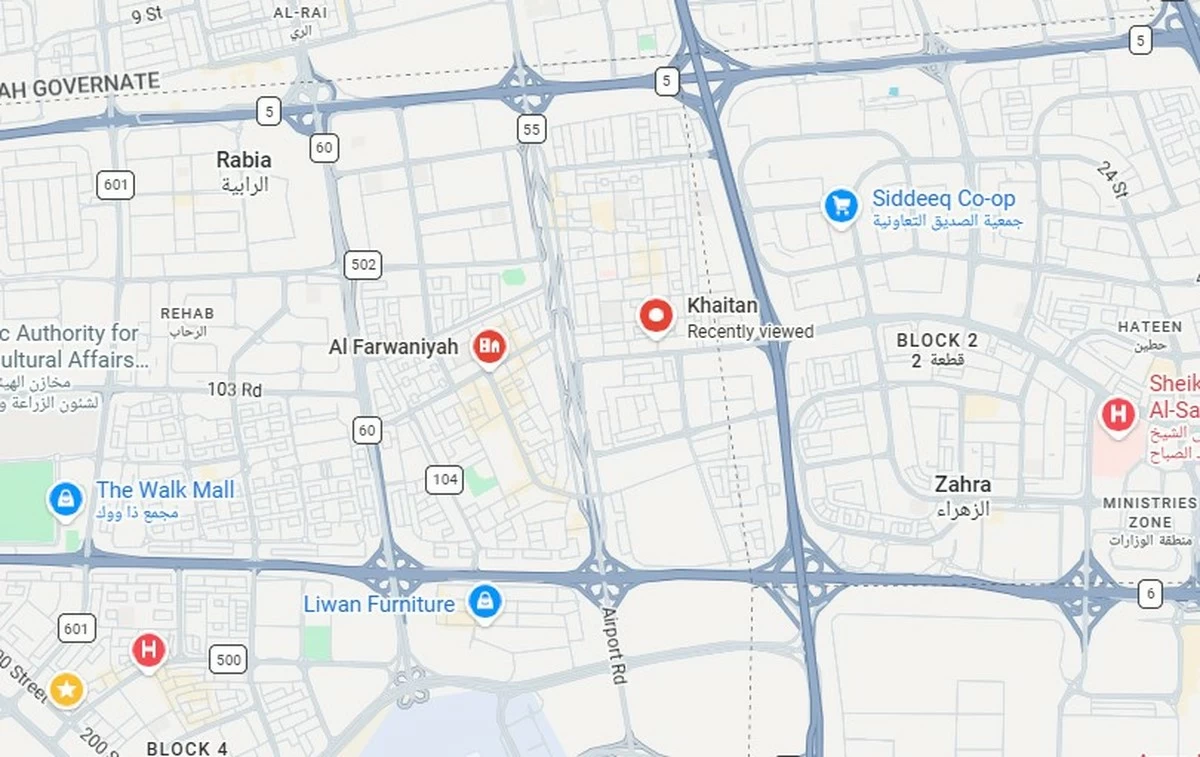
Among the most likely destinations are Farwaniya and Khaitan, which offer relatively affordable investment housing, easy access to major roads and proximity to different parts of Kuwait. Their housing stock and central locations have made them attractive alternatives for families and workers displaced by the Jleeb evacuation.
Official statistics from the Public Authority for Civil Information indicate that Jleeb Al-Shuyoukh had a population of approximately 280,000 before the evacuation, excluding people who may have been living in the area without official registration.
The scale of the population shift becomes clearer when compared with the neighboring areas. Farwaniya already has around 311,000 expats across six residential and administrative blocks, while Khaitan has approximately 191,000 expats distributed across 10 main residential blocks.
The former Jleeb population consisted broadly of families and workers. While many families have moved to larger residential areas, workers — particularly those who previously lived in shared accommodation — face greater difficulties finding affordable alternatives. Some have reportedly moved to other investment areas, including Riggae, Mahboula, Hawally and Salmiya.
The sudden increase in demand is also being reflected in the rental market.
A real estate statistic issued by a Kuwaiti bank showed that before the Jleeb evacuation, during the second quarter of the year, average apartment rents in Farwaniya ranged between KD 280 and KD 400, while rents in Khaitan ranged between KD 290 and KD 410.
Residents of the two areas have since reported rental increases of at least KD 20, attributing the rise to increased demand following the evacuation, particularly from August.
The evacuation campaign was launched primarily to address Jleeb’s long-standing demographic and security imbalance and remove encroachments that had persisted for decades. The operation represents a significant government effort to deal with an area that had become a major urban and security challenge.
However, authorities now face a second challenge: preventing the same problems from being transferred to other parts of Kuwait.
The concern is that uncontrolled movement into already densely populated investment areas could put additional pressure on housing, roads, electricity, water, sanitation and other public services. Farwaniya and Khaitan, in particular, could face further congestion if population growth is not accompanied by adequate infrastructure and housing planning.
The objective should therefore extend beyond simply evacuating Jleeb Al-Shuyoukh. Authorities must ensure that the relocation process does not create two new Jleebs in the heart of Kuwait’s investment areas.
The success of the Jleeb campaign will ultimately be measured not only by the evacuation of the area, but also by how effectively the government manages the demographic consequences and ensures that the problems eliminated from Jleeb do not re-emerge elsewhere.