


31/07/2026

Share:
31/07/2026
Share:

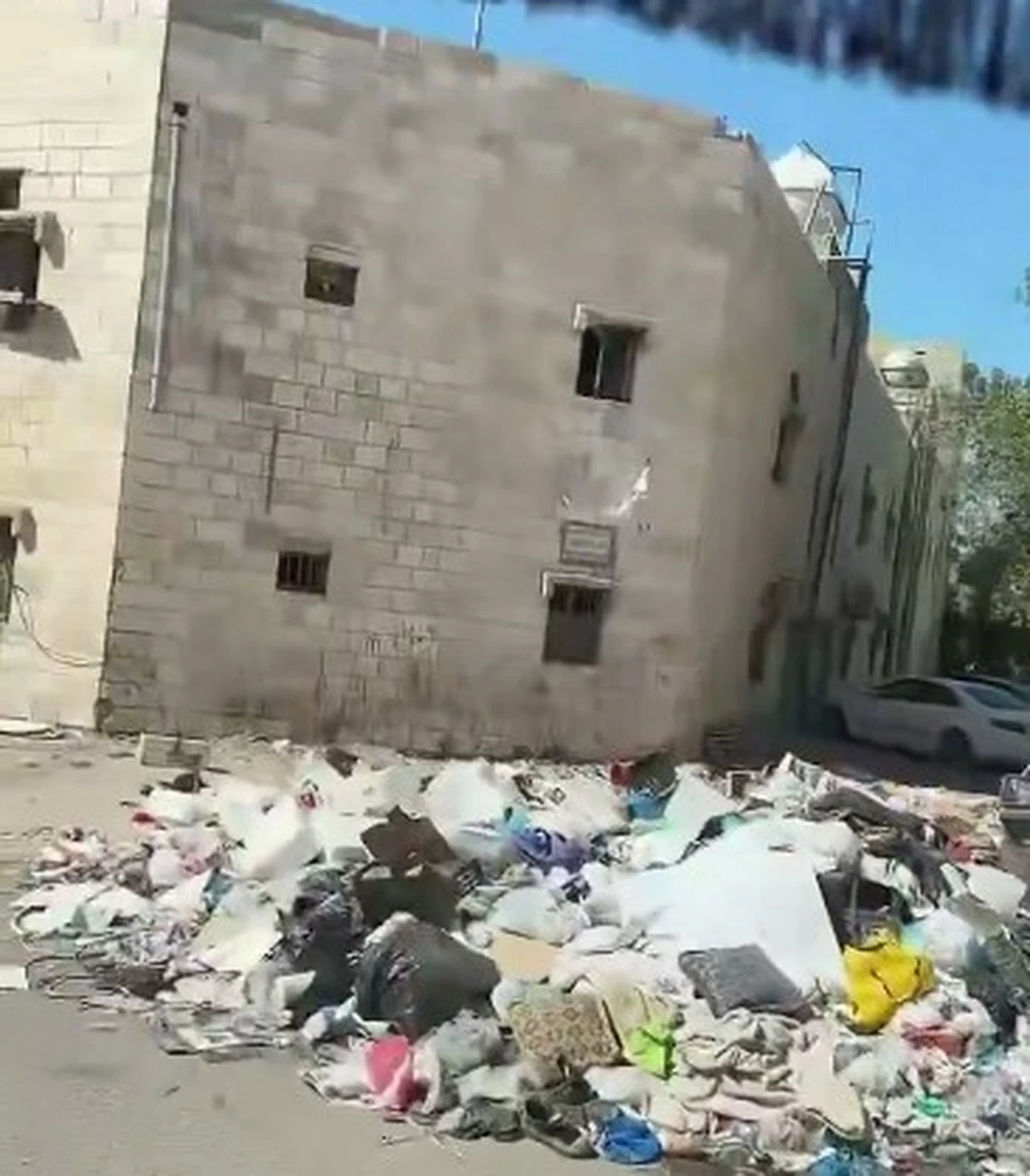
KUWAIT CITY, Jul 31: A quick video tour of the Al-Hasawi area of Jleeb Al-Shuyoukh following the enforcement of Kuwait’s regulations on violating residential buildings reveals a deeper problem than poorly maintained properties and power cuts.
For years, buildings in the area have been the subject of warnings over deteriorating conditions, overcrowding and violations that authorities considered a potential threat to the safety of residents. Notices were reportedly issued to building owners and caretakers over a period of nearly two years, demanding that the properties be brought into compliance.
Yet the warnings, according to information gathered locally, were not always communicated to the people actually living inside the buildings. Instead, some tenants continued to live in severely deteriorated and overcrowded accommodation, apparently unaware that the properties they were occupying had already been placed under scrutiny by the authorities. Building owners and caretakers allegedly kept the notices away from tenants, allowing the situation to continue.
The tenants, meanwhile, had their own reasons for staying.
Cheap accommodation has long been a major attraction for low-income expatriate workers in parts of Jleeb Al-Shuyoukh. With many expats trying to save as much of their income as possible and remit money to their families abroad, the condition of the building often became secondary to the cost of a bed or room.
That economic reality has contributed to a cycle of overcrowding, with multiple people sharing rooms and entire buildings operating far beyond what would be considered safe or acceptable occupancy levels.
The latest enforcement campaign has exposed the scale of the problem.
Authorities have moved against buildings that failed to comply with housing regulations, including properties that were poorly maintained and considered hazardous. Electricity and other utilities have been cut from some violating buildings as enforcement measures intensified, effectively forcing residents to leave.
The crackdown has not been limited to residential violations. Operations in the area have also uncovered numerous commercial and food-safety violations, resulting in the closure of hundreds of shops and other establishments, according to information from the ongoing campaign.
At the same time, authorities have taken steps to provide temporary shelter for residents displaced from buildings affected by the enforcement measures.
But the closure of one overcrowded building may simply be shifting the problem to another location.
Displaced expatriates have reportedly moved into neighboring areas, where similar overcrowding is emerging. According to sources familiar with the situation, rooms that are designed for far fewer occupants are now being used to house eight to 10 people.
In some cases, accommodation is reportedly being offered on a bed-by-bed basis, with each bed costing between KD 40 and KD 50 per month.
The result is a familiar pattern: residents pushed out of violating buildings relocate to nearby properties that may themselves be overcrowded, putting additional pressure on already densely populated neighborhoods.
The issue also raises questions about how such arrangements continue to operate despite years of warnings and repeated inspections.
Authorities are now reportedly tracking buildings suspected of violating Kuwait’s housing regulations, particularly those where occupancy levels exceed permitted limits or where living conditions pose risks to residents.
The developments in Jleeb Al-Shuyoukh highlight the difficult balance facing Kuwait’s authorities: enforcing housing, safety and public-health regulations while dealing with a large population of low-income expatriate workers who depend on affordable accommodation.
The enforcement campaign may have removed some of the most visibly dangerous buildings, but the movement of displaced expats into other overcrowded properties suggests that the overcrowding housing problem has not disappeared.