


14/03/2026

Share:
14/03/2026
Share:
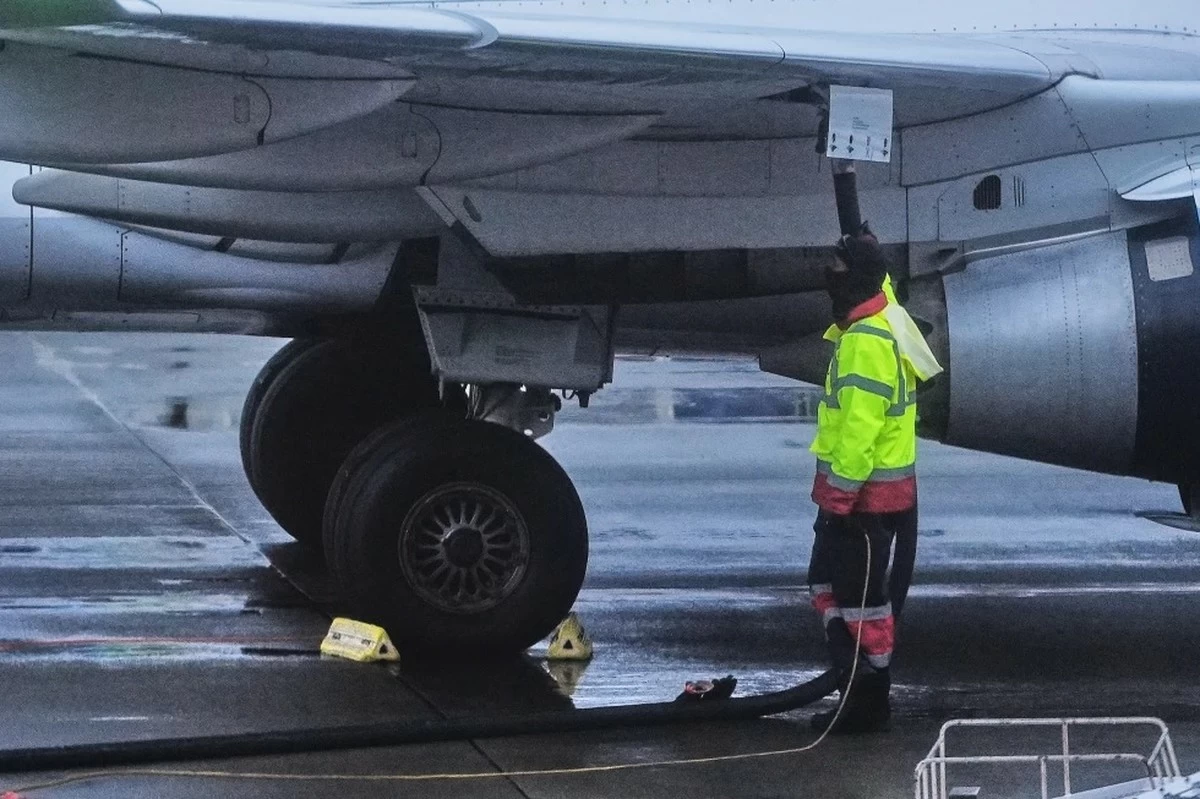

WASHINGTON, March 14, (AP): Jet fuel prices are rising as the war in the Middle East disrupts global oil supplies, putting cost pressure on airlines as the busy summer travel season approaches. Experts say it’s not a question of if airfares will go up, but when, for how long and by how much. The impact may be felt most on long-haul international routes, which burn significantly more fuel than shorter flights.
Some airlines outside of the US have announced fare increases or fuel surcharges in an effort to offset the growing expense. In the US, United Airlines CEO Scott Kirby recently warned that airfare increases will "probably start quick" as increasing fuel costs work their way through the industry. The war is constraining oil exports and prompting major producers like Kuwait, Saudi Arabia and Iraq to scale back output as shipments face growing obstacles.
Iran has attacked commercial ships across the Persian Gulf and targeted oil infrastructure in Gulf Arab nations following US and Israeli strikes. The attacks have effectively halted traffic through the Strait of Hormuz, a narrow passage that carries about one-fifth of the world’s oil supply. The volatile crude oil prices causing retail gasoline prices to swing up sharply have had the same effect on the price of jet fuel.
The average price in the US reached $3.99 per gallon on Friday, up from $2.50 the day before the war started two weeks ago, according to the Argus US Jet Fuel Index. The index tracks the average price airlines pay for jet fuel across major US airports. Figures from the US Department of Transportation’s Bureau of Transportation Statistics show that US airlines paid about $2.36 per gallon for fuel in January, the most recent data available.
Some airlines are partially protected from sudden price spikes through fuel hedging, a strategy that allows them to lock in fuel prices months or even years in advance. But not all airlines hedge, and those that do are usually only protected for a portion of their fuel needs, meaning prolonged price surges may cause more carriers to raise fares.
"No one hedges anymore, and even if you do, hedging the crack spread is really hard to do,” Kirby said at a Harvard event last week. The crack spread is the difference between the price of crude oil and the price of products produced from it, like gasoline. Another factor for airlines: Air space closures have required rerouting flights around parts of the Middle East, which can mean longer routes, additional fuel burn and higher operating costs. Travelers may feel the impact in several ways.