



21/04/2026

Share:
21/04/2026
Share:
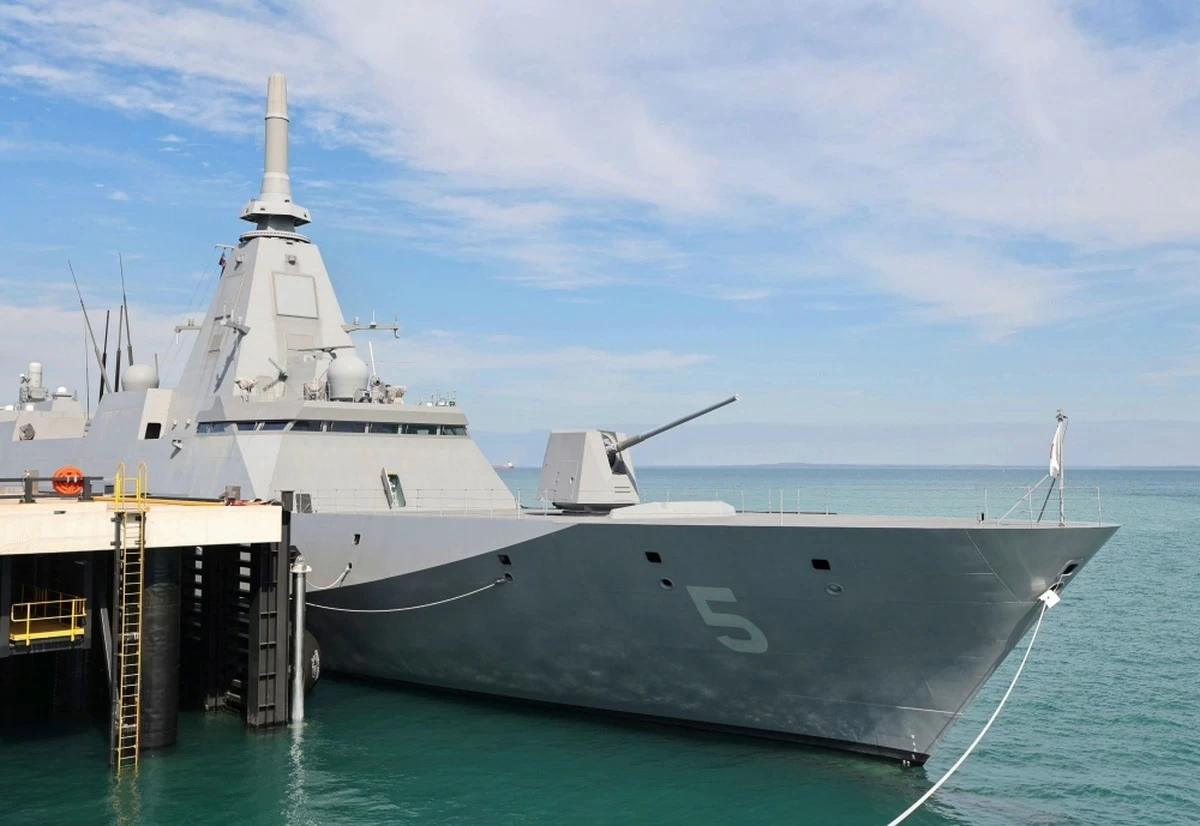

TOKYO, April 21, (AP): Japan on Tuesday scrapped a ban on lethal weapons exports, a major change in its postwar pacifist policy as the country seeks to build up its arms industry amid worries over Chinese and North Korean aggression. The approval by Prime Minister Sanae Takaichi’s Cabinet of the new guideline clears a final set of hurdles for many arms sales, including of Japanese-developed warships, combat drones and other weapons.
China criticized the change in policy, but it has been largely welcomed by Japanese defense partners like Australia and attracted interest from Southeast Asia and Europe. Opponents say the change violates Japan’s pacifist constitution and will increase global tensions and threaten the safety of the Japanese people.
The new policy will "ensure safety for Japan and further contribute to the peace and stability in the region and the international society as the security environment around our country rapidly changes,” Chief Cabinet Secretary Minoru Kihara told reporters. "The government will strategically promote defense equipment transfers to create a security environment that is desirable for Japan and to build up the industrial base that can support fighting resilience."
Japan has long prohibited most arms exports under its post-World War II pacifist constitution. It has made recent changes because of rising global and regional tensions, but exports were limited to five areas: rescue, transport, alerts, surveillance and minesweeping. The new guidelines scrap those limits and allows the export of equipment such as fighter jets, missiles and destroyers.
That's a major change from existing exports such as flak jackets, gas masks and civilian-use vehicles that Japan has sent to Ukraine and intelligence radars sold to the Philippines. For now, such exports will be limited to 17 countries that have signed defense equipment and technology transfer agreements with Japan.
They also must be approved by the National Security Council, and the government will monitor how the weapons are managed afterward. Japan remains committed to strict screening and export controls to third countries and will not offer lethal weapons to countries at war, officials said, but granted that exceptions could be made to that limit.