



31/07/2026

Share:
31/07/2026
Share:
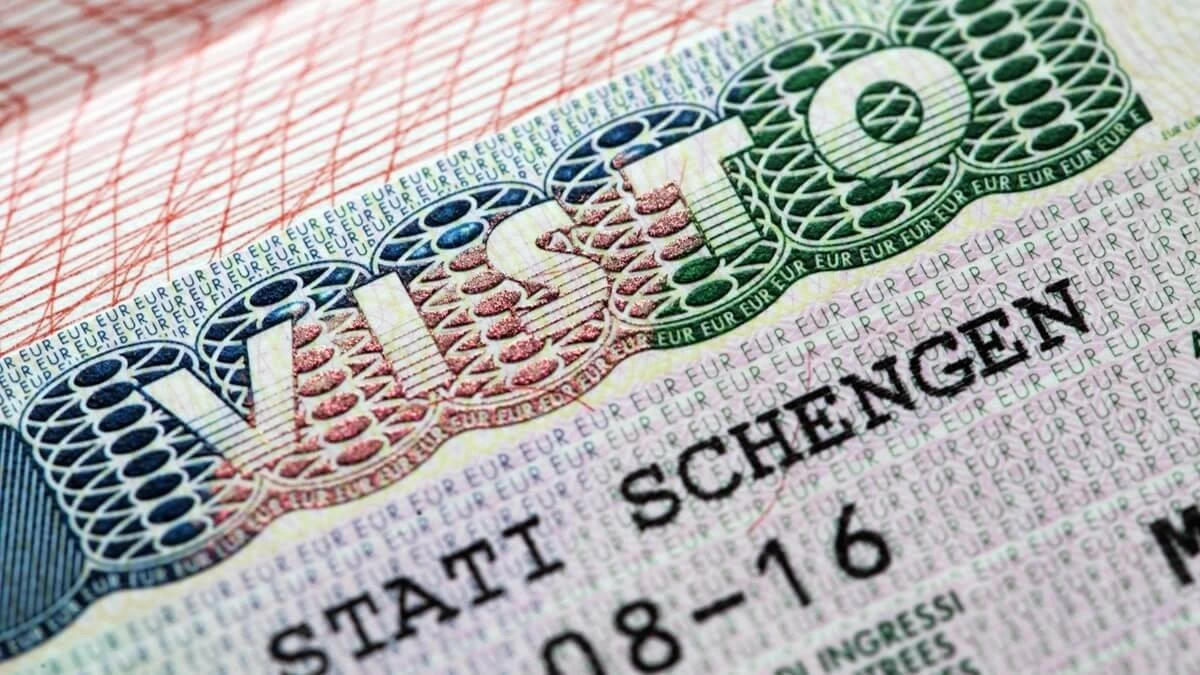

ROME, Jul 31: Italy has temporarily suspended the Schengen free-travel arrangement with Spain and introduced passport checks for passengers traveling between the two countries by air and sea, following the mass arrival of migrants in the Spanish enclave of Ceuta.
The decision, announced by Prime Minister Giorgia Meloni and Deputy Prime Ministers Antonio Tajani and Matteo Salvini, comes after more than 50,000 migrants crossed from Morocco into Ceuta in a sudden influx that has triggered a major security and humanitarian crisis.
Italy’s Interior Ministry formally approved the measure on Friday following a meeting chaired by Interior Minister Matteo Piantedosi and based on assessments by the Committee for Migration Analysis and Border Security. The temporary suspension is expected to last one month.
Although Italy does not share a land border with Spain, the measure means travelers moving between the two countries by plane or ship will face passport checks. Italy has described the step as a temporary reintroduction of border controls rather than a complete closure of travel links.
“The temporary suspension of Schengen with Spain is a necessary choice to safeguard the security of our citizens and defend the European borders,” Tajani wrote on X.
He said the Ceuta crisis demonstrated that managing the European Union’s external borders was a shared responsibility among member states.
“We must work together to prevent uncontrolled migrant flows from entering EU territory, with all the consequent risks and the threat of terrorism, which must be countered without hesitation,” Tajani said.
The Italian move followed the dramatic influx into Ceuta, where Spanish authorities said around 50,000 migrants had crossed from Morocco, while local authorities have put the figure closer to 60,000. A large number have since returned voluntarily to Morocco.
Spain’s Interior Ministry said tens of thousands of migrants had already returned to Morocco as authorities worked to restore order in the enclave. The crisis has also resulted in a significant death toll, with Spanish authorities reporting at least 57 deaths linked to the mass movement of migrants.
Italy has also coordinated with France to strengthen controls along the Franco-Italian border in an effort to prevent undocumented migrants from moving onward through Europe. French President Emmanuel Macron announced that France would reinforce controls along its border with Spain while offering assistance to Spanish authorities dealing with the crisis.
The extraordinary measures have raised tensions within the European Union as governments respond to the sudden surge in migration at Ceuta, while Spain and Morocco continue efforts to manage returns and prevent further crossings.
The Schengen rules allow member states to temporarily reintroduce internal border controls in response to serious threats to public security or other exceptional circumstances. Italy has framed its action as a necessary security measure prompted by the scale of the Ceuta crisis.