


29/10/2026

Share:
29/10/2026
Share:
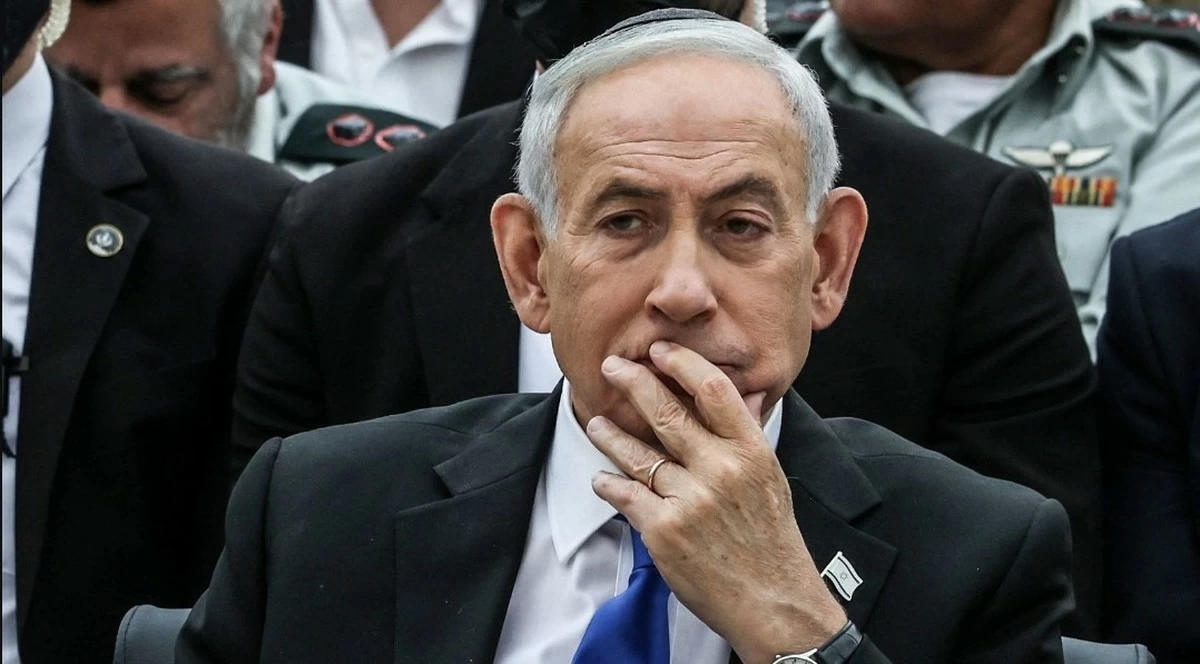

JERUSALEM, Oct 29: Israeli police have found no evidence to substantiate election fraud allegations made by Prime Minister Benjamin Netanyahu’s Likud party, while the Central Elections Committee has reported no current grounds for concern over the integrity of the vote, Israel Hayom reported late Wednesday.
Citing unnamed sources, the newspaper said the committee’s assessment contradicted Likud’s claims of fraud at polling stations in Arab communities. Police likewise found no evidence supporting the allegations, according to the report.
Earlier Wednesday, Likud accused Arab parties of having “stolen” the election through bribery, intimidation, violence, forgery and the use of prohibited software to mobilize voters.
The party also accused the Arab parties of supporting terrorism and seeking the destruction of the Jewish state.
Likud said it was submitting “hundreds of testimonies and pieces of evidence” to the police, the Shin Bet domestic security agency and the Central Elections Committee, demanding an investigation into the alleged violations.
The committee confirmed receiving the complaint and said it was examining it as part of its routine review of election-integrity complaints submitted by political parties.
The allegations emerged as the predominantly Arab parties, Ra’am and the Joint List, were projected to win a combined record 19 seats, complicating efforts by both Netanyahu’s bloc and its main rival to secure a parliamentary majority.
On Tuesday, the Central Elections Committee said there were no indications of systematic ballot tampering and that individual reports were being addressed promptly, according to The Times of Israel.
With nearly 90% of the votes counted, Netanyahu’s bloc was projected to secure 53 seats in the 120-member Knesset, compared with 48 seats for the bloc led by Yashar party leader Gadi Eisenkot.
Neither bloc had reached the 61 seats required for a parliamentary majority.
The results remained provisional, with hundreds of thousands of so-called double-envelope ballots still awaiting counting. These include votes cast by soldiers and diplomats, which are counted separately under Israel’s electoral procedures.
The final distribution of seats and the prospects for forming a governing coalition therefore remained uncertain as the counting continued.