


04/11/2026

Share:
04/11/2026
Share:
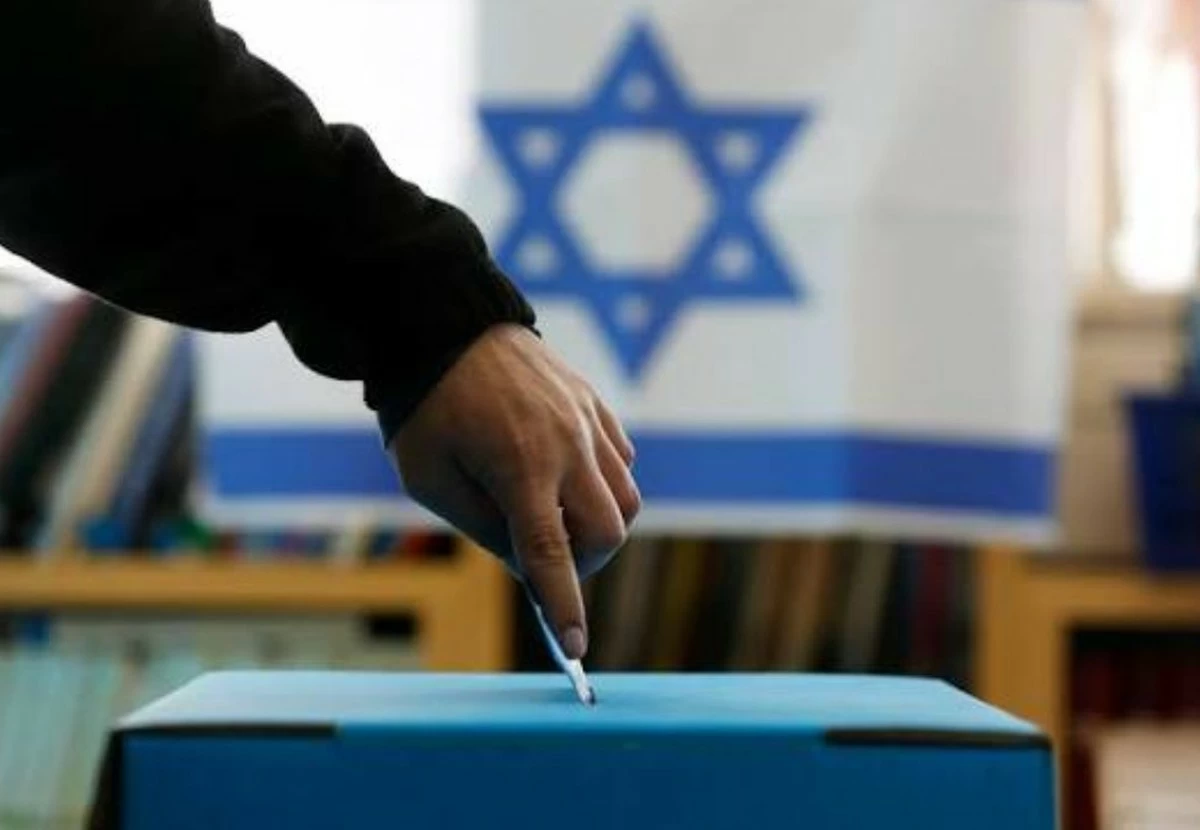

JERUSALEM, Nov 4: Israel's Central Elections Committee approved the final results of last week's parliamentary election on Wednesday after reviewing allegations of fraud and voting irregularities that had been raised by Prime Minister Benjamin Netanyahu and parties in his right-wing bloc.
The committee said its review found no evidence of irregularities that compromised the integrity of the election or affected its results.
The decision came as a separate investigation into allegations of possible foreign interference in the election remained ongoing.
Central Elections Committee Chairman and Supreme Court Justice Noam Sohlberg had previously stressed that, while suspicions about aspects of the electoral process were under investigation, they did not cast doubt on the election as a whole.
Election officials said they had examined complaints and allegations individually and thoroughly but found no evidence to support claims that the overall election results were invalid.
The committee said the final results accurately reflected Israeli voters' choices at the ballot box.
The controversy erupted after Netanyahu and his supporters alleged that Arab-led parties had manipulated or “stolen” the election, following a sharp increase in Arab voter turnout and significant gains by Arab parties.
However, election authorities and police found no evidence of widespread or systematic fraud affecting the results.
A separate Shin Bet investigation into suspected foreign interference and possible unlawful funding is ongoing. Election officials have stressed that the investigation is separate from the vote-counting process and, based on the information currently available, does not undermine the overall validity of the election results.
The ratified results will now be formally submitted to President Isaac Herzog, who is expected to begin consultations with the leaders of the parties elected to the Knesset before selecting a candidate to attempt to form Israel's next government.
The election has left Israel facing a complex political deadlock, with neither Netanyahu's bloc nor the opposition bloc led by Gadi Eisenkot securing the parliamentary majority needed to form a government on its own.
The outcome could lead to weeks of coalition negotiations and potentially require cooperation across traditional political d