


17/08/2026

Share:
17/08/2026
Share:

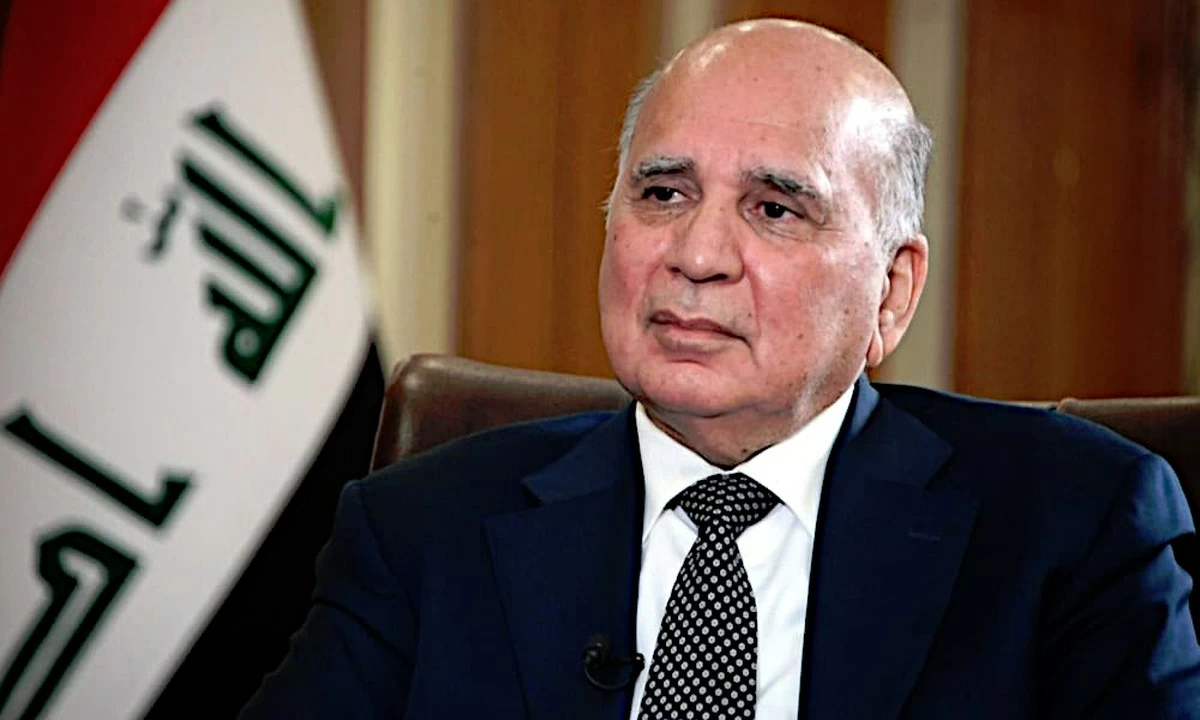
Iraqi Foreign Minister Fuad Hussein
BAGHDAD, Aug. 17: Iraq has demanded an official explanation from Tehran following a drone attack targeting the residence and private office of Kurdistan Regional Government (KRG) Prime Minister Masrour Barzani in Erbil, while the United States condemned the attack as a threat to regional stability.
Iraqi Foreign Minister Fuad Hussein raised the incident with his Iranian counterpart Abbas Araghchi during a phone call on Monday, according to Iraq’s Foreign Ministry.
The ministry said the attack involved Hadid-110 drones. Hussein condemned what he described as an “unjustified attack,” saying the targeting of the KRG premier’s residence represented a “dangerous precedent” that could escalate tensions and threaten regional stability.
Hussein called on Tehran to issue an official statement clarifying its position and identifying those responsible for the attack.
Araghchi expressed surprise over the incident and said he had no information indicating that the drones had been launched from Iranian territory, according to the Iraqi statement. He said there was “no justification” for such an attack given the strong relations between Iran and the KRG.
Araghchi also said Tehran rejected any action that could fuel escalation or destabilize the region and promised to issue an official statement on the incident.
US Condemns Attack
Meanwhile, U.S. Ambassador Tom Barrack condemned the attack on Barzani and his office in Erbil, calling it a “direct threat to regional stability.”
“Such aggression against our trusted Kurdish allies is unacceptable,” Barrack said in a post on X. “We will not condone or tolerate these hostilities.”
Kurdish authorities have separately blamed Iran for the attack, while Tehran has questioned whether the incident could have been a false-flag operation intended to create tensions between Iran and its neighbors.
The incident comes amid heightened regional tensions and growing concerns over attacks involving Iran, Iraq and Kurdish areas.
What Exactly Happened
Iraq witnessed a series of significant security developments on Monday, including a drone attack targeting the private office of Kurdistan Regional Government Prime Minister Masrour Barzani in Erbil and reports of an alleged plot to assassinate the president of Iraq’s Supreme Judicial Council.
Iraq witnessed a series of significant security developments on Monday, including a drone attack targeting the private office of Kurdistan Regional Government Prime Minister Masrour Barzani in Erbil and reports of an alleged plot to assassinate the president of Iraq’s Supreme Judicial Council.
Two explosive-laden drones targeted Barzani’s private office in the Birmam area as well as the residence of the head of the Kurdistan Region’s security and intelligence apparatus. No casualties were reported.
The Kurdistan Region’s Counter-Terrorism Agency said the drones were Hadid-110 models and were launched from Iranian territory. No group has claimed responsibility for the attack.
Barzani described the incident as a dangerous escalation and a direct threat to the security and stability of the Kurdistan Region.
Following the attack, Iraqi Prime Minister Mohammed Shia al-Sudani ordered the formation of a committee to investigate the targeting of Barzani’s office and the intelligence official’s residence. The committee was instructed to announce its findings and identify those responsible.
Iran Rejects Responsibility
Iranian Foreign Minister Abbas Araghchi condemned the attack, saying there was no justification for it and warning against attempts to create divisions between Iran and the Kurds.
Iranian media, meanwhile, reported that Tehran denied responsibility for the attack and suggested it could have been a “false flag operation” intended to create tensions between Iran and the Kurdistan Region.
The conflicting accounts have added to tensions surrounding the incident, with Kurdish authorities maintaining that the drones were launched from Iranian territory.
Security Alert in Baghdad
Separately, Iraqi sources reported intelligence information concerning an alleged plot to assassinate Faik Zidan, president of Iraq’s Supreme Judicial Council. Security measures around Zidan have reportedly been tightened following the information.
An Iraqi security source also reported the arrest of the director of Baghdad Belt intelligence within the Popular Mobilization Forces and Abbas Hussein, an official in the reconnaissance unit of Harakat al-Nujaba, as part of ongoing security investigations.
The developments have heightened security concerns in both Baghdad and the Kurdistan Region, amid continued regional tensions and allegations involving armed groups and foreign actors.