


24/08/2026

Share:
24/08/2026
Share:

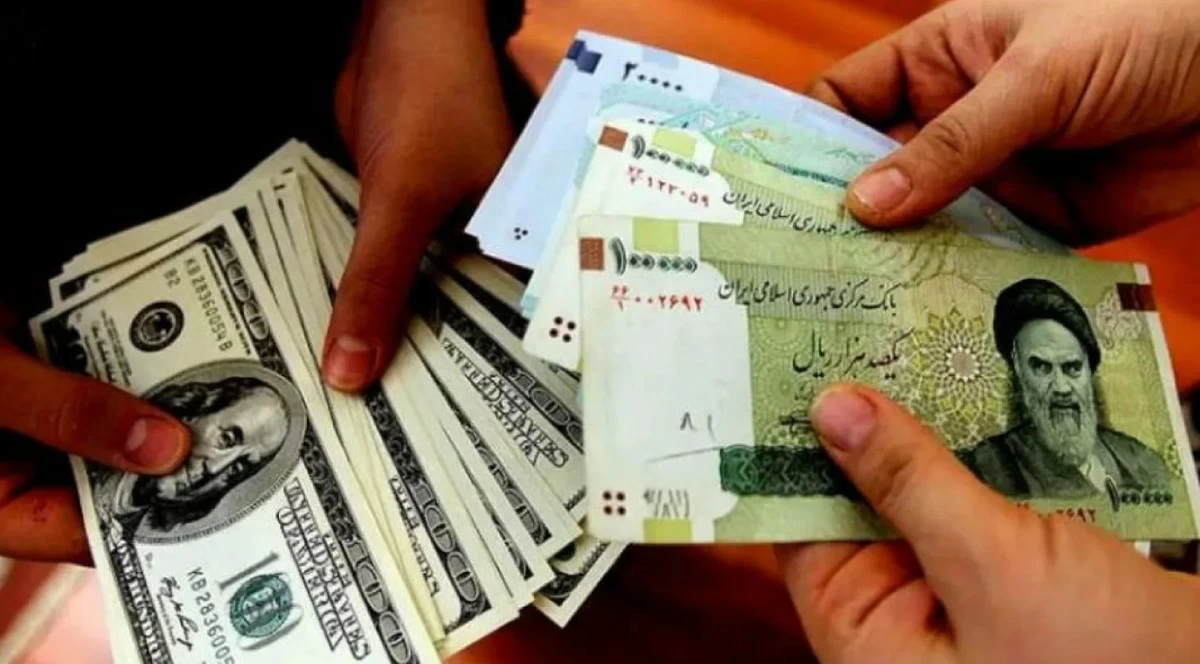
DUBAI, Aug 24: Iran’s rial fell to a new record low against the US dollar on Monday, dropping to around 2.02 million rials per dollar on informal markets as Tehran braced for a new wave of US economic sanctions and Iranian officials vowed to resist pressure from Washington.
The latest decline comes as the United States prepares to announce what Treasury Secretary Scott Bessent has described as an “economic D-Day” — a sweeping new sanctions campaign targeting Iran and countries and entities that continue doing business with Tehran. Washington has described the measures as one of its most extensive financial offensives against an adversary.
The rial had already been under severe pressure because of prolonged sanctions, double-digit inflation and weak economic growth. Its latest plunge has come amid months of conflict, further sanctions pressure and restrictions affecting Iran’s oil exports and access to international financial markets.
The currency’s collapse has added to the economic difficulties facing ordinary Iranians, with the weakening rial increasing the cost of imported goods and putting further pressure on household purchasing power.
Tehran vows to resist pressureDespite the growing economic pressure, Iran’s Foreign Ministry spokesman Esmaeil Baghaei said Monday that Tehran would not accept an end to the conflict on terms dictated by what he called the “aggressor.”
Baghaei described the US naval blockade as an “act of aggression” and said Iran was not powerless to respond.
“We neither started this war nor sought it, and we used every available means to prevent it,” Baghaei said, according to the Iranian Foreign Ministry.
He added that no official in the Islamic Republic was prepared to accept what he described as excessive demands from Iran’s adversaries.
Baghaei also accused Washington of contradicting its stated claim that it wanted to help the Iranian people, saying the United States was instead using every available means to put additional pressure on Iran.
His comments came as tensions between Washington and Tehran continued to rise, with Iran warning that further economic pressure could trigger retaliation against regional energy supplies. Tehran has separately threatened to halt oil exports from the Gulf if what it calls an economic war continues.
The standoff has also heightened concerns over the Strait of Hormuz, a critical global energy route. Commercial shipping through the waterway has already been disrupted, while the United States has been enforcing a naval blockade against Iran.
With the rial hitting another historic low and Washington preparing additional sanctions, Iran faces mounting economic pressure even as its leadership continues to reject demands from the United States and insists it will not allow the conflict to end on terms imposed by its adversaries.