



17/05/2026

Share:
17/05/2026
Share:

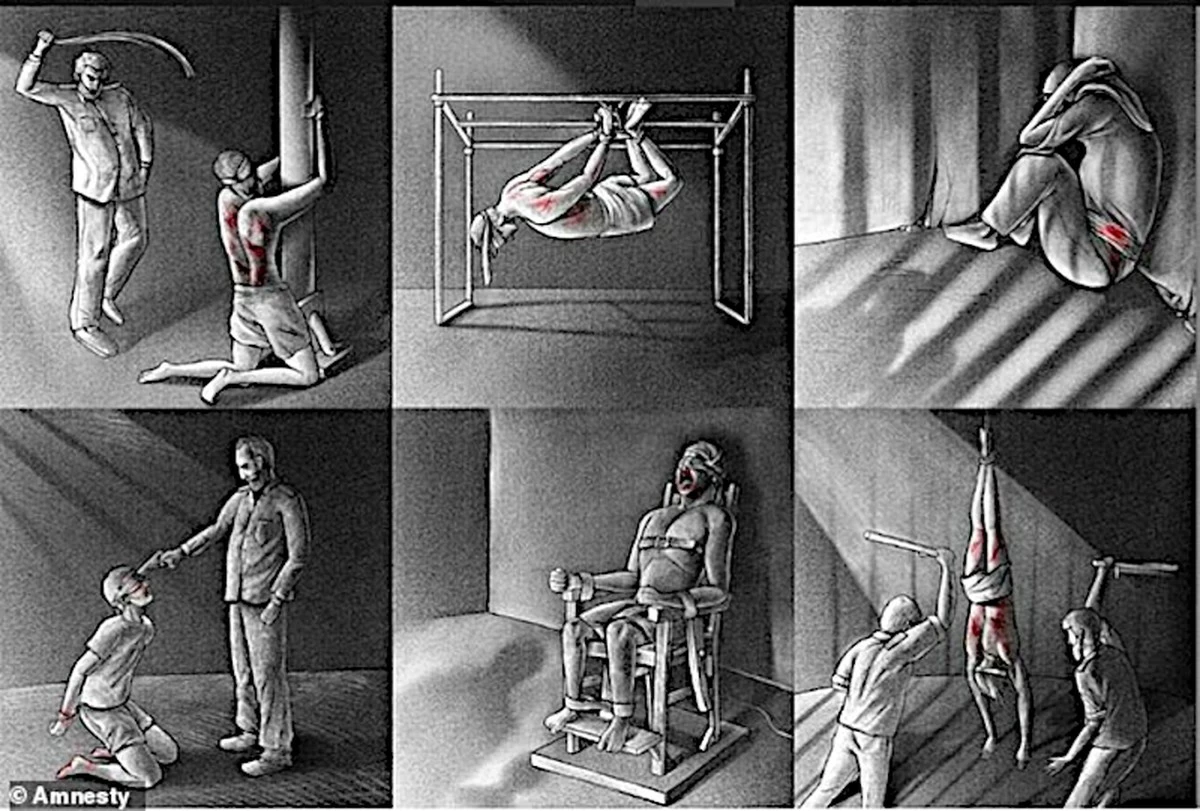
TEHRAN, May 17: A growing body of testimony from inside Iran’s prison system is exposing a grim reality: detainees are subjected not only to brutality but to systematic sexual violence designed to break them.
Survivors, rights groups and investigators describe a pattern that goes beyond repression — one that weaponises rape, humiliation and psychological torture to silence dissent.
One former detainee, identified as Mina, recounted a harrowing interrogation inside a notorious prison. She said interrogators beat her with a Koran until her nose bled, while subjecting her to sexual harassment and threats against her family.
“They told me they would bring my 12-year-old son and force him to rape me,” she said. “Then I would confess on television.”
Her account is not isolated.
A recent Amnesty International report warned that thousands of detainees — including children — face sexual violence at the hands of security forces. Some victims are as young as 12.
A Pattern Decades in the MakingEvidence suggests these abuses are not new, but part of a decades-long system.
Former political prisoners and researchers have documented cases dating back to the 1980s, including testimonies of minors tortured and raped inside detention centres. One survivor described being ordered to assault a fellow prisoner — and then being raped himself when he refused.
More recent cases indicate the same methods persist.
In January 2026, two nurses who treated wounded protesters were reportedly abducted and gang-raped by security agents. One suffered catastrophic internal injuries requiring major surgery and was allegedly forced to sign documents blaming “rioters” for her abuse.
Another victim, according to reports, was left so traumatised she begged doctors to let her die.
Violence as a Tool of ControlHuman rights organisations say sexual violence has become a deliberate tool of repression.
During the 2022 protests sparked by Mahsa Amini’s death, Amnesty documented dozens of cases involving rape, gang rape, electric shocks and torture. Victims included men, women and children.
One survivor described being assaulted inside a police van after being beaten unconscious. Another said her attackers mocked her during the assault, framing it as punishment for seeking “freedom”.
In some areas, families reportedly warned daughters to take contraceptive pills before attending protests — a chilling reflection of what detainees feared awaited them.
“They Want You to Break”Former prisoners consistently describe an atmosphere of calculated psychological terror.
“You hear people screaming, begging,” said Shabnam Madadzadeh, who spent years in detention. “Sometimes you think it’s your family. They want you to hear it. They want you to break.”
Cells are overcrowded, lights are never switched off, and detainees are blindfolded even for basic tasks. Interrogations can stretch for hundreds of hours, often accompanied by threats of rape or death.
Some prisoners say guards enabled assaults by other inmates, allegedly supplying condoms and turning a blind eye.
Children Among the VictimsParticularly disturbing are accounts involving minors.
Reports detail boys subjected to electric shocks to their genitals, beatings, and sexual assault. In one case, a mother said her son was raped with a hosepipe while in custody.
Victims say threats often continue after release — warning that speaking out could lead to worse abuse or death.
Mounting International AlarmUN investigators and human rights groups say the evidence points to a systematic strategy: using sexual violence to humiliate, extract confessions and crush resistance.
Despite mounting documentation — including reports of gang rape and forced nudity during the 2022 crackdown — accountability remains elusive.
In 2024, female prisoners in Tehran’s Evin Prison issued a rare open letter demanding an end to sexual harassment and abuse.
Their appeal underscores a reality survivors have long described: inside Iran’s detention system, violence is not incidental — it is institutional.