


07/03/2026

Share:
07/03/2026
Share:
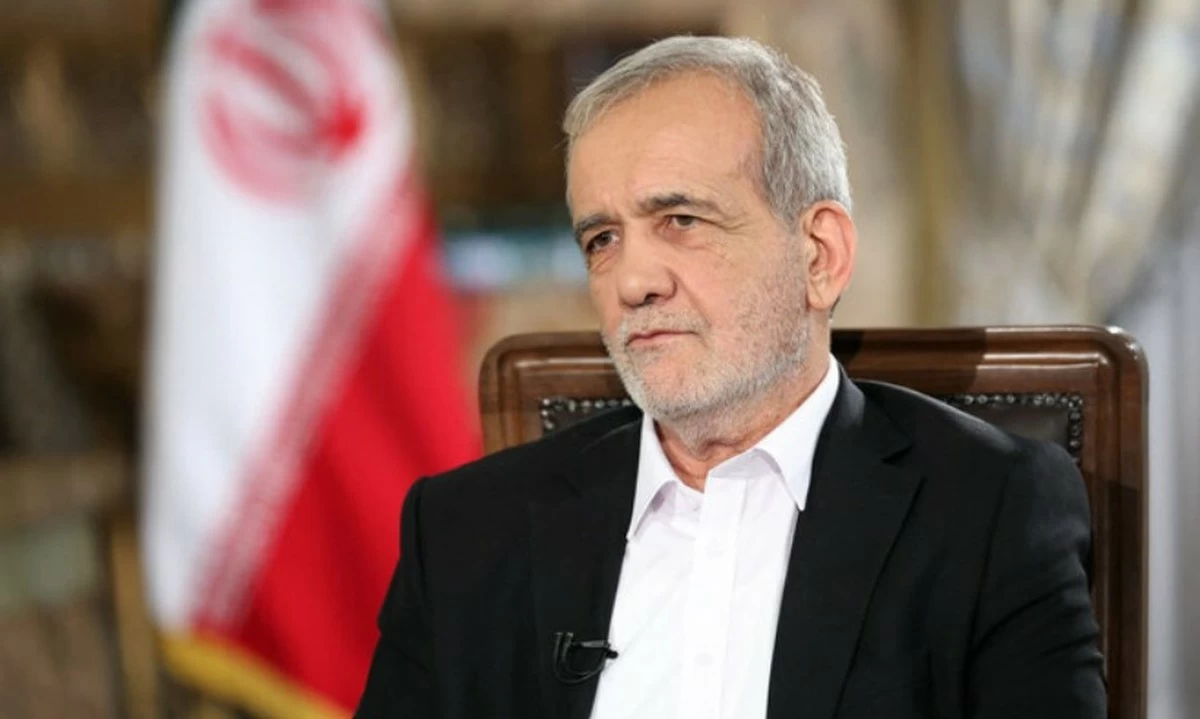

TEHRAN, Mar 7: Masoud Pezeshkian, president of Iran, has apologized to neighboring Gulf countries following recent missile and drone attacks, saying Tehran should resolve tensions through diplomacy rather than military action.
In a prerecorded address aired on state television on Saturday, Pezeshkian acknowledged the attacks and offered an apology to regional nations targeted during the escalation.
“I should apologize to the neighboring countries that were attacked by Iran, on my own behalf,” the president said in his televised remarks.
Pezeshkian suggested that a miscommunication within military ranks may have contributed to the strikes and said Iran’s leadership was working to prevent further incidents. He added that the country’s three-member leadership council had been in contact with the armed forces regarding the attacks.
The Iranian president indicated that future military action against neighboring countries would not occur unless Iran itself came under attack.
“From now on, they should not attack neighboring countries or fire missiles at them, unless we are attacked by those countries,” he said, calling instead for diplomatic solutions to the crisis.
His remarks came after a series of reported Iranian strikes early Saturday targeting several Gulf states, including Bahrain, Saudi Arabia and the United Arab Emirates, amid heightened regional tensions.
The developments have raised concerns across the Gulf as countries continue to monitor the evolving security situation.