



18/06/2026

Share:
18/06/2026
Share:
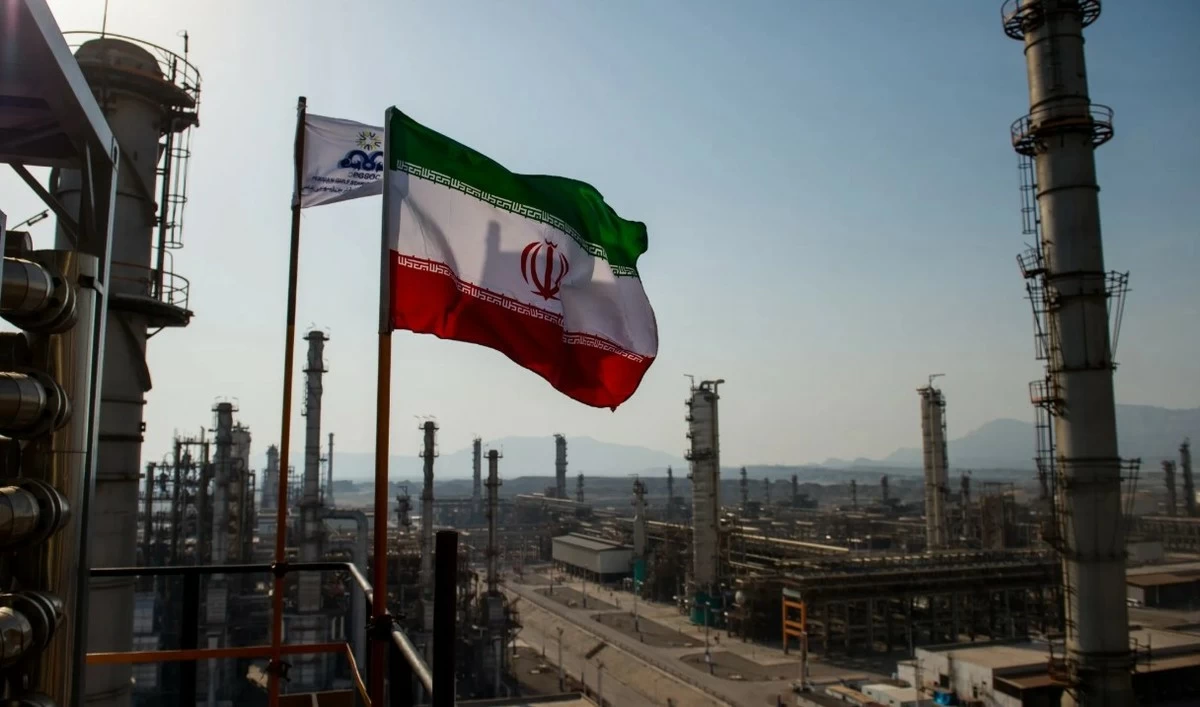

Oil expert and analyst Kamel Al-Harmi stated that the end of the US-Iran conflict and the resulting agreement to lift economic sanctions, including restrictions on oil exports, will influence oil prices within the OPEC+. He predicted that oil prices could increase to around $90 per barrel when global storage facilities are replenished after the reopening of the Strait of Hormuz, especially since global demand for oil remains strong. He was quick to add though that once the storage tanks reach capacity, prices are expected to decline to about $75 to $80 per barrel. He pointed out that prices could regain momentum with the onset of the US summer season and an improvement in global aviation fuel demand. He added that prices could rise again after August with the start of winter, when heating fuel consumption typically increases. He revealed that Iran currently produces about four million barrels of oil per day and around two million barrels of which are consumed domestically while the other two million barrels are exported. “As a result, this production volume is expected to affect the global oil market and OPEC+ may ask member countries to reduce their production quotas in order to maintain price stability, as the case in recent years,” he explained. He also expressed regret that Kuwaiti oil did not benefit from the temporary price gains during the conflict, as Kuwaiti oil exports were suspended. He said oil prices resumed their downward trend once political relations between Washington and Tehran improved, falling below $90 per barrel recently.
Economist Ahmed Al-Sadhan thinks that the return of Iran to the oil market is a challenge not only because it could increase global supply, but also because it could alter the balance of power within the international energy market, considering it owns one of the largest oil reserves in the world. He clarified that if sanctions are lifted or eased, Tehran could increase production by hundreds of thousands of barrels per day – and even by more than one million barrels per day within a short period – by relying on its existing oil infrastructure and its ability to quickly regain lost market share. Asked about the impact on Gulf countries, he stated that the consequences could extend beyond lower oil prices to include the reduced ability to influence market conditions through production alliances, such as OPEC+. He pointed out that the influx of significant volumes of Iranian oil could force Gulf producers to reduce their own production levels in order to maintain price stability, resulting in the loss of part of their market share. He added the international companies that withdrew from Iran due to sanctions may return and invest in the country once restrictions are eased, thus, creating opportunities for Tehran to modernize its oil and gas fields and expand production in the long term. He said such developments could position Iran as a stronger competitor in Asian markets, which are the primary destinations for most Gulf oil exports.
“Accordingly, the return of Iranian oil to the international market should not be viewed merely as an economic issue related to supply and demand. Rather, it is a strategic shift that could influence the economic and political balance of power in the Gulf and the Middle East for years to come,” he elaborated. Hajjaj Boukhadour, former official at the Arab Shipping Company and an oil expert, stated that the restoration of Iran’s quota within OPEC+ could have repercussions on the quotas of other member countries, particularly those that absorbed the share of Iran during the sanctions period. He said oil prices could decline by about 50 percent once the quota of Iran is fully restored and the Strait of Hormuz is completely reopened. He indicated that such a decline in oil prices will affect countries with high production costs, including US oil producers, where the cost of extracting a barrel can reach around $30. “Consequently, the Gulf oil-producing countries could benefit from the pressure that lower prices will put on highercost producers,” he added.