


27/04/2026

Share:
27/04/2026
Share:

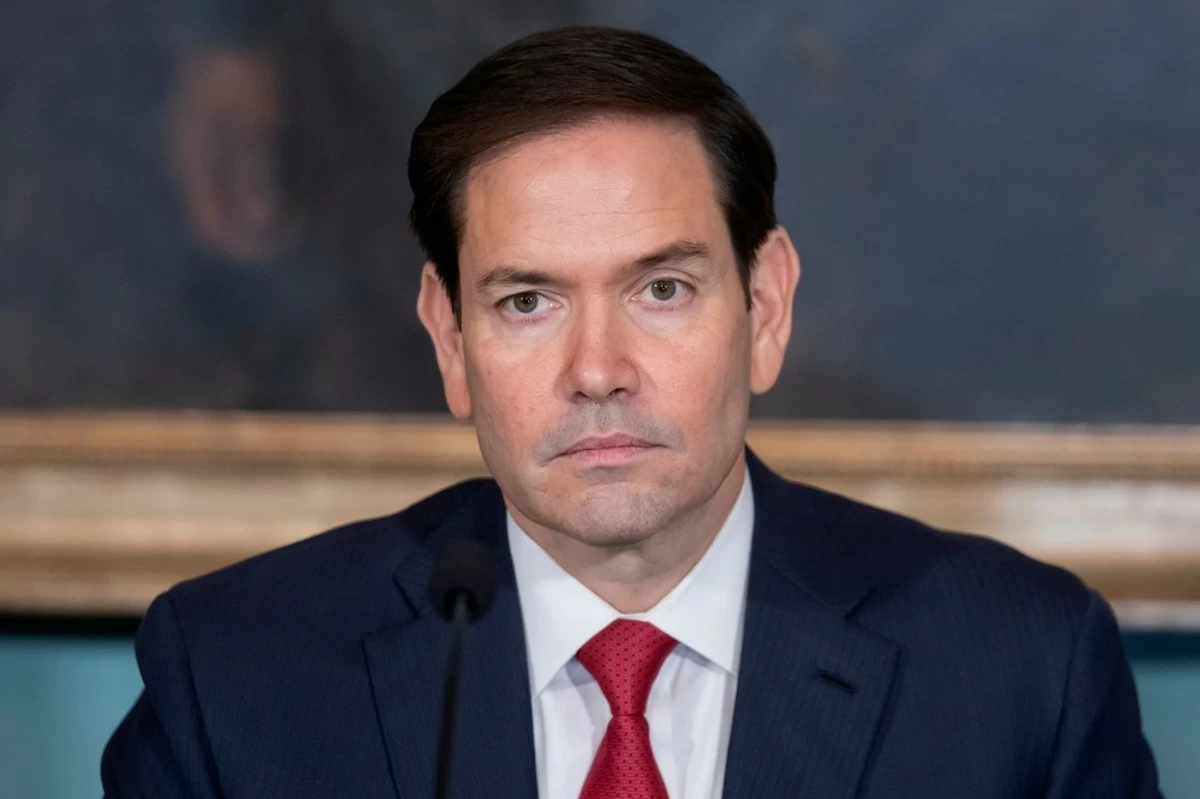
US Secretary of State Marco Rubio
WASHINGTON, Apr 27: Marco Rubio said internal divisions within Iran’s leadership and the dominance of hardline clerics remain major obstacles to reaching a diplomatic agreement with Tehran.
Speaking in an interview with Fox News, Rubio described Iran’s political system as being “run by radical Shia clerics,” arguing that deepening fractures within its leadership have made negotiations increasingly complex.
He dismissed the distinction between moderates and hardliners, saying “they’re all hardliners,” but acknowledged the existence of competing factions with differing priorities. According to Rubio, one group—including political figures such as the president, foreign minister, and parliament speaker—focuses on managing the economy and governance.
In contrast, he said more ideologically driven elements, particularly within the Islamic Revolutionary Guard Corps and circles close to the supreme leader Ali Khamenei, are guided primarily by theological considerations and wield greater influence.
“The hardliners that are motivated by theology have the ultimate power in that country,” Rubio said, describing a long-standing tension between pragmatic governance and ideological control.
He added that the divide appears to be widening, pointing to uncertainty surrounding Khamenei, whose limited public presence has raised questions about authority and decision-making within the system.
Rubio said the fragmented power structure complicates diplomacy, noting that US negotiators must effectively engage with multiple centers of authority within Iran.
“Our negotiators aren’t just negotiating with the Iranians,” he said. “Those Iranians then have to negotiate with other Iranians” before reaching a final position.