



13/09/2026

Share:
13/09/2026
Share:

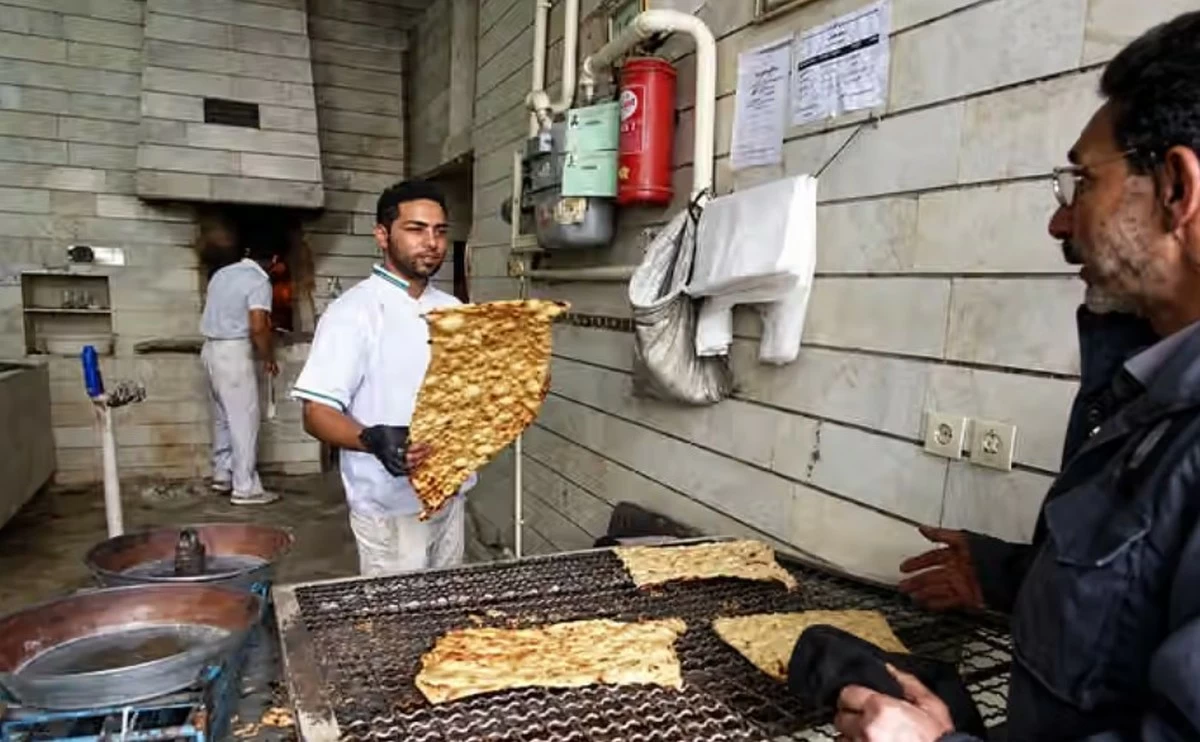
Rising prices have led some customers to buy bread on credit, and some buy half flat bread
TEHRAN, Sept 13: Iranians are increasingly struggling to afford basic food, with residents seeking to buy groceries, meat and even bread on credit while people in parts of Tehran queue for chicken scraps, according to a report by Iran’s labor-focused ILNA news agency.
The report described worsening economic hardship in southern districts of the capital, where shopkeepers said customers are increasingly asking to delay payments because they cannot afford rising food prices.
Many shopkeepers, however, are no longer able to extend credit as the cost of replacing their stocks continues to rise. Signs asking customers not to request purchases on credit have become increasingly common in shops.
“You sell something today and its price goes up tomorrow. There is no money left to replenish the stock,” a supermarket owner told ILNA, saying many customers ask for credit but leave without buying anything when he is unable to accommodate them.
Bakeries are also receiving requests for bread on credit, with one baker saying some customers have been unable to repay what they owe. He said he continues to provide bread on credit because of their financial circumstances.
Butchers reported similar difficulties. One butcher said requests for credit had increased sharply, adding that while he did not want to turn people away empty-handed, some previous credit sales had never been repaid.
Rising prices hit everyday expenses
Iran International also reported that hundreds of people have described difficulties managing their expenses as prices continue to change rapidly.
One person said 15 eggs and a small container of yogurt cost 5.5 million rials.
Iran’s basic monthly minimum wage for the current Iranian year is about 166 million rials, equivalent to roughly $70 at the exchange rate cited in the report.
Another person said a brand of canned tuna increased from 1.7 million rials to 2.5 million rials within a month before rising again to 2.9 million rials within weeks.
Households are also facing increasing education and transportation costs.
One person said a school bag now costs 20 million rials, while the cost of food for children and English-language classes had also become difficult to manage.
A 19-year-old earning 150 million rials a month said tuition at Azad University in Kermanshah had reached 250 million rials per semester, raising questions about how he could continue his studies.
Transportation costs are also adding to the pressure. One person said routine monthly servicing of a pickup truck cost 45 million rials, while a retiree receiving the minimum pension said rising living costs had made it increasingly difficult to meet the needs of his three daughters.
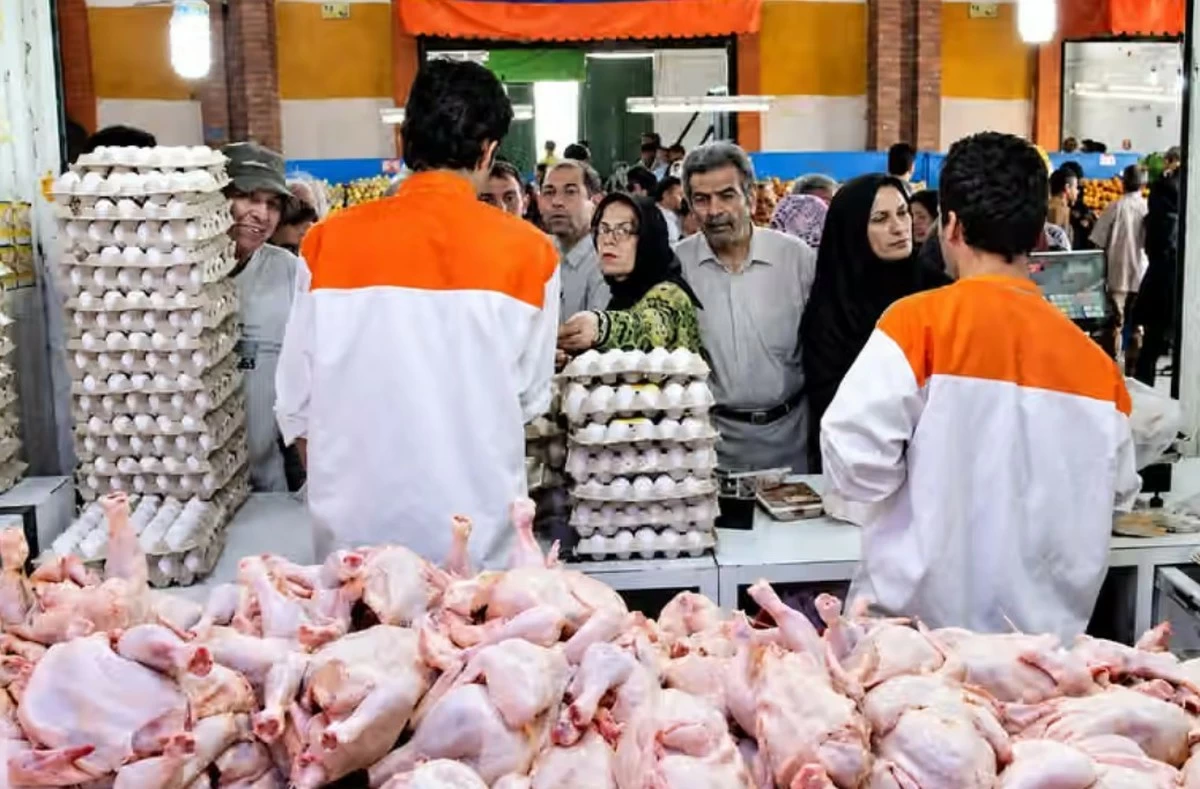
Customers buy chicken and eggs at a food market in Iran for high price
Residents queue for chicken scraps
ILNA said the economic hardship is particularly visible in poorer southern neighbourhoods of Tehran, where people searching through garbage bins outside shops for leftover food has become increasingly common.
The report also said residents were lining up outside a shop selling chicken carcasses and scraps.
A dairy shop owner said prices had at least doubled over the past year while his sales had fallen to about one-quarter of their previous level.
“Dairy sales have practically fallen to zero,” the shopkeeper said, adding that his electricity bill had risen from 4 million rials to 18 million rials.
He said rapidly rising prices were also leaving businesses with unsold stock because customers could no longer afford to buy.
Inflation adds to economic pressure
Iran has faced years of high inflation and currency depreciation, alongside international sanctions, restrictions on trade and finance, corruption and economic mismanagement.
The continued weakening of the rial has increased the cost of imported goods and added to pressure on households whose incomes have struggled to keep pace with rising prices.
Analyst Mohsen Modir-Shanechi told Iran International that the economic pressure was increasingly testing Iran's ability to withstand financial and trade restrictions.
He argued that prolonged economic pressure could gradually weaken a country's institutions and economy from within.
Modir-Shanechi also said Washington was relying heavily on financial and trade restrictions to pressure Iran, comparing the approach with measures previously used against several other countries.
Inflation, he said, remains a key indicator of Iran's ability to withstand prolonged economic and financial pressure.