


04/05/2026

Share:
04/05/2026
Share:

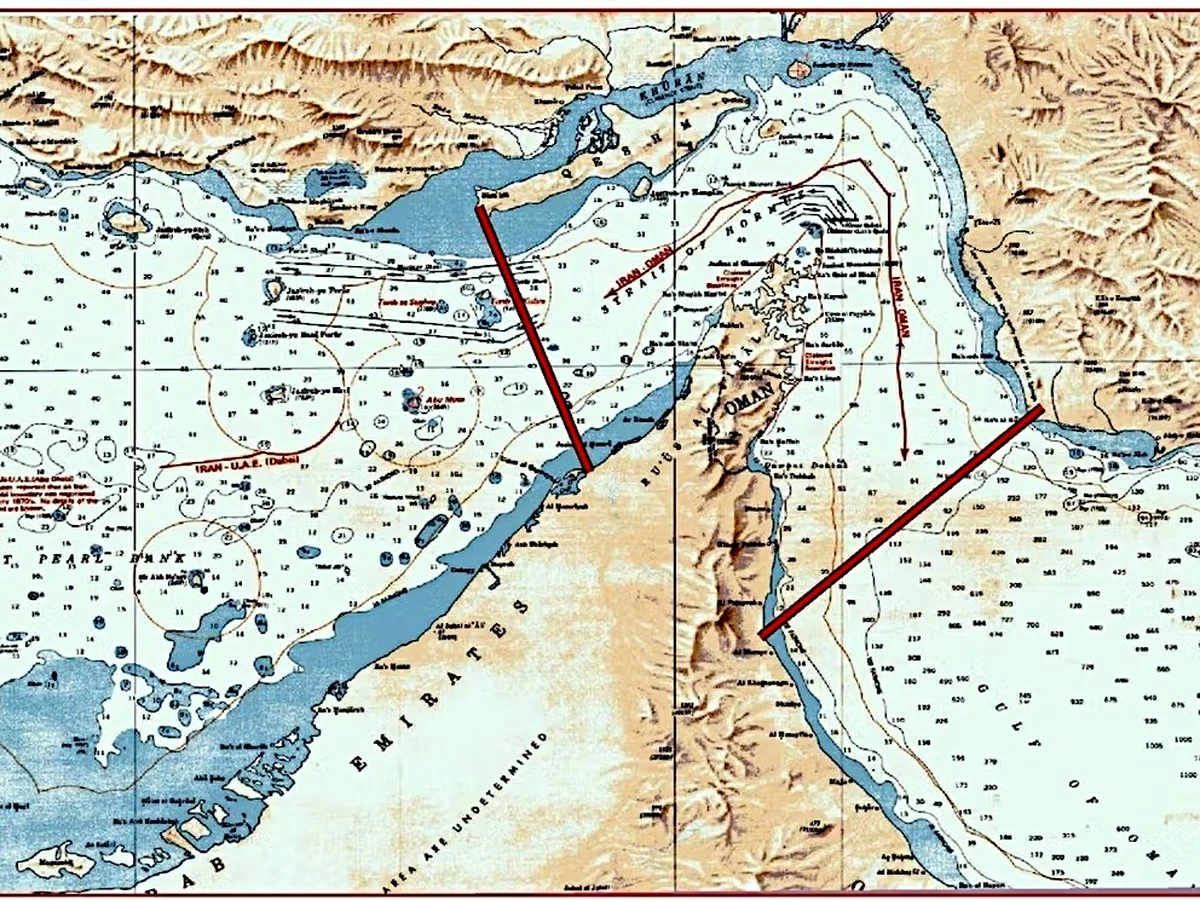
TEHRAN, May 4: Iran’s Revolutionary Guards navy on Monday unveiled a new map outlining what it described as areas of the Strait of Hormuz under the control and management of Iran’s armed forces, in a move likely to heighten regional sensitivities.
According to the IRGC navy, the designated zone stretches from a line between Kuh-e Mobarak in Iran and a point south of Fujairah in the UAE, and from another line between the end of Iran’s Qeshm Island and Umm Al Quwain in the UAE. The announcement underscores Tehran’s longstanding assertion of strategic influence over the vital shipping corridor.
Iran’s Islamic Revolutionary Guard Corps warned on Monday that any maritime movements violating its declared regulations would face serious risks, according to state media reports.
The force said vessels breaching these rules would be stopped “with decisive force,” underscoring its control over navigation in the Strait of Hormuz. The statement also urged shipping companies and marine insurers to follow official IRGC advisories closely to avoid potential incidents.
The development comes as Iran’s foreign ministry issued a pointed response to recent US statements regarding maritime security in the strait. US President Donald Trump had announced “Project Freedom,” an initiative aimed at assisting vessels stranded in the waterway.
Foreign ministry spokesman Esmaeil Baghaei said Iran’s armed forces were fully prepared to respond to any threats.
“The Islamic Republic has shown that it considers itself the guardian and protector of the Strait of Hormuz,” Baghaei said, adding that Washington continued to make “excessive and unlimited demands” in its dealings with Tehran.
He noted that Iran had received a US response via Pakistan and was currently reviewing it, but criticized what he described as shifting American positions.
“We are facing a side whose position changes every day,” he said, adding that the United States should have learned it cannot rely on “the language of threats and force” against Iran.
Baghaei also reiterated that any potential agreement with Washington would need to include Israel, emphasizing that Tehran’s longstanding policy of not recognizing Israel remains unchanged.
The Strait of Hormuz, through which a significant share of the world’s oil supply passes, remains a focal point of geopolitical tension between Iran, the United States, and regional powers.