


23/08/2026

Share:
23/08/2026
Share:

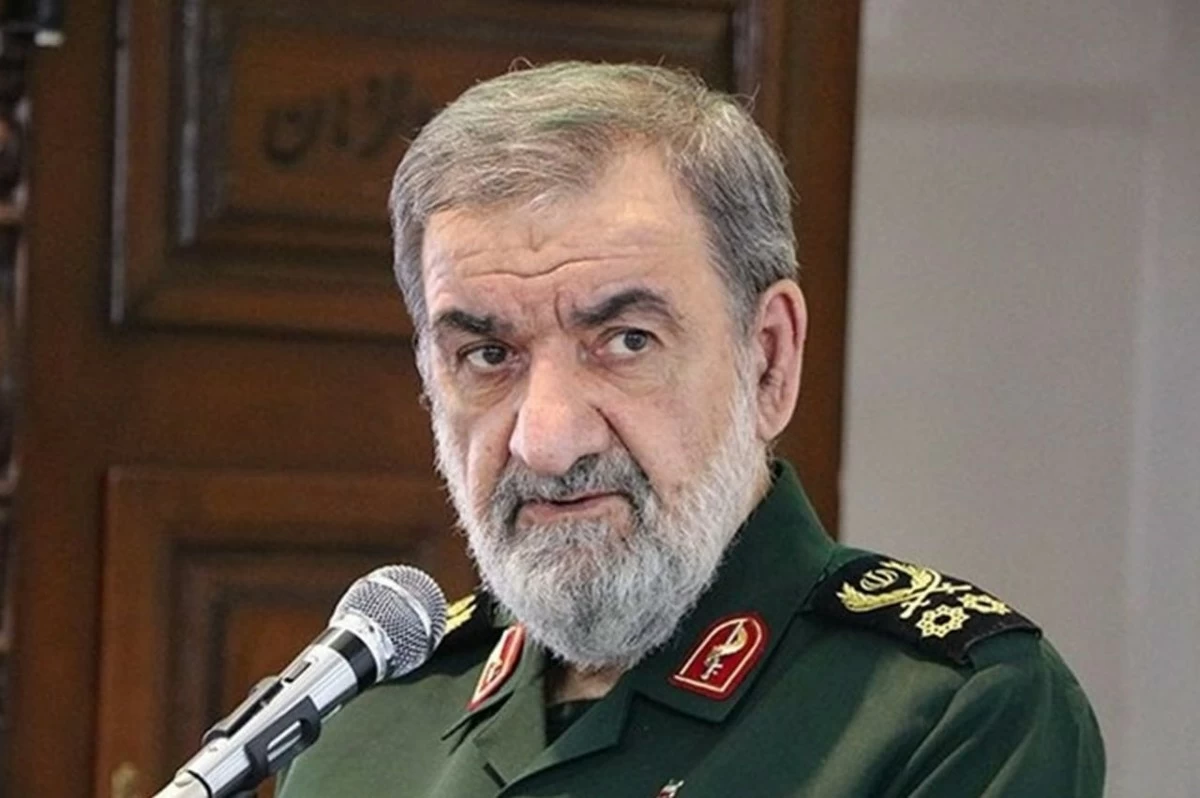
TEHRAN, Aug 22: Iran has warned neighboring countries against cooperating with the United States in what Tehran describes as an “economic war,” threatening to target their interests and prevent oil exports from leaving the Persian Gulf if they support Washington’s campaign against Iran.
Mohsen Rezaee, secretary of Iran’s Supreme National Security Council, issued the warning Saturday, saying neighboring countries should not participate in the US economic campaign. “We tell all neighboring countries not to participate in the economic war with the US; otherwise, we will consider them an enemy,” Rezaee said, according to Iranian state broadcaster IRIB.
“We are not seeking to expand the war, but if the countries surrounding Iran join the Americans in the economic war, we will strike their interests,” he added.
Rezaee warned that Iran could take measures to disrupt oil exports from the Gulf if neighboring states cooperate with Washington. “Not a single drop of oil will leave the Persian Gulf or the Strait of Hormuz,” he said, adding that Iran could also target other routes used to export oil from the region.
“If Trump wants to take action, we will respond in kind with earthquake-like force,” Rezaee said.
Strait of Hormuz remains closed, Iran says
Rezaee also rejected US claims that the Strait of Hormuz has reopened, insisting that the strategic waterway remains closed and would not reopen until Washington “corrects its behavior.”
“This time, it is the United States that must first fulfill its commitments,” he said.
Rezaee argued that Iran, which he said accounts for more than half of the Gulf’s coastline, should have a role in managing the Strait of Hormuz, one of the world's most important routes for oil and gas shipments.
He also said Iran wants an end to the wider conflict in West Asia and described Tehran as standing against “warmongers around the world.”
US steps up economic pressure
The warning comes after US President Donald Trump announced plans this week for what he called “the most crushing economic operation ever taken against any country,” describing his renewed maximum-pressure campaign against Iran as “Economic Warfare and Isolation on an unprecedented scale.”
Iran and the United States signed a memorandum of understanding in June through mediation by Pakistan and Qatar, bringing an end to hostilities that had begun in February and setting the stage for negotiations toward a broader agreement.
However, subsequent talks have stalled amid disagreements over implementation of the memorandum and arrangements governing navigation through the Strait of Hormuz, a critical passage for global energy shipments.
Iran’s latest warning raises the prospect of further tensions between Tehran, Washington and Gulf countries as disputes over sanctions, oil exports and access through the strategic waterway continue.