



12/05/2026

Share:
12/05/2026
Share:
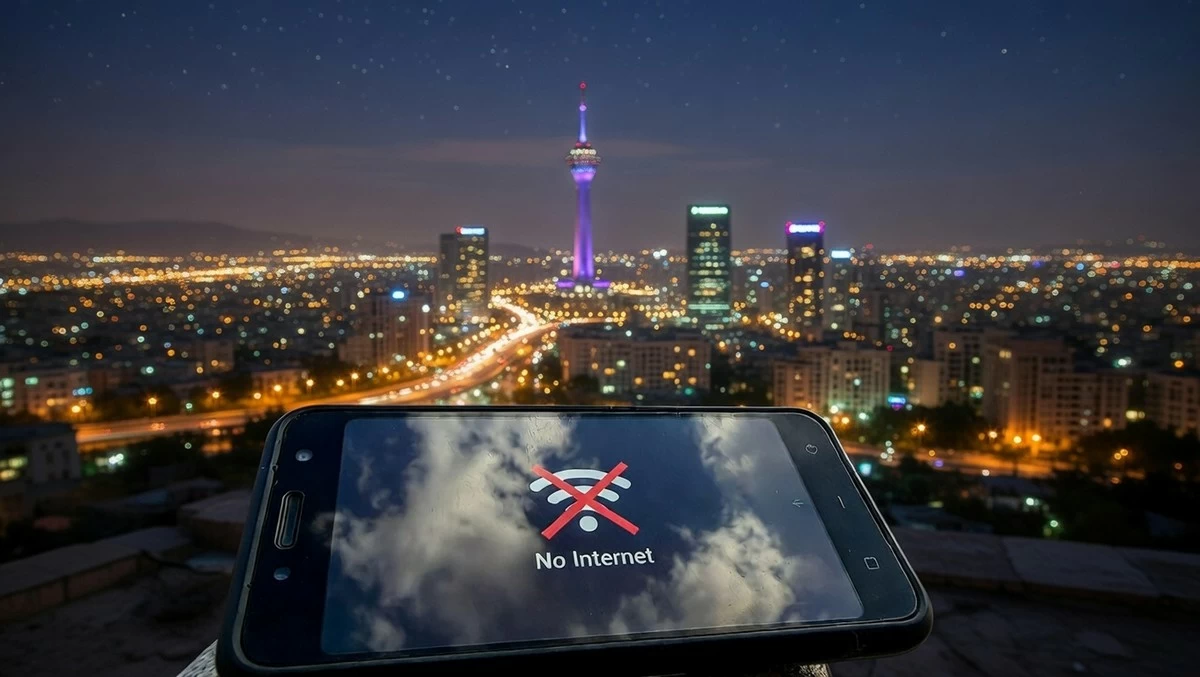

TEHRAN, May 12: Iranians’ anger over the country’s prolonged internet shutdown is “completely justified,” government spokesperson Fatemeh Mohajerani said on Tuesday, as millions continue to face severe digital restrictions for more than 70 days.
Speaking amid ongoing nationwide disruptions, Mohajerani described internet access as a right of the people but blamed the restrictions on security threats posed by Iran’s “enemies.” She said the government’s so-called “Internet Pro” system was intended to provide businesses with higher-quality access and promised that broader connectivity would return once the threat of war subsides.
The remarks come as many Iranians report mounting economic hardship, isolation and psychological strain caused by the prolonged blackout, which began during the 12-day conflict in June.
Residents across Iran say the restrictions have devastated online businesses, disrupted healthcare access, interrupted education and cut families off from relatives abroad.
Hossein, a 33-year-old music teacher, said online classes with students inside and outside Iran had effectively stopped because of unstable connections, causing his income to collapse. His wife, Mohaddeseh, who sold homemade products through Instagram, said the family had exhausted savings intended for buying a home.
Others described the internet increasingly becoming a “class-based” privilege, with stable access available only to those able to afford expensive connections or special services.
Shahla, a mother of a son with autism, said the blackout had severely affected her child’s mental well-being after online gaming — previously one of his few calming outlets — became inaccessible.
Retirees and elderly citizens have also reported difficulties accessing medical appointments and communicating with relatives abroad. Mozhdeh, a 70-year-old retiree, said she had not seen her grandchildren through video calls for more than 70 days due to restrictions and costly internet access.
Women-led online businesses have also been hit hard. Mahan, a fashion designer working with Baluch women producing traditional needlework, said online orders had virtually stopped, threatening the livelihoods of women dependent on digital sales.
As Iran’s internet restrictions enter a third month, many residents say the human impact of the blackout has received far less international attention than political and nuclear developments surrounding the country.