


13/05/2026

Share:
13/05/2026
Share:

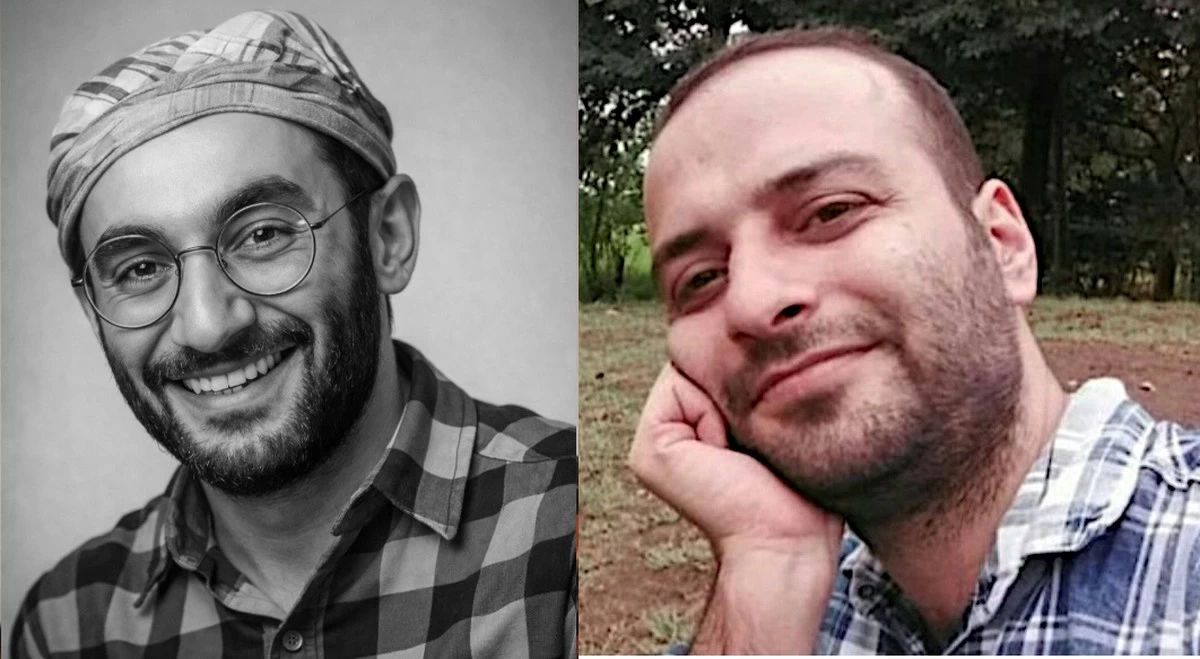
Ehsan Afrashteh and Iranian poet Peyman Farahavar
TEHRAN, May 13: Iran is facing renewed international scrutiny over its escalating use of the death penalty and tightening controls on political expression, following a series of developments involving executions, death sentences, and digital restrictions on citizens.
On Wednesday, Iranian authorities executed Ehsan Afrashteh on charges of espionage and alleged intelligence cooperation with Israel, according to the judiciary-linked Mizan News Agency. Afrashteh, born in 1993 in Isfahan and holding a master’s degree in civil engineering, was arrested in early 2024 after returning from Turkey and later spent months in solitary confinement, according to human rights monitors. Authorities accused him of passing sensitive information to Israel and claimed he had been trained by Mossad, allegations that have not been independently verified. Human rights organizations had previously warned that he was at imminent risk of execution.
In a separate case, Iranian poet Peyman Farahavar remains at risk of execution after the country’s Supreme Court rejected his request for judicial review, according to rights groups. Farahavar, a 37-year-old father from Gilan province, was convicted by a Revolutionary Court on charges including “enmity against God” and “armed rebellion against the state,” allegations his supporters say are linked to his poetry, political writings, and protest activity rather than any armed involvement. Reports from rights organizations also allege that he was subjected to torture during interrogation and denied adequate medical care while in detention.
Meanwhile, concerns are mounting over Iran’s expanding digital surveillance and restrictions on internet access. According to reports received by Iran International, some citizens have had internet or SIM card access blocked over alleged online activity against the state, with authorities allegedly requiring users to post pro-government content, submit personal data, and sign pledges before restoring access. In some cases, individuals were reportedly instructed to publish multiple posts supporting the government and provide evidence of compliance. The notices also warned of continued monitoring through surveillance systems and potential legal consequences for non-compliance.
Together, these developments highlight growing alarm among rights groups over executions, judicial practices, and increasing state control over political expression and digital activity in Iran.