



01/05/2026

Share:
01/05/2026
Share:

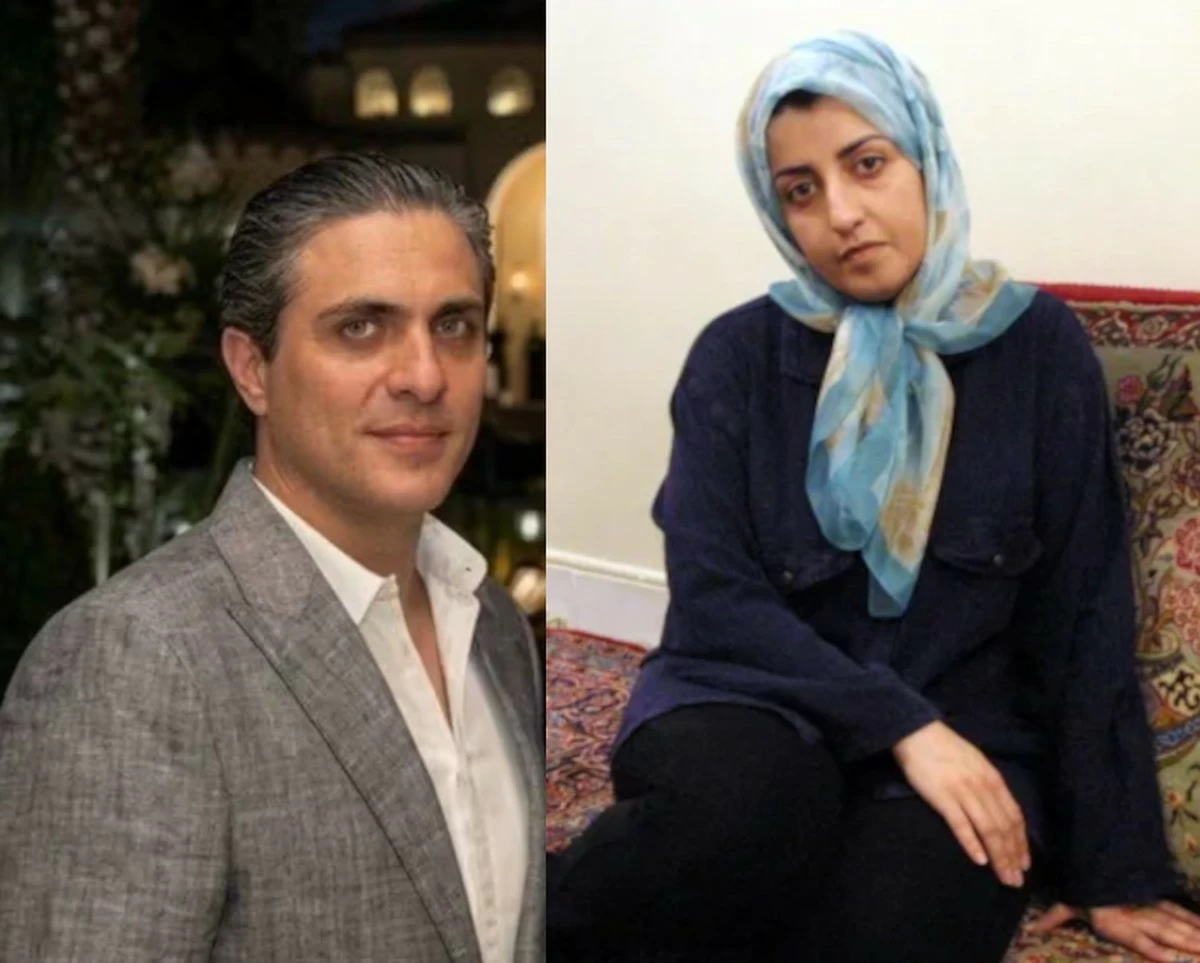
TEHRAN, May 1: A man arrested in Iran for allegedly using satellite internet service Starlink has died after what sources describe as a brutal beating by security forces, as concerns mount over detainee treatment in the country. The development comes alongside reports that imprisoned Nobel Peace Prize laureate Narges Mohammadi has been rushed to hospital following a severe health crisis.
Hesam Alaeddin was detained after visiting a hospital to check on his brother, Hamid Alaeddin, who had been shot during recent protests. According to a source familiar with the case, security agents confiscated some of his electronic devices during that visit. When he returned days later to retrieve them, he was arrested and taken to his home.
There, the source said, Alaeddin was subjected to severe beatings using various objects during interrogation. He died at the scene, but authorities allegedly concealed his death for weeks, treating him administratively as a living detainee before informing his family to collect his body. Alaeddin was reportedly related to Ahmad Alaeddin, a co-owner of Tehran’s well-known Alaeddin shopping center.
The case adds to growing allegations of harsh treatment and lack of transparency surrounding detainees in Iran, particularly those linked to protests or sensitive technologies such as satellite internet systems.
In a separate but equally alarming development, the Narges Mohammadi Foundation said the imprisoned Nobel laureate was urgently transferred from prison in Zanjan to a hospital after suffering what it described as a “catastrophic deterioration” in her health.
According to the foundation, Mohammadi experienced two episodes of complete loss of consciousness and a severe cardiac event. Earlier on Friday, she reportedly fainted twice inside the prison. Her lawyers had previously warned of her fragile condition, stating she likely suffered a heart attack in late March and had since shown visible signs of decline, including weight loss and difficulty walking.
The foundation attributed her condition to “140 days of systematic medical neglect” since her arrest in December, raising renewed alarm among human rights advocates over access to medical care for political prisoners.
Together, the incidents are likely to intensify scrutiny of Iran’s detention practices, as calls grow for accountability and improved safeguards for those held in custody.