

14/11/2026

Share:
14/11/2026
Share:
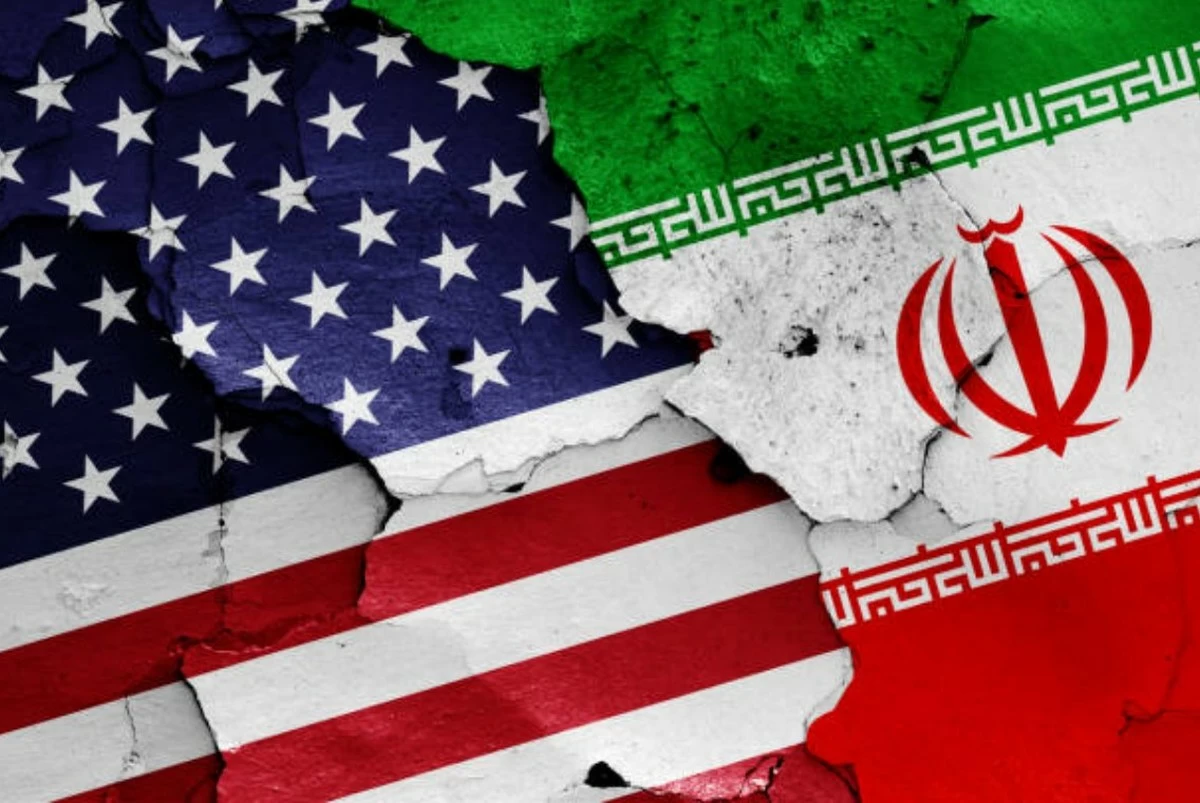

TEHRAN, Nov 14: Iran has accused the United States of threatening to starve its population through an economic and naval blockade, with Foreign Ministry spokesman Esmail Baghaei describing Washington's pressure campaign as a potential war crime.
In a post on X on Saturday, Baghaei criticized US Secretary of State Marco Rubio over remarks suggesting that mounting economic pressure would eventually force Iran's leadership to reconsider its position in negotiations with Washington.
Quoting Rubio's statement that Iranians would "have to eat eventually," Baghaei said the remarks amounted to an open threat to starve the Iranian population through the blockade.
He accused Washington of pursuing policies that violate international law, describing the sanctions and blockade as economic terrorism and part of what he called a broader campaign of aggression against Iran.
Baghaei also criticized what he described as decades of failed American policies based on coercion, threats, sanctions and military pressure.
Invoking American historian Barbara Tuchman's book The March of Folly, he accused Washington of repeatedly pursuing policies despite evidence of their failure, arguing that the United States was continuing to repeat past mistakes under different names.
US Economic Pressure
Rubio made the remarks earlier this week following a meeting of G7 foreign ministers in Paris, where he said US sanctions and the naval blockade were inflicting severe economic damage on Iran.
He argued that the mounting pressure was reducing Tehran's oil revenues and could eventually force its leadership to reconsider its negotiating position.
Rubio also indicated that Washington believed further major military operations might not be necessary as long as economic pressure continued to weaken Iran's financial position.
The US administration has maintained that its pressure campaign is intended to force Tehran to make concessions, particularly over its nuclear program and regional activities.
The latest exchange underscores the continuing confrontation between Washington and Tehran, with economic pressure and the naval blockade remaining major obstacles to diplomatic efforts to end the conflict.