



29/04/2026

Share:
29/04/2026
Share:

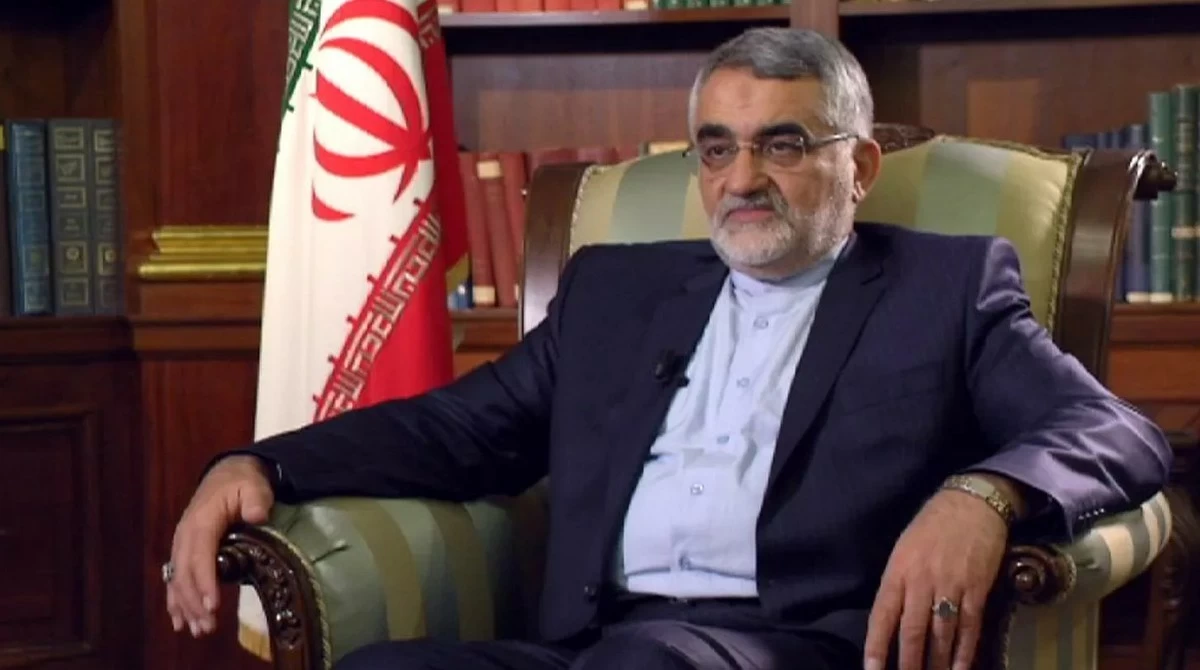
TEHRAN, April 29: A senior Iranian parliamentarian has claimed that Iran possesses sufficient missile and drone stockpiles to sustain “several years of war,” even as reports from inside the country describe rising economic hardship, layoffs, and worsening living conditions for ordinary citizens.
Alaeddin Boroujerdi, deputy chairman of parliament’s national security committee, said Iran had entered talks with the United States on the orders of the Supreme Leader and added that Parliament Speaker Mohammad Bagher Ghalibaf was overseeing negotiations with “valuable experience.” He described the negotiating table as “not a place of compromise and humiliation,” expressing hope for a positive outcome.
Boroujerdi also dismissed threats attributed to former U.S. President Donald Trump, saying Iran would not allow him to “escape accountability,” and insisted that Iran’s military capabilities remained strong. He further claimed that Iran’s maritime position, including the Strait of Hormuz, remained under firm control and criticized Western naval pressure as lacking legitimacy and international support.
However, amid these political and military assertions, accounts shared by Iranian citizens paint a starkly different picture of daily life. Reports indicate widespread layoffs across industrial and service sectors, sharply rising prices of basic goods, and growing food insecurity.
One report from Rasht suggested that around 2,000 workers had been laid off across multiple sectors, while others described difficulties paying rent and affording basic meals. A former petrochemical worker in Fars province said he had been unemployed for two months, adding that his family had been forced to reduce food intake to one meal a day due to financial strain.
Iran International viewers also reported that state media has acknowledged economic pressure, with messages warning citizens about high costs and ongoing wartime conditions.
The contrasting narratives highlight widening tensions between official statements emphasizing military readiness and growing public concerns over economic stability and daily survival.