

06/11/2026

Share:
06/11/2026
Share:
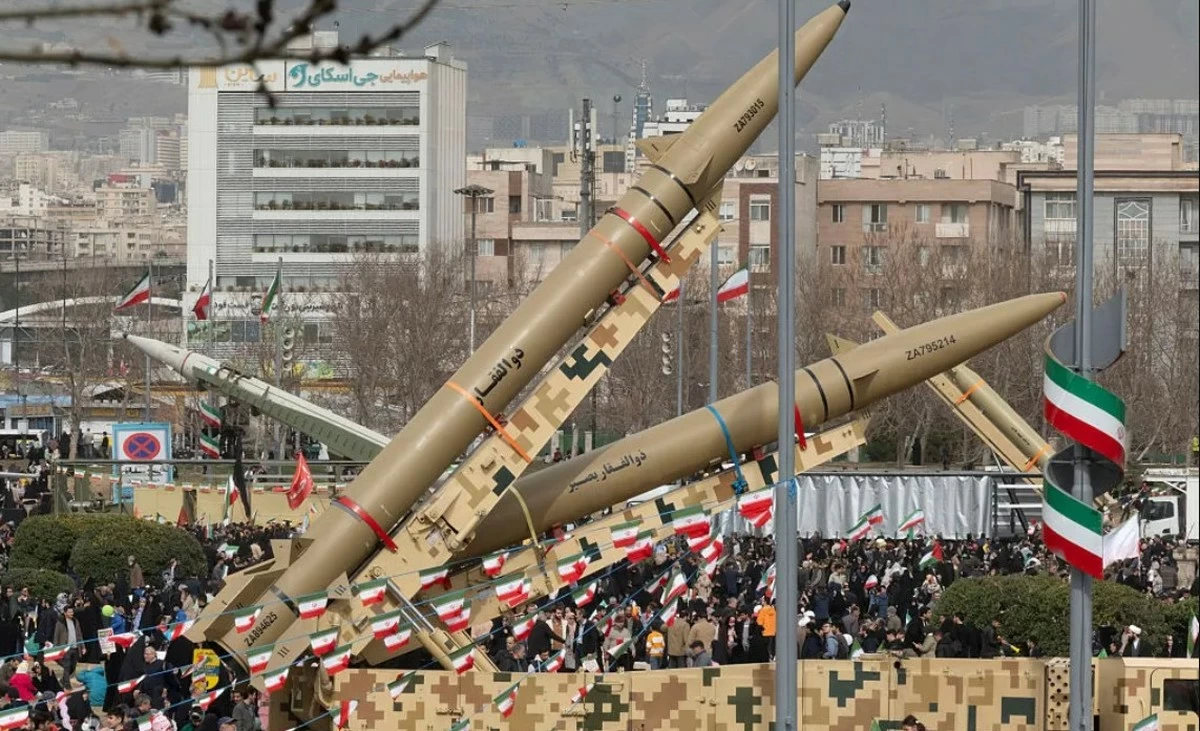

DUBAI, Nov 6: Major airports across the Persian Gulf are facing an increasing threat from Iranian missiles and drones, raising concerns over the security of billions of dollars invested in aviation infrastructure and the region’s role as one of the world’s most important transport hubs, The Wall Street Journal reported.
The report, published Thursday, said Gulf states have invested hundreds of billions of dollars in developing airports into major international hubs linking Asia, Europe, Africa and beyond. However, the same strategic location that helped transform the region into a global aviation crossroads has also placed key civilian infrastructure within range of Iranian and allied weapons. The Wall Street Journal
According to the conflict-monitoring group ACLED, airports and other critical civilian infrastructure across the Gulf have been repeatedly exposed to attacks during the regional conflict. ACLED said Iran and Iran-backed groups have targeted airports, ports, energy facilities and other commercial infrastructure, warning that such sites could remain vulnerable during any future escalation. ACLED
The Wall Street Journal reported that airports across the Gulf region have been targeted, with attacks damaging facilities, forcing aircraft evacuations and contributing to flight disruptions and prolonged suspensions by international carriers. The resulting security concerns have also increased operational and insurance pressures for airlines and airport operators. The Wall Street Journal
The threat has been particularly significant for Saudi Arabia, where the Iran-backed Houthi movement has carried out repeated attacks against airports. Saudi-led coalition officials said in October that the Houthis had launched 20 attacks against King Khalid International Airport in Riyadh since Oct. 1, while other Saudi airports had also been targeted. Arab News
The growing aviation threat comes amid broader warnings from Tehran that civilian and economic infrastructure in Gulf countries could face further attacks if the United States and Israel launch renewed military action against Iran. Previous reports said Iran had warned that airports, pipelines and other economic targets could be included in any expanded retaliation. Iran International | Iran International
The disruption poses a wider economic challenge for Gulf states, particularly the UAE and Saudi Arabia, whose long-term diversification strategies rely heavily on aviation, tourism, trade, logistics and international business.
Former US Ambassador to Saudi Arabia Michael Ratney told the Journal that the commercial success of Gulf aviation hubs is closely linked to how safe and attractive the region is perceived to be by airlines, businesses and travelers.
Despite the risks, Gulf governments continue to invest heavily in aviation infrastructure, including major airport expansion projects. However, the latest attacks and threats underline a growing vulnerability: the airports built to connect the world have increasingly found themselves on the front line of regional conflict.