


20/07/2026

Share:
20/07/2026
Share:
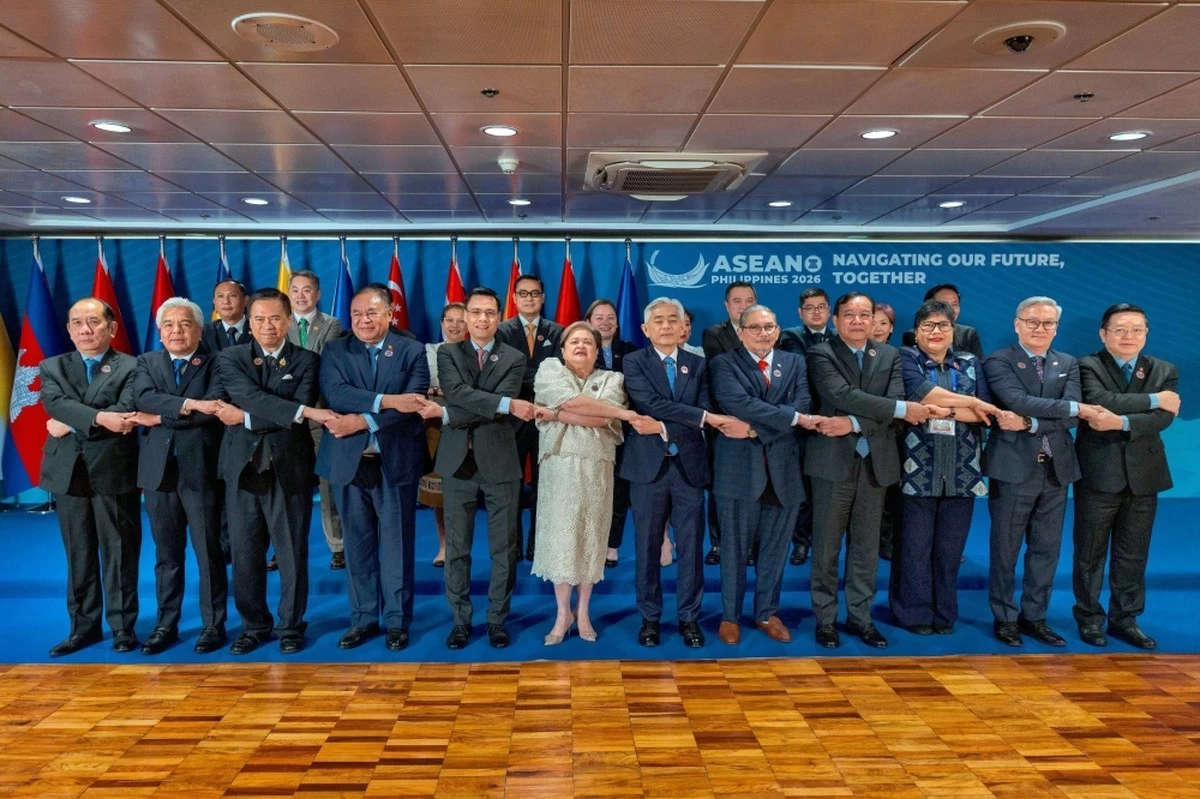

MANILA, Philippines, July 20, (AP): Southeast Asia’s top diplomats will express alarm over renewed hostilities in the Middle East when they gather in the Philippine capital Tuesday for talks to be joined by Western and Asian counterparts, including from the United States, China, Russia and the European Union. Some of the world’s most intractable conflicts, including the latest fighting in Iran, will be high in the agenda of the annual talks held by the Association of Southeast Asian Nations.
The Philippines holds the 11-nation regional bloc’s chairmanship this year and is hosting the three-day talks in Manila. U.S. Secretary of State Marco Rubio, Chinese Foreign Minister Wang Yi and Russian Foreign Minister Sergey Lavrov are among the attendees. Ukraine’s top diplomat, Andrii Sybiha, has been invited to attend a Friday ceremony commemorating a 1976 nonaggression treaty of ASEAN but is not a participant in the ASEAN meetings Lavrov and Rubio will attend.
Rubio and Lavrov have not announced any plans to meet each other or Sybiha while they are in Manila. ASEAN foreign ministers will first meet among themselves on Tuesday to discuss among other main concerns the hostilities between the United States and Iran that have spilled into other countries in the Middle East and sparked fears of a return to a full-blown war.
They plan to issue a joint statement expressing alarm over the developments and urge both sides to resume talks, two Southeast Asian diplomats told The Associated Press. The fighting has again threatened shipping traffic in the Strait of Hormuz, the waterway where roughly 20% of global oil supplies transited before the war.
Southeast Asia, a bustling region of more than 680 million people, relies heavily on Middle East oil and gas and was severely hit by the global supply and price shocks sparked by the Iran war. Philippine President Ferdinand Marcos Jr declared a national energy emergency in March to ensure the availability of fuel, food and other basic goods and prevent hoarding and profiteering.
Washington’s preoccupation with the war in Iran and the diversion of its military firepower to the Middle East has sparked concerns over its focus on Asia-Pacific concerns, including China’s aggressive actions in the disputed South China Sea and against Taiwan which the Trump administration has pledged to help deter. Rubio’s attendance in the ASEAN meetings aimed to renew Washington’s assurances.