



20/05/2026

Share:
20/05/2026
Share:
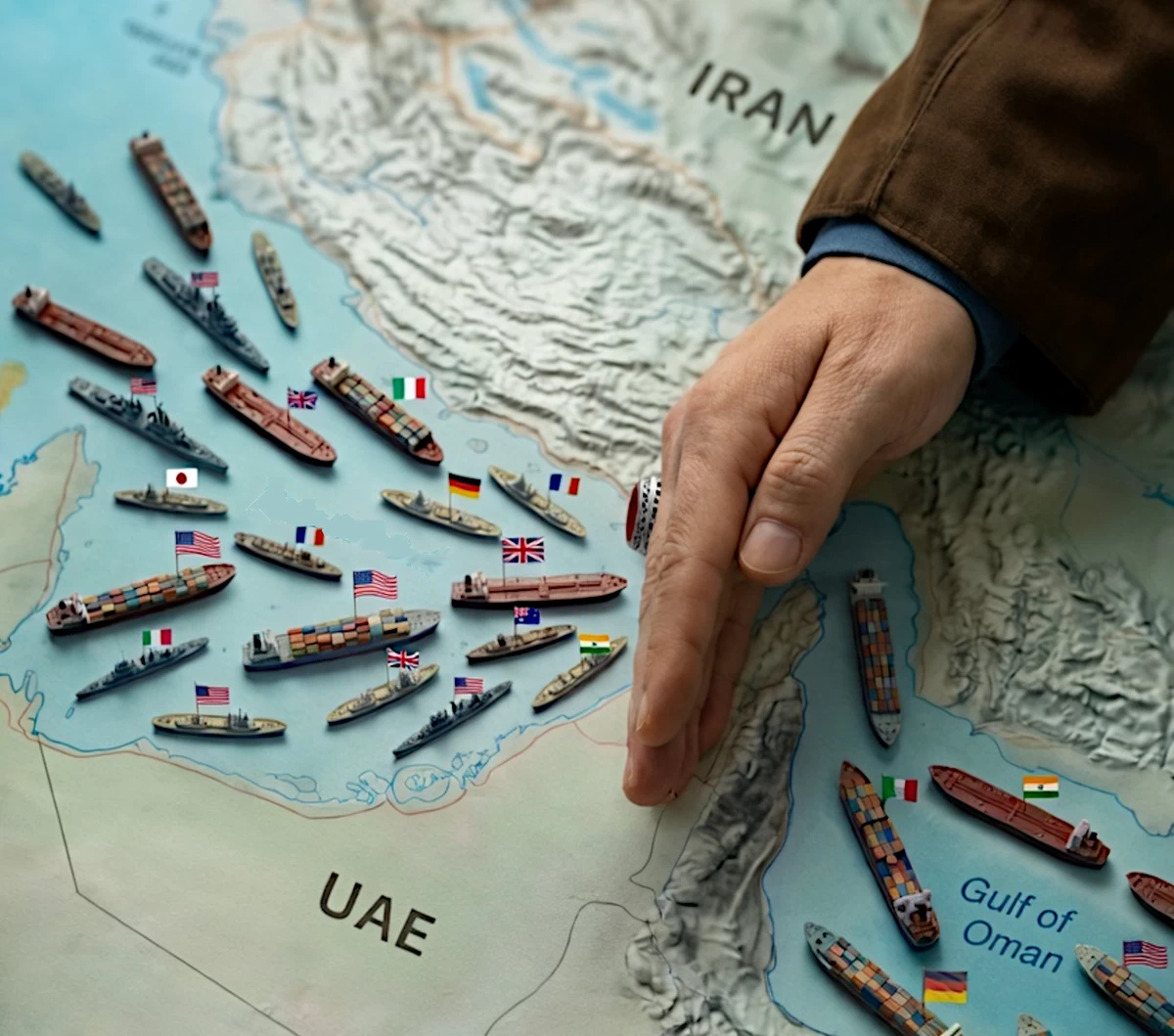

TEHRAN, May 20: Iran has consolidated what appears to be expanded control over the Strait of Hormuz through a system of military checkpoints, vessel inspections, route management and reported passage fees, according to a Reuters report citing shipping officials and regional sources.
The report said the Islamic Revolutionary Guard Corps plays a central role in a multi-layered transit framework that determines the movement of vessels through one of the world’s most critical oil shipping lanes. Under the arrangement, ships linked to certain allied states are reportedly prioritised, while others may require formal clearance or bilateral coordination to pass.
According to shipping industry sources cited in the report, some vessels not covered by government-to-government arrangements have allegedly paid Iranian authorities fees of more than $150,000 to secure safe passage through the strait. Iranian officials quoted in the report said that security and navigation charges may apply depending on cargo, while adding that not all countries are subject to such fees.
The report also said vessels navigating the waterway face inspections by armed patrol boats, possible routing restrictions, transponder limitations, and delays, depending on operational conditions.
In a separate development, the US Central Command (CENTCOM) said American forces have redirected around 90 commercial vessels back to Iranian ports and disabled four others as part of maritime enforcement measures linked to US operations in the region.
The Strait of Hormuz remains one of the most strategically sensitive waterways globally, handling a significant portion of the world’s oil exports, and any disruption to traffic through the corridor is closely monitored by global energy markets.