


24/09/2026

Share:
24/09/2026
Share:
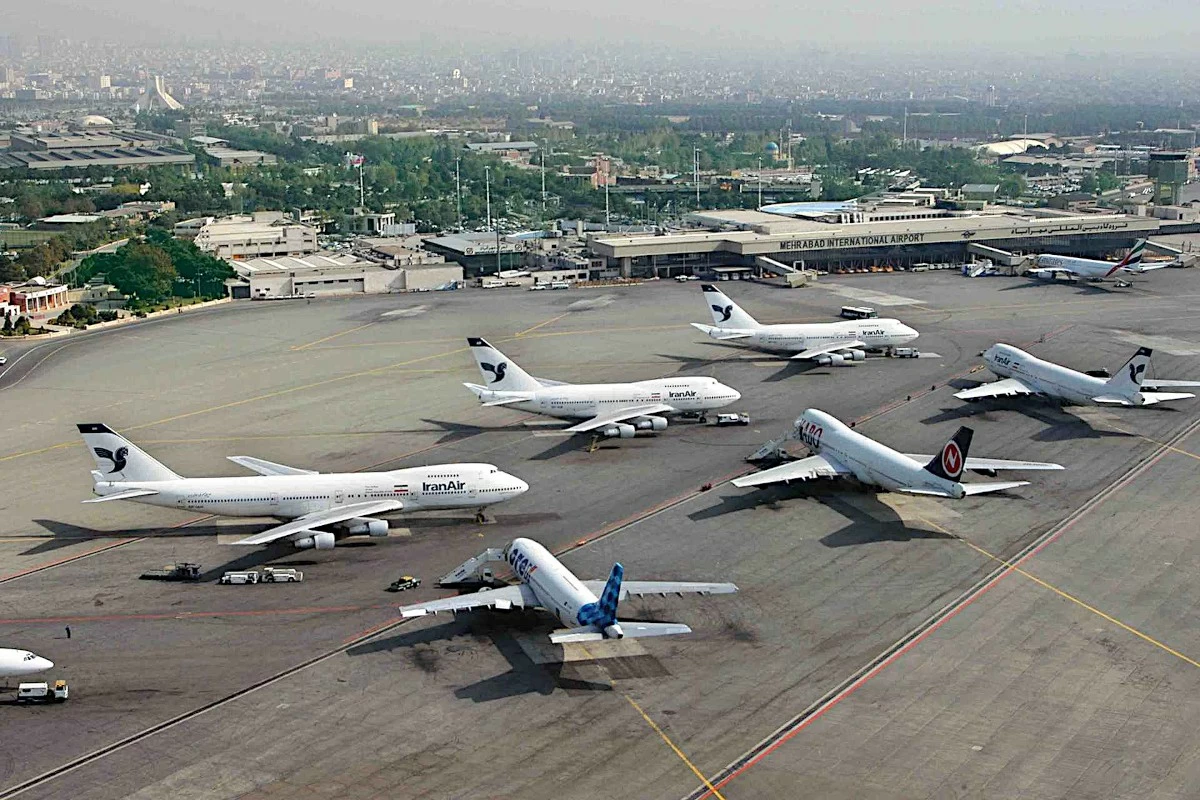

TEHRAN, Sept 23: Iran has warned that it could disrupt airports in neighboring countries that cooperate with the United States in restricting Iranian airlines, escalating its response to new US sanctions targeting the country’s aviation sector.
Mohsen Rezaei, secretary of Iran’s Supreme National Security Council, issued the warning in an interview with Iranian state television on Wednesday.
“If neighboring countries cooperate with the United States in stopping Iranian flights, their airports will not be able to operate either,” Rezaei said. He did not specify how Iran would seek to prevent the airports from operating.
Rezaei also warned neighboring countries against participating in any further US military action against Iran, saying: “I am telling neighboring countries from now: do not enter this adventure.”
The warning follows new US sanctions targeting Iran’s aviation sector. The US Treasury Department sanctioned 36 targets linked to the sector and warned companies providing services to Iranian carriers that they could face secondary sanctions.
Washington has accused Iranian aviation networks of being used to transport weapons, personnel and other cargo for the Iranian government.
The sanctions and related restrictions have already affected Iran’s international air connections. Flights to Baghdad and Muscat were canceled after authorities there stopped accepting Iranian flights, while Iranian carriers have also faced restrictions or cancellations affecting destinations including Turkey and Georgia. Some international services continued operating on Wednesday despite a US deadline.
Iran links airport warning to Strait of Hormuz
Rezaei also tied the airport warning to Iran’s demands for negotiations with Washington and the reopening of the Strait of Hormuz, which has been severely disrupted during the war.
He said Iran had given the United States four to five days to respond to Tehran’s conditions.
“Until Iran’s conditions are accepted, there will be no negotiations and the Strait of Hormuz will not be reopened,” Rezaei said.
He did not disclose the conditions, saying they had already been communicated to mediators and would be conveyed again during the UN General Assembly gathering in New York by Iranian Foreign Minister Abbas Araghchi.
“We are not going back to the diplomacy of the past,” Rezaei said, describing Iran’s current approach as different from previous diplomatic efforts.
Rezaei characterized control over the Strait of Hormuz as a source of leverage in negotiations, saying: “The Strait of Hormuz is our dignity. The Strait of Hormuz is our power. The Strait of Hormuz is the Iranian people’s tool for obtaining their rights.”