


14/06/2026

Share:
14/06/2026
Share:

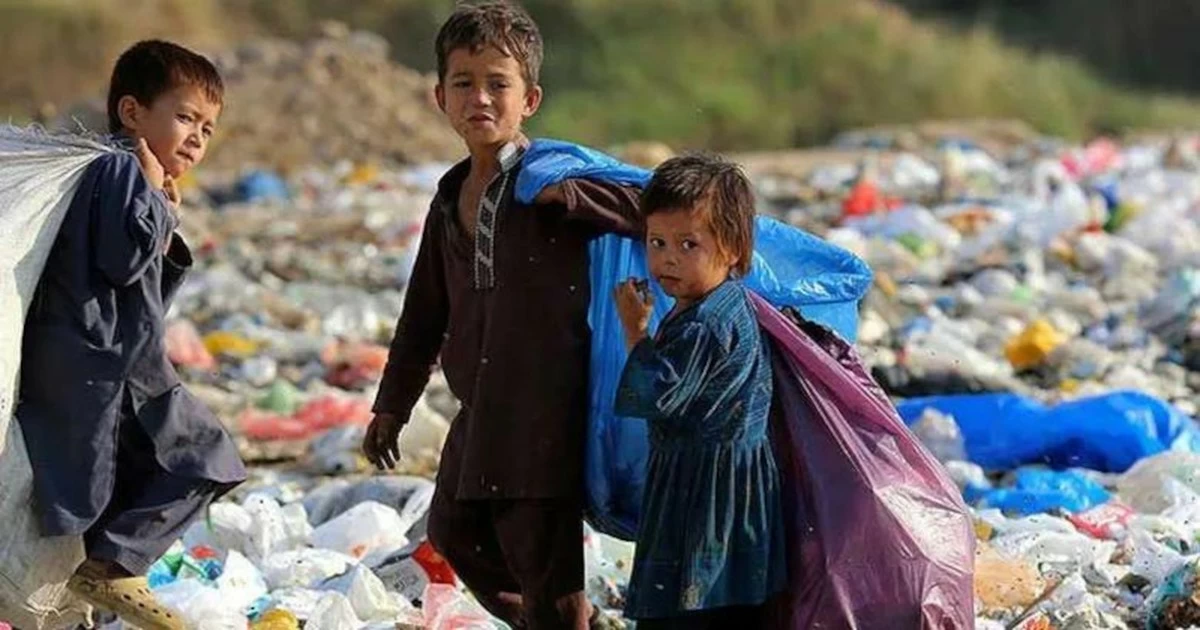
TEHRAN, June 14: The head of Iran’s Association of Social Workers has warned that worsening economic conditions in the country are driving a rise in child labor, exposing vulnerable children to exploitation, violence, and severe health risks.
Hassan Mousavi Chalak told Khabar Online that deepening poverty is forcing more families to rely on their children’s income to meet basic household needs. He said the trend reflects a broader deterioration in living standards across the country, where economic hardship is increasingly shaping family survival strategies.
“We must accept that poverty in Iran has deepened,” Mousavi said, adding that the more difficult the economic situation becomes, the greater the reliance on children’s labor to support family expenses.
He criticized what he described as efforts to downplay the scale of the problem, stressing that child labor extends far beyond children visible on city streets. According to him, children are also being employed in slaughterhouses, livestock farms, agricultural fields, underground workshops, orchards, and industrial environments, often in unsafe and unregulated conditions.
Mousavi said there are no reliable official statistics on the number of child laborers in Iran, but warned that the phenomenon appears increasingly widespread, particularly in major cities as well as pilgrimage and tourist destinations.
He highlighted the physical and psychological consequences faced by working children, noting that many are deprived of education and normal social development. Instead, they are exposed to harsh working environments that can lead to malnutrition, skin and infectious diseases, gastrointestinal illnesses, and substance abuse, as well as various forms of violence and exploitation.
“Social comparisons are also harmful,” he said. “When a child sees peers enjoying normal family life, they experience psychological pressure and emotional suffering.”
Mousavi also warned that economic distress increases the risk of exploitation, including cases where children may be abused by individuals close to them. He said that while organized criminal networks or “mafia-like” structures cannot be ruled out in some cases—particularly involving homeless children—not all child workers are under such control.
He added that many children are sent from poorer provinces to wealthier areas to help support family incomes, while some without guardians may become vulnerable to criminal exploitation or forced illegal activities.
Recent reports have also pointed to worsening economic conditions in Iran, including rising unemployment, inflation in essential goods, and declining job opportunities, all of which are intensifying pressure on households and contributing to the growth of informal and child labor sectors.
A 2025 study further suggested that poverty, migration, and weak social protection systems are driving both Iranian and Afghan migrant children into street work and informal workshops, where gaps in welfare support leave families with few alternatives.
Experts warn that without stronger economic safeguards and child protection systems, the trend could deepen further, placing more children at risk of long-term physical, psychological, and social harm.