


01/05/2026

Share:
01/05/2026
Share:
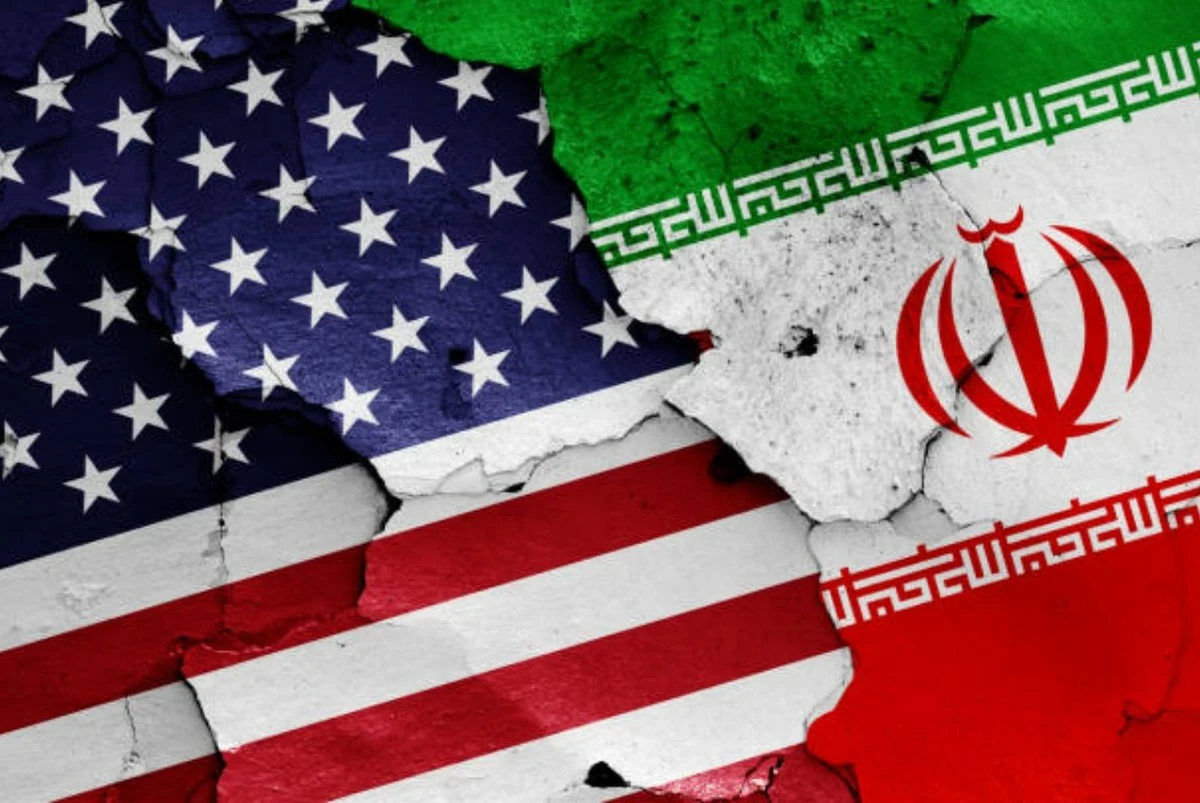

TEHRAN, May 1: Iran submitted a revised negotiation proposal to the United States through Pakistani mediators, IRNA news agency reported today. Foreign ministry spokesman Esmail Baghaei earlier said Tehran seeks a durable peace in talks with Washington, even as senior clerics and lawmakers have said negotiations over the nuclear program and the Strait of Hormuz are no longer under discussion.
Rhetoric
However, parallel statements from lawmakers and clerics suggest deep divisions over the scope and direction of talks. Several senior figures have indicated that key issues — including Iran’s nuclear program and control of the Strait of Hormuz — are no longer open for negotiation.
Ali Nikzad, deputy speaker of parliament, underscored Iran’s strategic posture, stating, “The Strait of Hormuz is Iran’s atomic bomb, and 60-percent uranium enrichment is a symbol of our power.” He added that, under the direction of the Supreme Leader, the strait “will never return to its pre-war state.”
Tensions were further heightened by reports of aerial activity. An Iranian lawmaker said unidentified micro aerial vehicles had entered Iranian airspace to assess defense systems, prompting what he described as a “crushing response” from Iranian forces. Lawmaker Ali Khezrian called for a stronger offensive posture to deter future incursions.
Meanwhile, influential clerics signaled firm opposition to renewed engagement with Washington. Mohammad Javad Haj Ali Akbari declared that the Persian Gulf and Strait of Hormuz are “no longer negotiable,” noting that Iran may pursue a new legal framework with Oman instead.
Ahmad Alamolhoda, a prominent Friday prayer leader in Mashhad, echoed that stance, saying, “Negotiating with America means surrender,” while suggesting Iran could assert control over Hormuz without direct talks.
Other clerical figures also criticized the US military presence in the region. Mohammad Saeedi argued that American bases are unable to guarantee their own security and described Washington’s deployment as a source of instability.
The contrasting signals — diplomatic outreach on one hand and intensifying rhetoric on the other — highlight the fragile and complex state of US-Iran relations.