


25/06/2026

Share:
25/06/2026
Share:
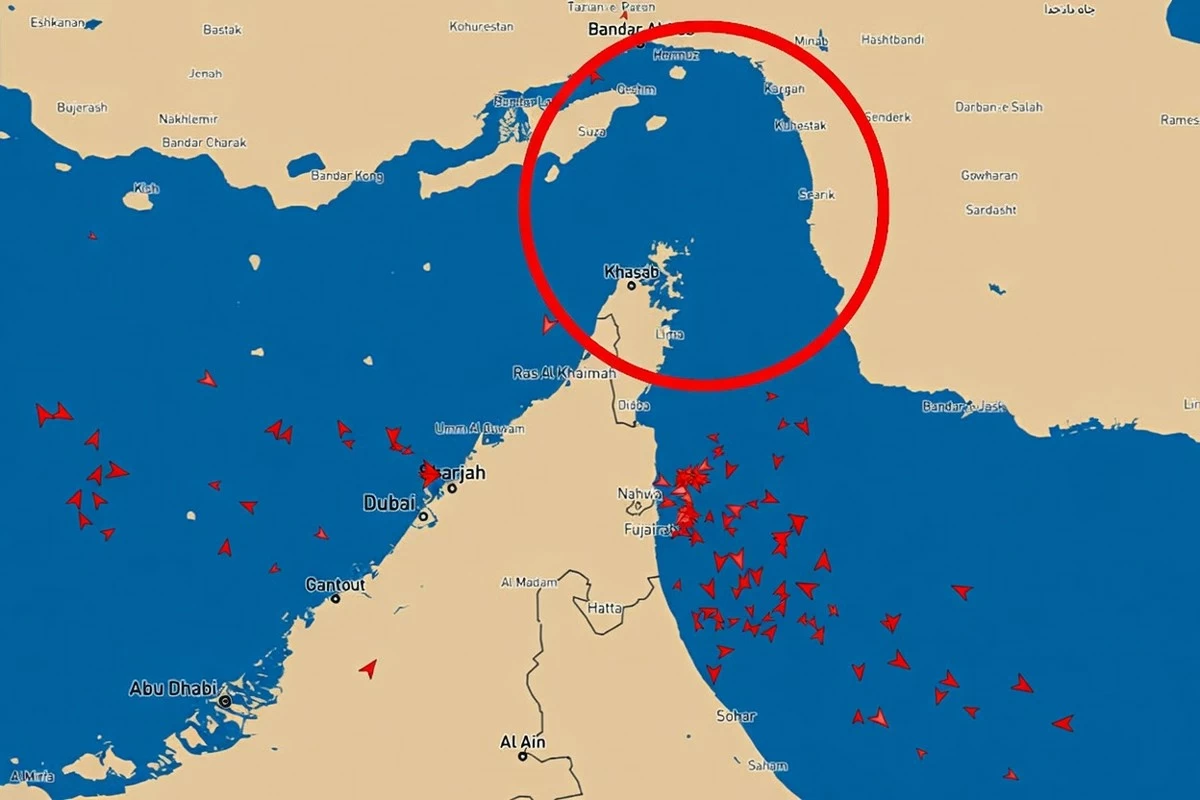

TEHRAN / DUBAI, Jun 25: Iran and the UAE exchanged pointed messages on Wednesday over the future of the strategically vital Strait of Hormuz, highlighting ongoing tensions in the Gulf following recent regional conflicts.
Behnam Saeedi, secretary of the Iranian parliament’s National Security Committee, said security conditions in the Strait of Hormuz had been fundamentally altered and would never return to their previous state. He stressed that Iran’s nuclear rights were non-negotiable in any future agreement and said Tehran’s key demands included the unfreezing of blocked Iranian assets and the lifting of what he described as a maritime blockade.
“The security conditions in the Strait of Hormuz have completely changed,” Saeedi said, adding that Iran would not compromise on its nuclear program rights during negotiations.
Responding indirectly to such assertions, UAE presidential adviser Anwar Gargash said regional geopolitical realities could not be reshaped through aggression or coercion. In a post on X, Gargash warned that imposing a new status quo born out of conflict would undermine long-term stability.
“Imposing a fait accompli born of aggression does not create stability, but plants new seeds of discord and conflict in the future,” he wrote, adding that the same principle applied to the Strait of Hormuz.
The Strait of Hormuz, a narrow waterway linking the Gulf to global markets, remains one of the world's most important energy shipping routes, carrying a significant share of global oil and liquefied natural gas exports. Any disruption or heightened tension in the area is closely watched by international energy markets and regional governments.
The latest remarks underscore continuing differences among Gulf states and Iran over regional security arrangements, even as diplomatic efforts continue to reduce tensions following recent hostilities.