


15/06/2026

Share:
15/06/2026
Share:

TEHRAN/RIYADH, June 15: Iran’s Foreign Ministry has said that Lebanon and the end of hostilities there are a central component of the emerging memorandum of understanding (MoU) between Tehran and Washington aimed at de-escalating regional conflicts.
Iranian Foreign Ministry spokesperson Esmail Baghaei told reporters on Monday that Lebanon was explicitly referenced multiple times in the draft understanding, emphasizing that any agreement must respect Lebanon’s sovereignty and territorial integrity.
“The word Lebanon is used three times in the memorandum of understanding between Iran and the United States,” Baghaei said. He added that provisions reportedly include ending hostilities across all fronts and ensuring full respect for Lebanon’s sovereignty and borders.
Baghaei also suggested that recent Israeli military activity in Lebanon had altered the diplomatic landscape, calling it “an opportunity to secure the maximum interests of Iran, the resistance front and Lebanon.”
He said a final decision on the signing mechanism of the MoU was expected within the coming days, with regional diplomatic visits planned ahead of a possible meeting in Geneva.
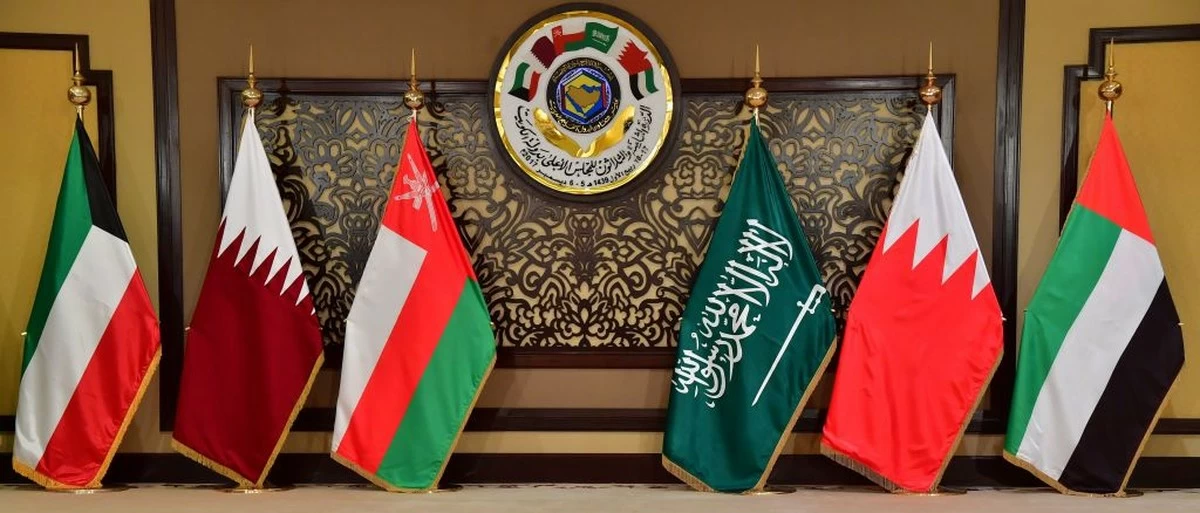
Meanwhile, the Gulf Cooperation Council welcomed the reported US–Iran understanding, saying it could form the basis for a more durable regional settlement.
GCC Secretary-General Jasem Mohamed Albudaiwi said the agreement should help strengthen broader regional frameworks aimed at ensuring long-term security and stability across the Middle East.
He also praised mediation efforts by Pakistan, Qatar, Saudi Arabia and Turkey, along with wider international support, noting that sustained dialogue could help translate the understanding into a comprehensive and lasting agreement on outstanding disputes.
Diplomatic discussions on the MoU are expected to continue in the coming days, with regional stakeholders closely monitoring developments amid heightened geopolitical tensions.