



18/04/2026

Share:
18/04/2026
Share:

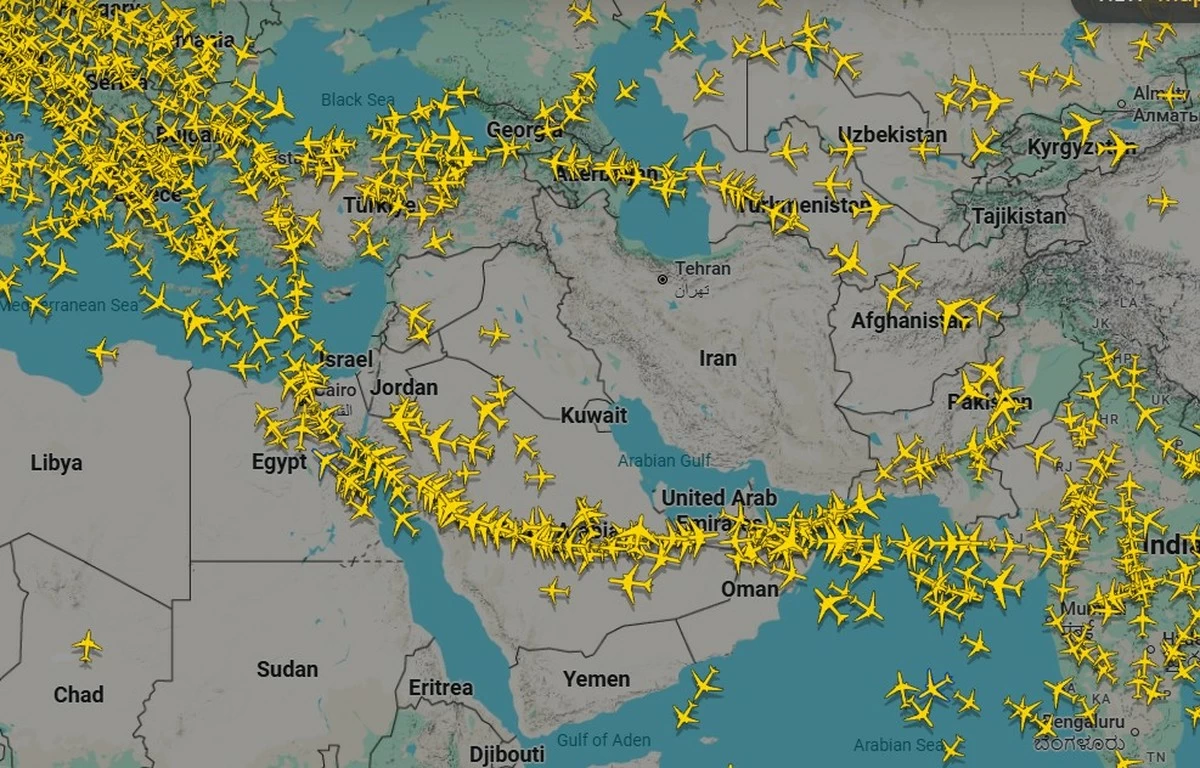
Meanwhile, travel agencies in Iran said they are unable to refund customers for canceled trips because airlines have not yet returned the funds, according to the national association. The group explained that most of the money passengers pay goes to airlines, leaving agencies that act only as intermediaries without the financial ability to reimburse travelers.
50 Days of Internet Blackout
Iran’s internet blackout entered its 50th day on Saturday, leaving the country largely disconnected from the global internet for seven consecutive weeks, according to internet monitoring group NetBlocks. The group said the disruption, now lasting more than 1,176 hours, is unprecedented for a connected society and continues to severely affect daily life, livelihoods, and fundamental human rights in Iran, while also restricting communication and access to information.
The development comes as Iran has announced the reopening of its airspace and a gradual resumption of flight operations, raising questions about how the country will manage broader connectivity challenges alongside efforts to restore normal travel services.