


07/04/2026

Share:
07/04/2026
Share:
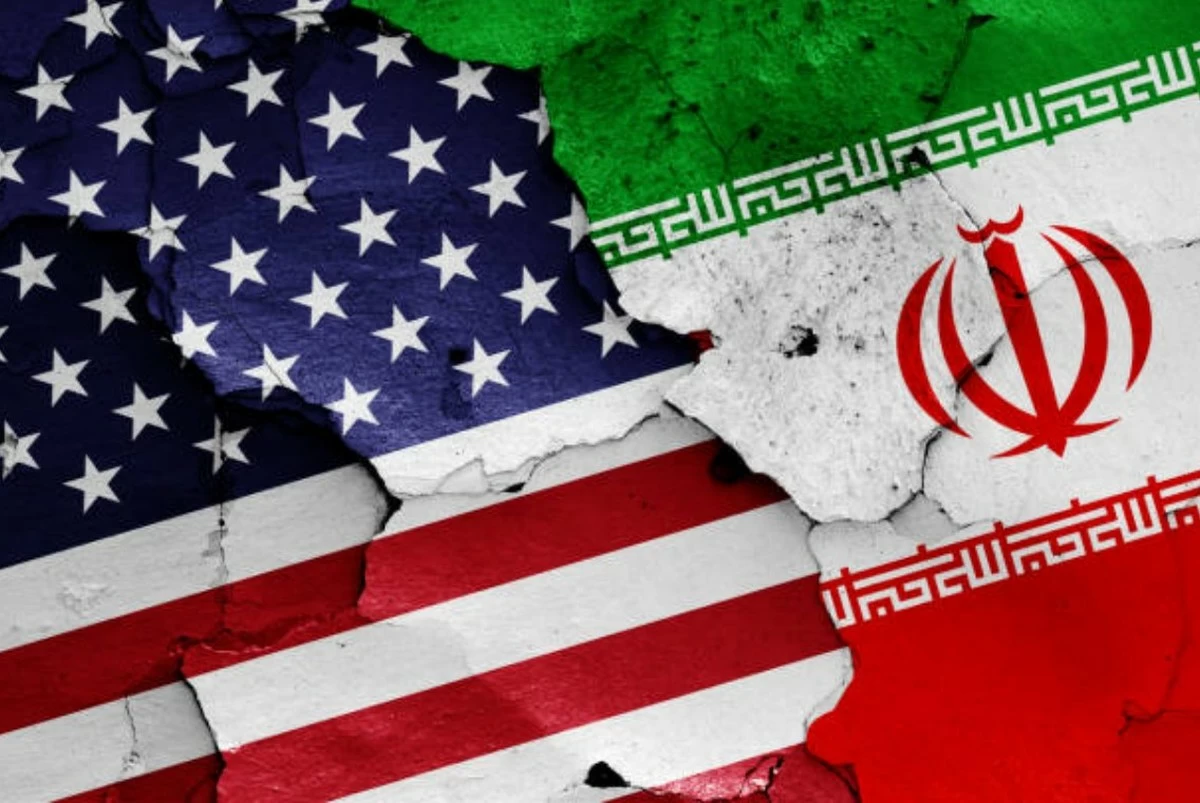

TEHRAN, Apr 7: Iran has rejected the idea of a temporary ceasefire with the United States, instead outlining conditions for entering negotiations on what it described as a “lasting peace.” The source said Tehran’s preconditions for talks include an immediate halt to U.S. and Israeli military strikes, firm guarantees that such attacks will not resume, and compensation for damages incurred during the conflict.
In addition, Iran is reportedly seeking new terms governing maritime transit through the Strait of Hormuz, a critical route for global oil shipments.
According to the source, Tehran is demanding transit fees for vessels passing through the waterway, with charges expected to vary depending on ship type, cargo, and prevailing conditions.
The reported stance underscores Iran’s hardening position amid escalating tensions, as diplomatic efforts face increasing challenges in securing even a temporary halt to hostilities.
Meanwhile, Iran’s paramilitary Islamic Revolutionary Guard Corps (IRGC) on Tuesday warned it could disrupt oil and gas supplies across the region for years if the United States follows through on threats of military action.
The warning comes amid rising tensions after U.S. President Donald Trump signaled possible strikes on Iranian infrastructure—including power plants and bridges—if Tehran does not reopen the Strait of Hormuz.
In a statement carried by multiple Iranian media outlets, the IRGC said it would “deprive the U.S. and its allies of the region’s oil and gas for years” if such attacks are carried out.
The force also issued a direct warning to Gulf Arab states, indicating a potential widening of the conflict.
“We have exercised great restraint and had considerations in choosing retaliatory targets, but from now on all these considerations have been removed,” the statement said.
The remarks signal a sharper escalation in rhetoric, raising concerns over potential disruption to global energy supplies and broader regional stability.