


30/07/2026

Share:
30/07/2026
Share:
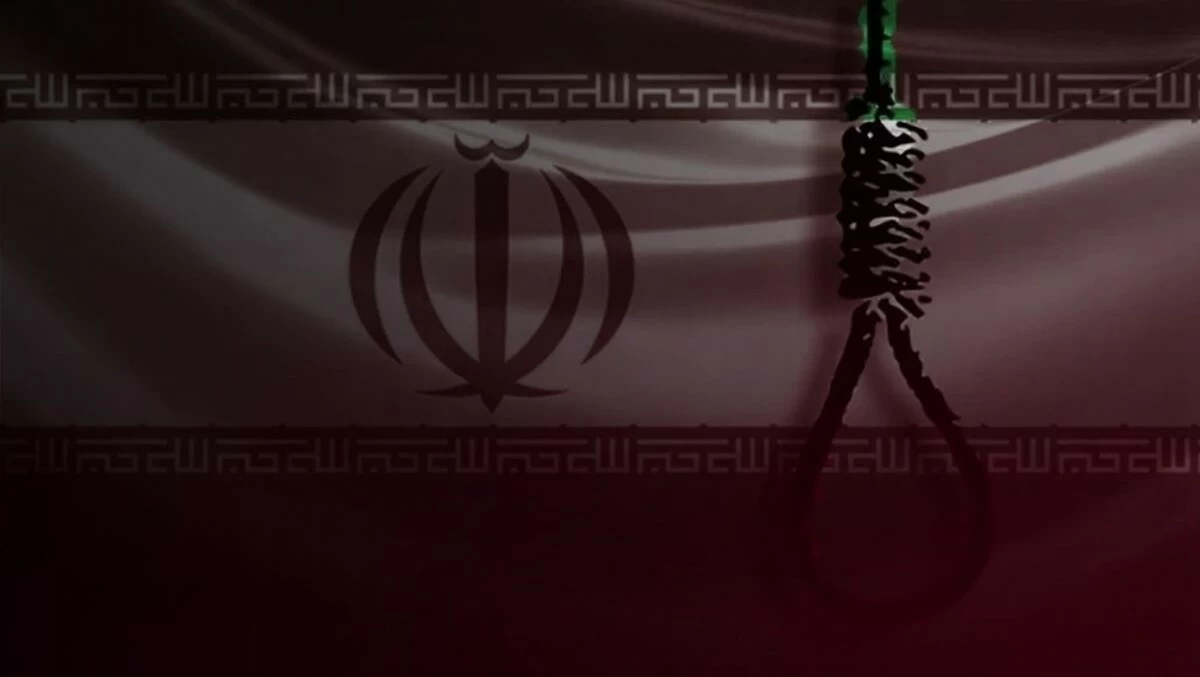

TEHRAN, July 30: Three prominent political prisoners held at Tehran’s Evin prison have accused Iran’s Islamic Republic of using the ongoing regional war as a cover to intensify domestic repression and executions, saying the authorities are attempting to rebuild their authority through a campaign of fear and punishment.
Abolfazl Ghadyani, a veteran official from the era of the Islamic Revolution who later became a prominent critic of the Iranian establishment; human rights lawyer Mohammad Najafi, who was jailed after exposing the death of a protester in custody; and Iranian-American journalist Reza Valizadeh, a former Radio Farda contributor, issued the joint statement from Evin prison.
The three prisoners accused the government of accelerating executions to take revenge on defenseless citizens following what they described as military setbacks against international adversaries.
“The corrupt regime of the Islamic Republic has once again turned war into a license to kill citizens,” they said in the statement, adding that whatever remained of the government’s “hollow authority” after battlefield setbacks was now being rebuilt “on the gallows.”
Prisoners accuse authorities of using executions to restore authority
The signatories said the execution of protesters following what they described as show trials was not an effort to administer justice, but rather an attempt by the government to regain control through fear.
They described the executions as “begging for authority on a path of blood” and accused the authorities of using ordinary citizens as targets for anger and frustration that the government could not direct toward the United States and Israel.
The prisoners also sharply criticized Iran’s leadership, referring to what they called the “hereditary regime” of Mojtaba Khamenei and accusing him of continuing the policies and alleged abuses associated with his father.
They said Iran’s political and military-security establishment, unable to resolve the country’s serious economic and social problems, was increasingly relying on what they called a triad of “execution, crackdown, and imprisonment” to maintain control over the population.
Isfahan executions spark anger
The statement came after the executions of two young protesters, Amirhossein Safari and Abolfazl Sepahi, who were hanged in Isfahan early Tuesday amid a heavy security presence around Alikhani Square.
Safari and Sepahi were among 12 defendants convicted in the Alikhani Square case, which stemmed from clashes during protests in January.
Their executions brought to four the number of people sentenced to death in the case who have been executed. Golmohammad Mohammadi and Erfan Esfandiari were hanged on July 19.
Eight other defendants in the case remain under death sentences.
The executions in Isfahan triggered widespread grief, anger and public defiance in Iran and among Iranians abroad. Witnesses reported crowds gathering near Alikhani Square overnight despite the presence and intimidation of security forces.
Messages circulating on social media described the executions as an act of repression that had strengthened public anger rather than silenced dissent.
UN human rights experts, led by Special Rapporteur Mai Sato, had urged Iranian authorities on Monday to halt the executions. They warned that closed-court trials and the use of televised confessions violated basic international legal standards.
Growing concern over executions in Iran
The statement from Evin prison comes amid what rights groups and civil society figures describe as a broader increase in executions and death sentences in Iran over the past year, particularly following the January protests and the escalation of regional conflict.
According to data compiled by Iran International, the Iranian judiciary has executed more than 50 political prisoners since the beginning of the current Iranian year, while dozens more remain at risk of execution.
Amnesty International has also warned of an expanding use of the death penalty in Iran, reporting that at least 60 people face imminent execution, including three people who were under the age of 18 at the time of their alleged offenses.
Rights organizations and civil society leaders have repeatedly called on Iranian authorities to halt executions and ensure defendants receive fair trials.
The three Evin prisoners warned in their statement that no government can achieve lasting security or legitimacy through what they described as the “accumulation of corpses and a fear production line.”
They concluded by warning that unless the ruling establishment responds to the will of the Iranian public, the country risks becoming increasingly “ruined.”