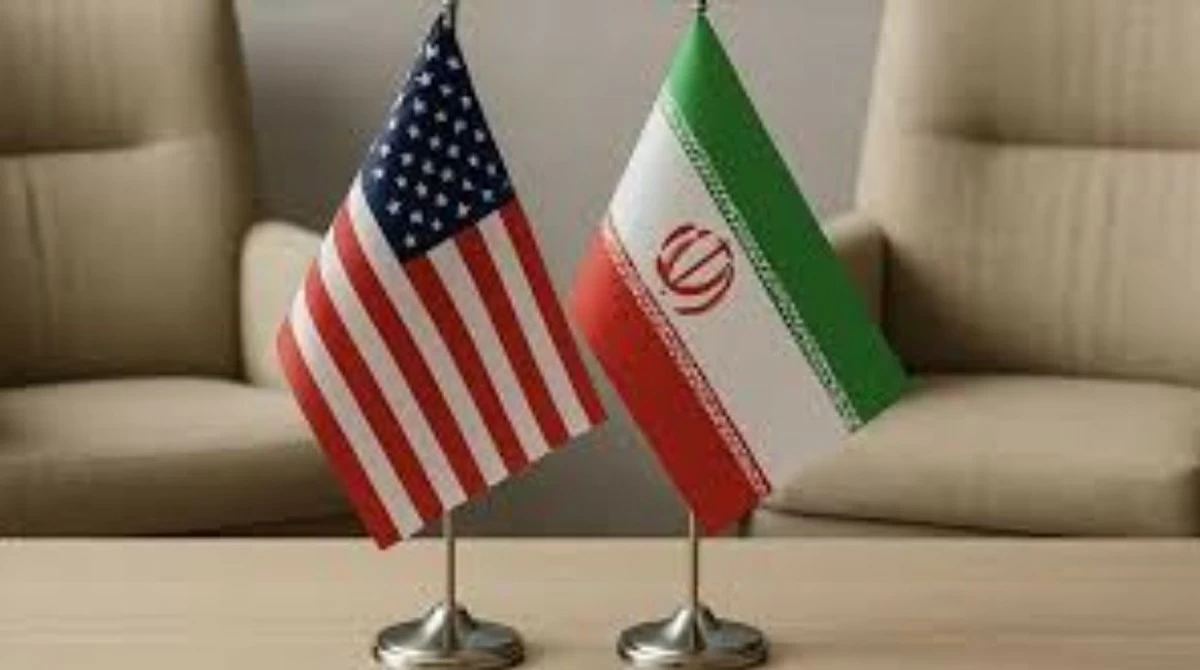
ISLAMABAD, (AP) Mar 25: Iran received a 15-point proposal from the U.S. to reach a ceasefire in the war, two Pakistani officials said on Wednesday.
The Pakistani officials described the proposal broadly as touching on sanctions relief, civilian nuclear cooperation, a rollback of Iran’s nuclear program, monitoring by the International Atomic Energy Agency, missile limits and access for shipping through the Strait of Hormuz, the narrow mouth of the Persian Gulf.
The officials spoke to The Associated Press on condition of anonymity as they weren’t authorized to release the details.
Iran has insisted it isn’t engaged in negotiations with the U.S. and a military spokesman mocked America over its diplomatic efforts on Wednesday.
Meanwhile, an Egyptian official involved in mediation efforts between Iran and the United States described the 15-points put forward by the Americans as “like a comprehensive deal” to reach a ceasefire in the war.
The official said the proposal includes restrictions on Iran’s missile program and its arming of armed groups, as well as allowing traffic to flow through the Strait of Hormuz, the narrow mouth of the Persian Gulf.
However, the proposal “is being treated” as a base for further negotiations between the nations, added the official, who spoke on condition of anonymity to discuss the yet-publicized details of the proposal.
He said Iranian officials remain “very skeptical” of the Trump administration.
The official likened the 15-point plan to Gaza ceasefire’s 20-point plan, meaning it requires “immense efforts to hammer out the details if there is an agreement from both sides to sit down and negotiate.”
Mediators were pushing for a possible in-person negotiation between the Iranians and the Americans, perhaps as soon as Friday in Pakistan, according to the Egyptian official and the two Pakistani officials who shared that the proposal had been submitted to Iran.
However, that would require the Americans to immediately start traveling from the U.S. to reach there in time.
Iranian officials likely remain worried about the Israelis, whose airstrikes in the war have killed officials up to Supreme Leader Ayatollah Ali Khamenei.