


26/03/2026

Share:
26/03/2026
Share:
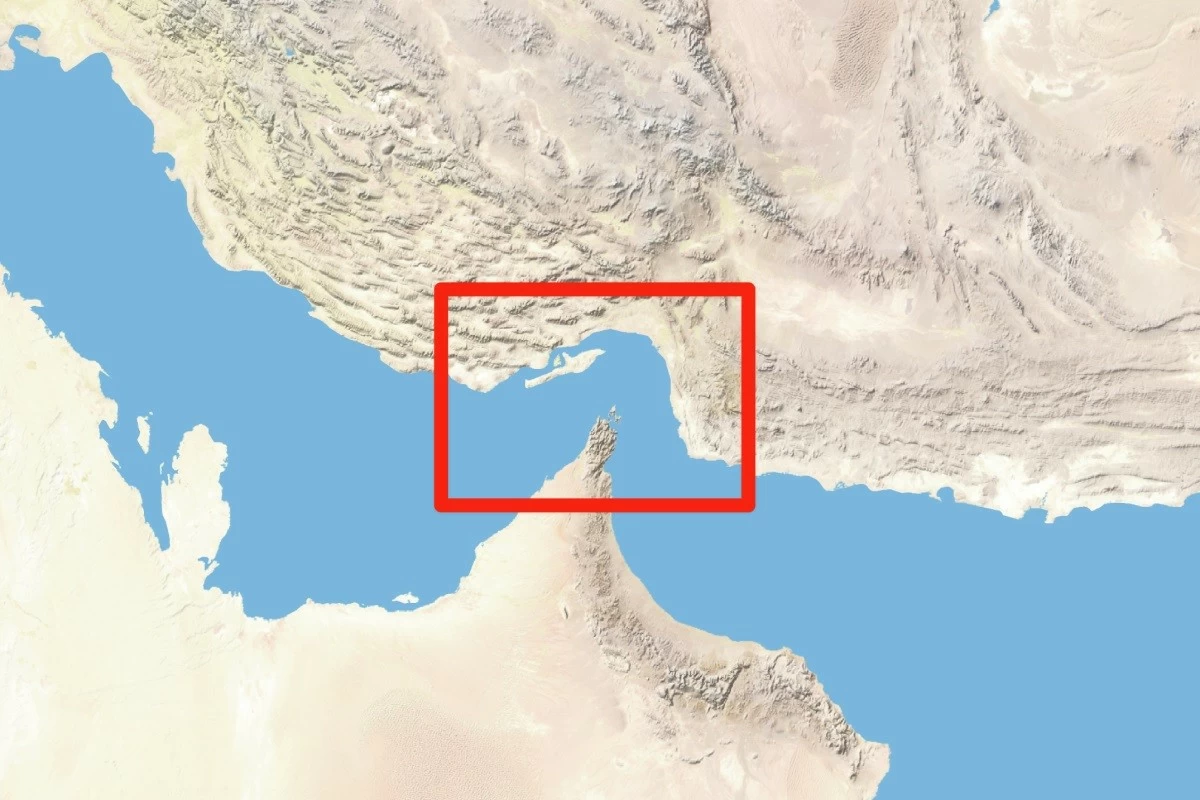

DUBAI, (AP) March 26: Iran is effectively running a “de facto toll booth regime” in the Strait of Hormuz by controlling vessel movement and obtaining payments for safe passage, according to a new analysis by a leading shipping intelligence firm.
In a report published Thursday, Lloyd’s List Intelligence said ships transiting the critical waterway are required to submit detailed manifests, crew information, and destination data, which is then reviewed by Iran’s Islamic Revolutionary Guard Corps.
The report stated that the information is processed through the Guard’s “Hormozgan Provincial Command” for sanctions screening, cargo verification—particularly prioritizing oil shipments—and what it described as “geopolitical vetting.”
While most vessels are not confirmed to be paying a direct toll, the analysis claimed that at least two ships have made payments, reportedly settled in Chinese yuan.
Such transactions, the report noted, could potentially violate Western sanctions imposed on the IRGC, which is a powerful branch of Iran’s military establishment and oversees its ballistic missile program.
Iran has not publicly detailed the mechanism governing ship transit through the Strait, although a Foreign Ministry spokesperson has previously acknowledged that Tehran receives payments in certain cases.
Separately, regional rhetoric over the strategic waterway has intensified amid ongoing tensions. Sultan Al Jaber, who heads the Abu Dhabi National Oil Company, warned that any weaponization of the Strait would have global economic consequences.
“Weaponizing the Strait of Hormuz is not an act of aggression against one nation. It is economic terrorism against every consumer,” he said, adding that disruption to the waterway would affect energy prices, food costs, and global supply chains.
The Strait of Hormuz remains one of the world’s most important oil transit routes, making any disruption a major concern for global energy markets.