


04/08/2026

Share:
04/08/2026
Share:
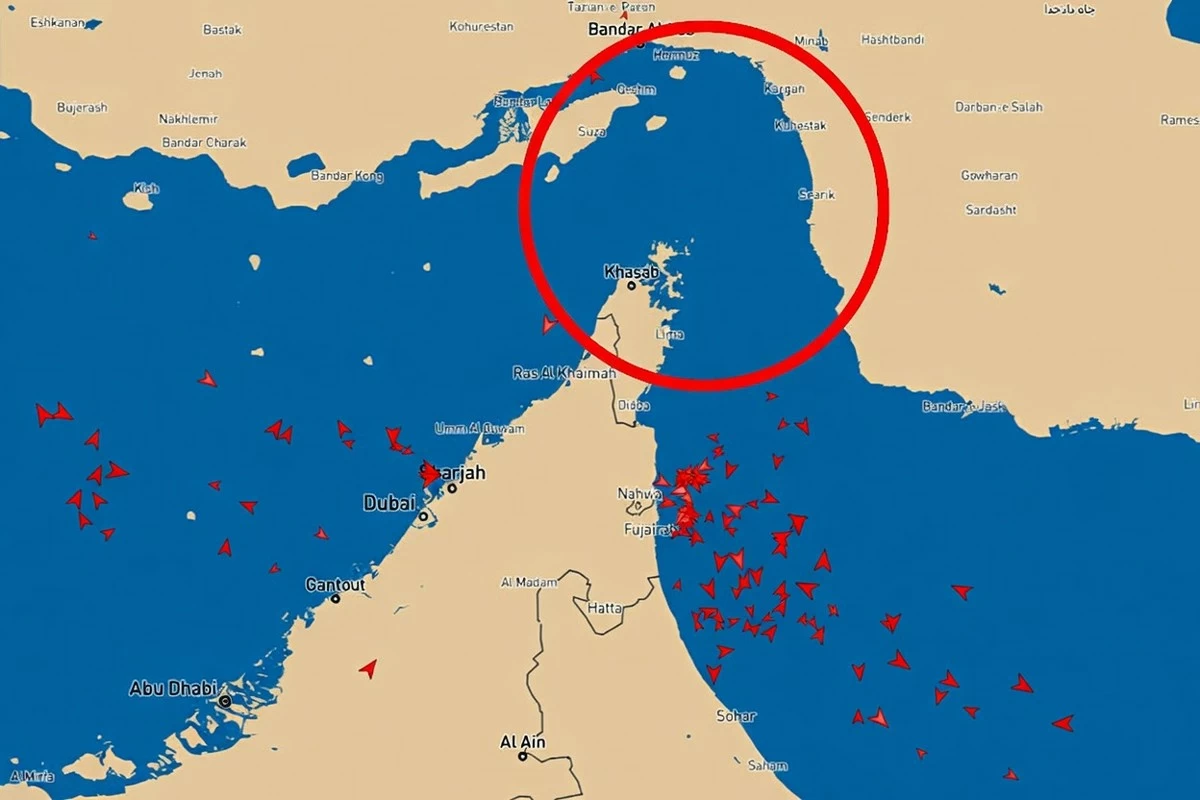

DUBAI, Aug 4: Iran and Oman are discussing a temporary arrangement to manage commercial shipping through the Strait of Hormuz that would give Tehran control over inbound vessels while Oman oversees outbound traffic, according to a senior Iranian source cited by Reuters.
The source said the proposed plan would place ships entering the Gulf on a shipping route controlled by Iran, with Tehran overseeing inbound maritime traffic through the strategic waterway.
Under the reported arrangement, vessels leaving the Gulf would travel through a separate outbound shipping lane located between Iran and Oman. Oman would be responsible for clearing departing ships after notifying Iranian authorities, the source said.
"The temporary Hormuz plan under discussion with Oman gives Tehran full control over inbound shipping," the Iranian source told Reuters.
The proposal follows a report by The New York Times on Monday that Iran and Oman are close to reaching an agreement aimed at restoring normal commercial maritime traffic through the Strait of Hormuz after months of regional tensions.
According to the report, ships entering the Gulf would use a channel near Iran's coastline, while outbound traffic would pass through a route closer to Oman.
Iranian officials quoted by The New York Times said the arrangement would not impose tolls on commercial vessels but would include a "service fee" covering environmental protection, maritime security and staffing costs, with revenues to be shared equally between Iran and Oman.
However, a US official disputed that account, saying any temporary shipping routes through the strait would neither require Iranian approval nor involve tolls.
The report also said some senior Pentagon officials have expressed concern that the proposed arrangement could be viewed as a concession to Iran, while some Iranian officials questioned whether the agreement would effectively prevent future military escalation in the region.
The Strait of Hormuz is one of the world's most strategically important maritime chokepoints, with a significant share of global oil and liquefied natural gas exports passing through the narrow waterway each day. Any change to its navigation arrangements is closely watched by energy markets and the international shipping industry.