

20/10/2026

Share:
20/10/2026
Share:

TEHRAN, Oct 20: Iran has reiterated that it will not change its negotiating demands with the United States, even as Qatar and Pakistan reportedly put forward a compromise proposal offering Tehran access to interest accrued on $6 billion in frozen Iranian assets in exchange for nuclear inspections.
The proposal, reported Tuesday by Al-Araby Al-Jadeed, is aimed at bridging differences between Washington and Tehran and preventing a renewed escalation. Sources cited by the newspaper said the plan had received US approval and a positive response from Iran.
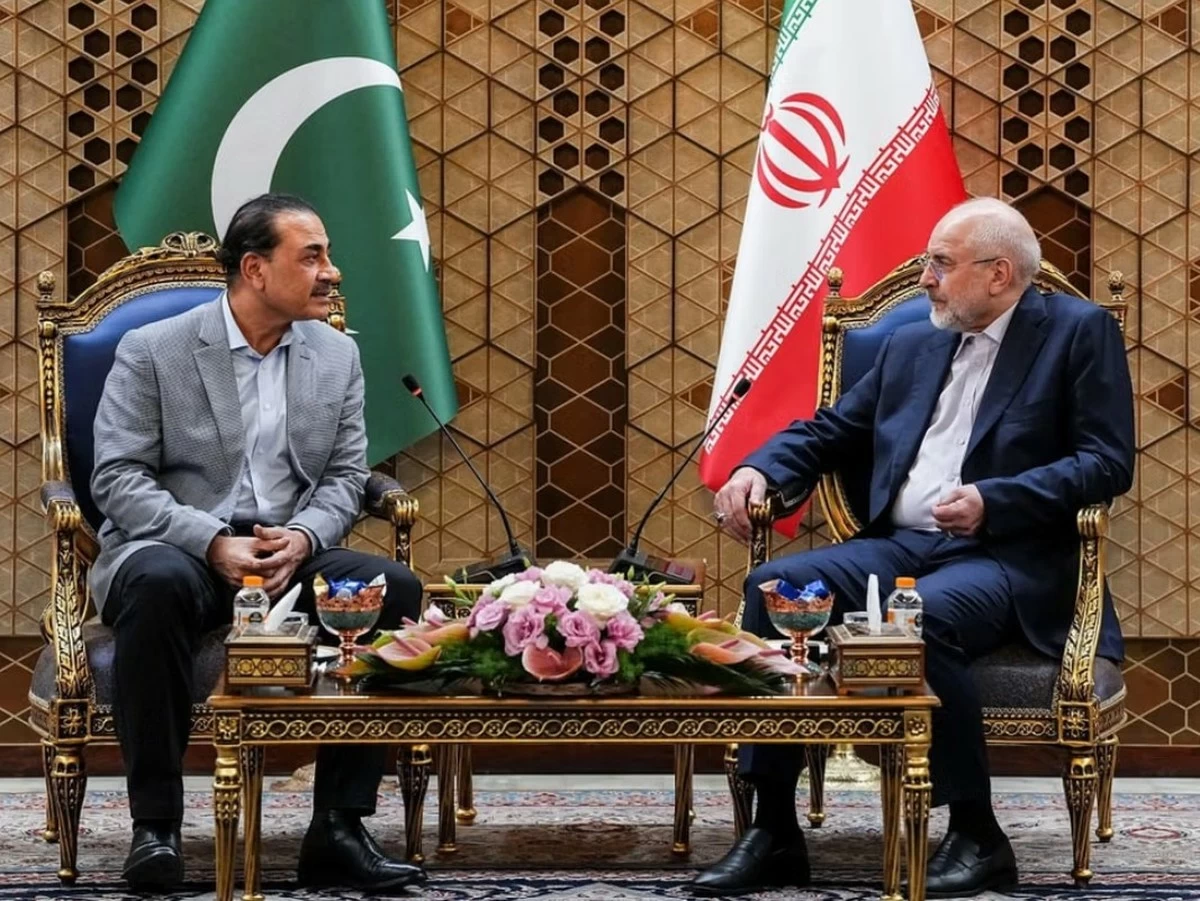
Pakistan's Army Chief Field Marshal Asim Munir reportedly conveyed the proposal to Iranian officials during his visit to Tehran on Tuesday.
According to reports on the mediation effort, the proposed arrangement would allow Iran to receive interest generated by $6 billion in Iranian funds held in Qatari banks, alongside confidential access for the International Atomic Energy Agency (IAEA) to Iranian nuclear facilities.
The proposal remains unconfirmed by the US and Iranian governments, and no final agreement has been announced.
Ghalibaf rejects changes to Iran's demands
Iranian Parliament Speaker Mohammad Bagher Ghalibaf, meanwhile, told Munir that Tehran had nothing new to offer Washington and that the United States must meet seven conditions presented by Iran in New York to rebuild trust, according to Iran's parliamentary news agency ICANA.
Ghalibaf said Iran's position remained unchanged and accused the administration of US President Donald Trump of violating the Islamabad memorandum, the report said.
He added that US military threats and movements would not influence Iran's strategic decisions.
The discussions also addressed Pakistan's role as a mediator between Tehran and Washington, as Islamabad seeks to revive diplomatic efforts and prevent a further deterioration in relations.
Munir also said the Iran-Pakistan border had reopened on Tuesday after temporary technical problems disrupted crossings, according to the ICANA report.
The reported proposal and Ghalibaf's remarks highlight the challenges facing mediation efforts: while regional intermediaries are seeking a compromise on frozen funds and nuclear oversight, Tehran continues to insist that Washington fulfil its existing commitments and conditions.
Whether the proposed financial arrangement and nuclear inspections can lead to renewed negotiations remains uncertain.