


17/06/2026

Share:
17/06/2026
Share:
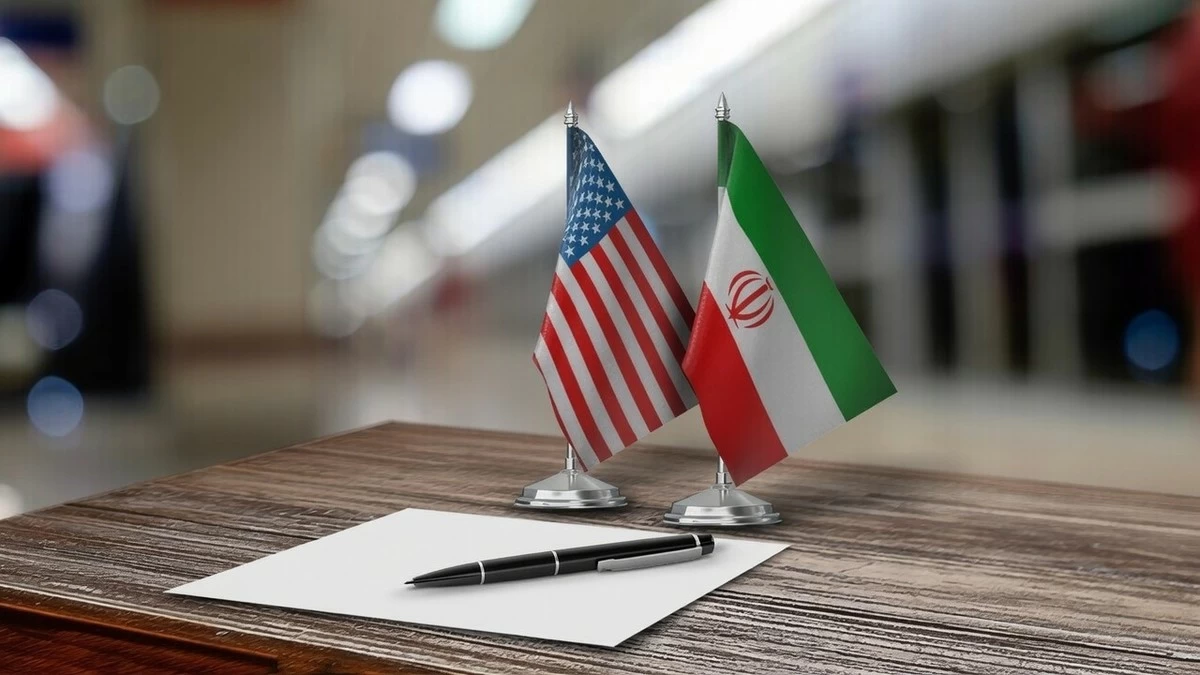

TEHRAN, Jun 17: An Iranian lawmaker on Wednesday said the officially released text of the US-Iran memorandum was identical to a draft that had sparked criticism among opponents in recent days, arguing that the concerns raised by critics of the agreement remained unresolved.
Mahmoud Nabavian said the published document was “exactly the same” as the earlier version circulated among critics, suggesting that the issues they had warned about were still present.
His remarks came after the United States released the 14-point memorandum outlining a framework for ending hostilities, reopening the Strait of Hormuz, easing sanctions and beginning broader negotiations between Washington and Tehran.
Meanwhile, Iranian Parliament Speaker and head of the country’s negotiating delegation, Mohammad-Bagher Ghalibaf, described the recent conflict with the United States and Israel as a victory for Iran, saying Tehran had prevented Washington and Jerusalem from achieving their objectives.
“The recent war was a war between the front of truth and falsehood,” Ghalibaf said in remarks broadcast on Iranian state television.
“We did not allow the United States and Israel to achieve the nine goals they set out from the start of the war,” he added, without providing details of those goals.
Ghalibaf said Iran’s approach to negotiations was based on what he called “diplomacy of power,” arguing that talks themselves could serve as a form of resistance.
“When I talk about negotiation and diplomacy, I mean diplomacy of power,” he said, adding that he supported negotiations that were “a form of struggle.”
The Iranian parliament speaker also reiterated his distrust of the United States, saying he was among those most skeptical of Washington’s intentions.
“I am the person who distrusted the United States the most,” Ghalibaf said, adding that he had told US Vice President JD Vance that he had “not the slightest trust” in him.
The comments highlight divisions inside Iran over the agreement, with supporters presenting it as a strategic outcome while critics continue to question its terms and potential implications for Tehran’s nuclear programme, regional policies and future relations with Washington.