


05/04/2026

Share:
05/04/2026
Share:
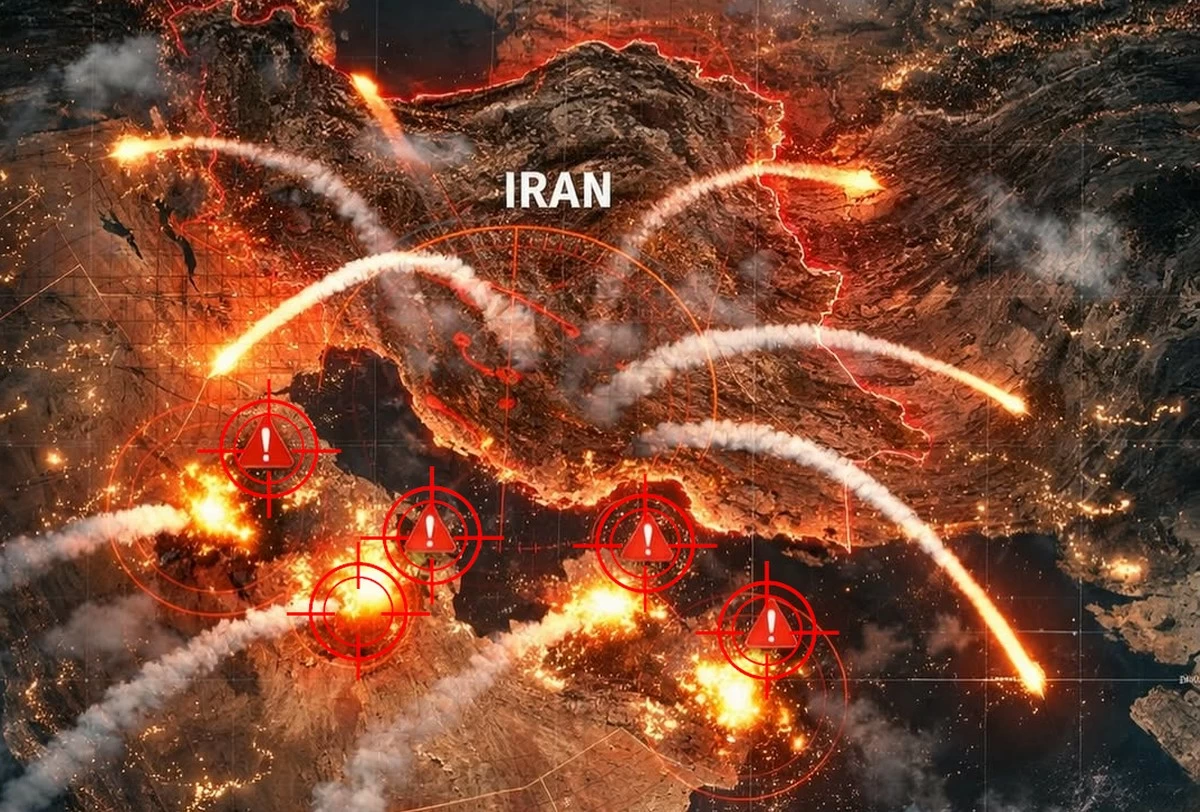

WASHINGTON, Apr 5: The Gulf Cooperation Council (GCC) states have borne the overwhelming share of missile and drone attacks since the escalation of the conflict involving Iran, according to regional figures and reports.
Since Feb. 28, GCC countries have been hit by 4,391 Iranian missile and drone attacks, accounting for 83% of the total launched, while Israel has been targeted by 930 strikes, or 17%, during the same period.
The UAE has been the most affected, reportedly facing 2,156 attacks, with incidents impacting locations including Dubai International Airport, Jebel Ali port, Palm Jumeirah and the Burj Al-Arab area. Saudi Arabia has recorded 723 attempted strikes, with several intercepted drones and missiles aimed at Riyadh and key energy infrastructure. Also, Kuwait's cumulative interception of 709 drones, 327 ballistic missiles, and 9 cruise missiles since the escalation began, according to official data published through local reporting. The aerial threat campaign has repeatedly targeted key national infrastructure, including Kuwait International Airport, oil refineries, the Ministries Complex, Kuwait Oil Company (KOC) headquarters, the Public Institution for Social Security, as well as critical power generation and desalination plants. While air defence systems intercepted most incoming projectiles, the sustained wave of attacks has placed significant pressure on vital economic and public service facilities across the country.
Other GCC states, including Bahrain, Qatar, and Oman, have also reported incoming missiles or drones, most of which were intercepted by air defense systems. Oman has additionally reported strikes on oil and civilian infrastructure since early March.
Regional officials say most projectiles were neutralized before impact, though there have been casualties and damage in some locations, particularly from debris from intercepted missiles.
Iran maintains that its operations target military sites linked to US forces, but Gulf states and analysts argue that civilian infrastructure has been increasingly affected.
In response, GCC states and Jordan have condemned the attacks, calling them violations of sovereignty and international law, and reaffirmed their right to self-defense under the UN Charter.
As tensions rise, the Gulf region remains on high alert, with air defense systems under sustained pressure from continued drone and missile activity.