


28/03/2026

Share:
28/03/2026
Share:

KUWAIT CITY, March 28: Several economic questions were raised, as the fourth week of the American-Israeli war against Iran draws to a close. Does Iran have the right to impose fees on tankers, as it announced recently? What will be the impact of the war on the budget of Kuwait, which will start on April 1? What is the solution to the upcoming budget deficit? Economic expert Ahmad Al-Sadhan answered these questions and others in an exclusive statement to the newspaper.
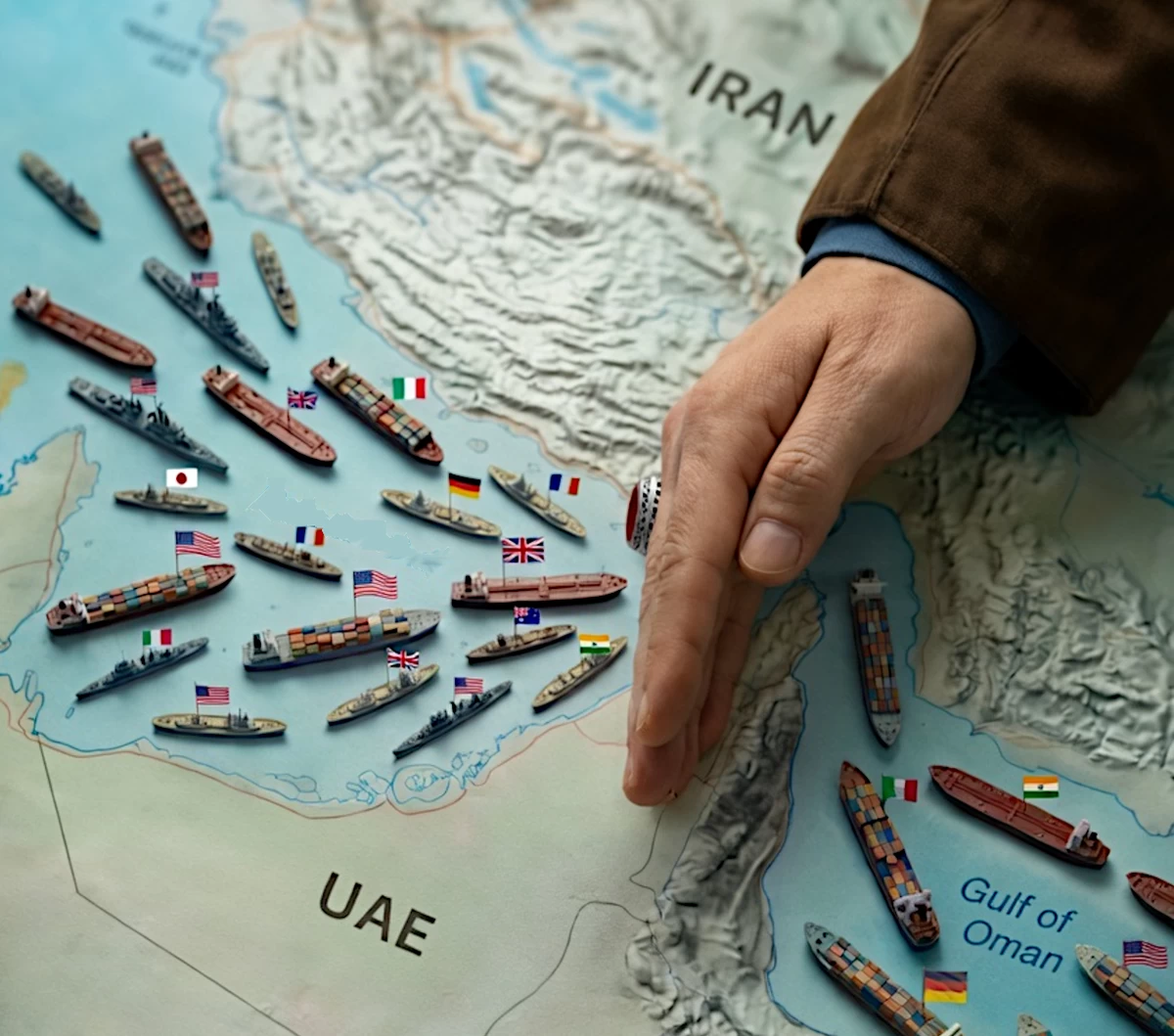
He affirmed that Iran has no right to impose fees for passage through the Strait of Hormuz, according to the United Nations Convention on the Law of the Sea (UNCLOS), which guarantees the right of passage. He expressed surprise at Iran’s de facto imposition of fees – around $2 million per ship without justification.
He stressed that the international community rejects this measure, as it is a violation, especially since the Strait of Hormuz closure led to a remarkable increase in maritime shipping costs and insurance premiums. He pointed out that the halt in Kuwaiti oil production due to the ongoing war will negatively impact the Kuwaiti economy.
He said the annual budget of Kuwait, which will start on April 1, will lose a significant portion of its public revenues as per the estimate of the International Monetary Fund (IMF). He asserted that such a decline in revenues will lead to a huge budget deficit.
He added that covering the budget deficit, if the war continues for several months, necessitate drawing from the reserves of Kuwait Investment Authority (KIA) to cover essential expenditures, including salaries and vital obligations. He indicated that the crisis has not only affected Kuwait economically, because its effects extended to global markets, which will witness further inflation, particularly since halting the export of refined petroleum products from Gulf refineries resulted in a surge in global fuel prices. He said the worst problem caused by the closure of the Strait of Hormuz is the disruption of global air traffic and shipping.
He warned that global inflation rates will continue to rise as the current crisis persists. He continued stating that it is imperative to secure alternative routes, regardless of the cost, while advocating for stronger coordination among the Gulf Cooperation Council (GCC) nations to integrate the oil sector through a pipeline network resilient to global crises.
He stressed that the current crisis showed to the international community the enormous impact of halting Gulf oil supplies on the global economy as a whole. He underscored the need for Kuwait Petroleum Corporation (KPC) to reactivate its long-standing proposal to establish the land pipeline for the export of Kuwaiti oil through Saudi Arabia.
By Najeh Bilal Al-Seyassah/Arab Times Staff