


14/06/2026

Share:
14/06/2026
Share:
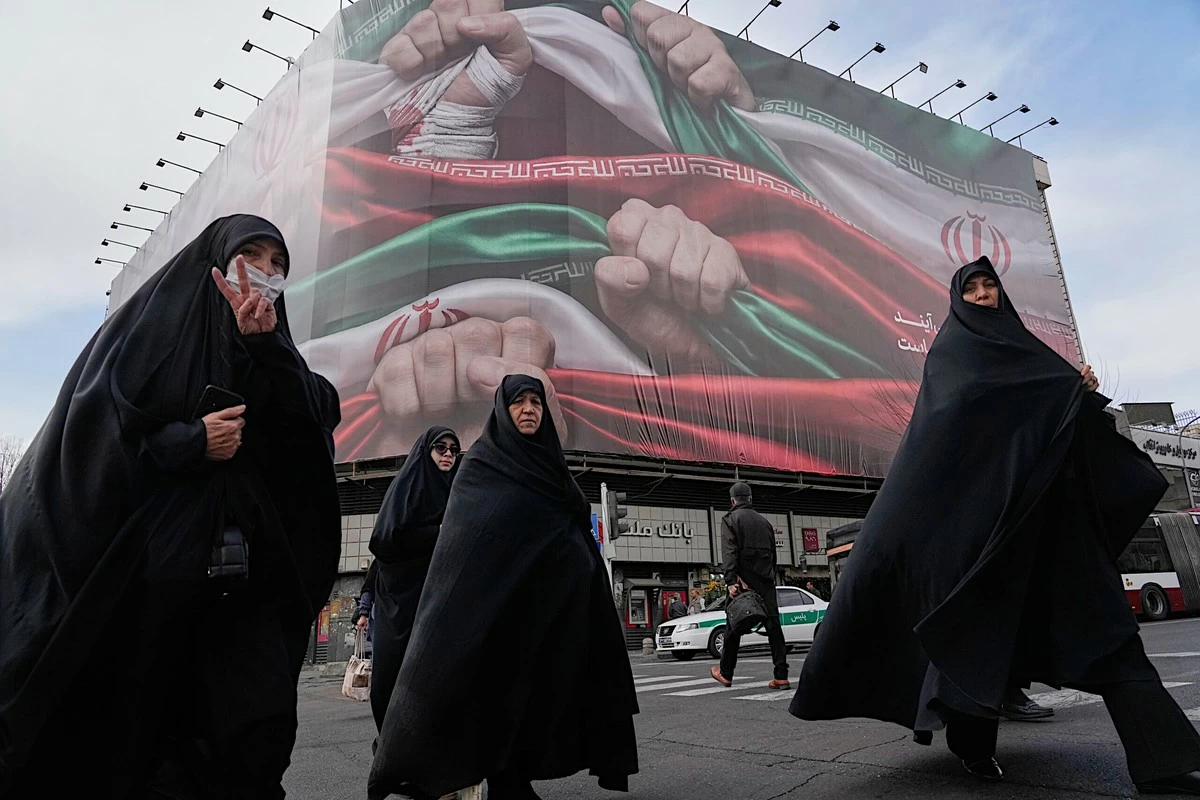

TEHRAN, June 14: Opposition to the emerging Iran-US agreement intensified on Saturday as hardline groups staged protests in Tehran and prominent conservative figures continued to criticize the negotiating team, describing the proposed deal as detrimental to Iran's interests.
During a rally in the Iranian capital, hardline demonstrators directed sharp criticism at Parliament Speaker Mohammad Bagher Ghalibaf and Foreign Minister Abbas Araghchi, both key figures associated with the negotiations. Protesters chanted slogans questioning the negotiators' actions and accusing them of compromising the country's principles.
Several demonstrators also questioned whether the talks had the backing of Iran's leadership, pointing to the absence of public comments from Mojtaba Khamenei regarding the negotiations. Placards carried by protesters suggested that his silence indicated a lack of endorsement for the ongoing diplomatic efforts.
The criticism was echoed by hardline lawmaker Seyed Mahmoud Nabavian, who reiterated his opposition to the proposed agreement. Nabavian said he had reviewed and publicly discussed the text of a potential deal with the United States and maintained that the agreement would represent an "absolute loss" for Iran.
The lawmaker said he welcomed official responses challenging his interpretation of the draft agreement and expressed readiness to participate in a public debate over its contents. He argued that the proposed terms fail to adequately protect Iran's interests and warned against accepting concessions in exchange for a deal.
The latest criticism highlights growing divisions within Iran's political establishment as negotiations with the United States appear to move closer to a potential agreement, with hardline factions increasingly voicing concerns over the direction and terms of the talks.