


14/01/2026

Share:
14/01/2026
Share:

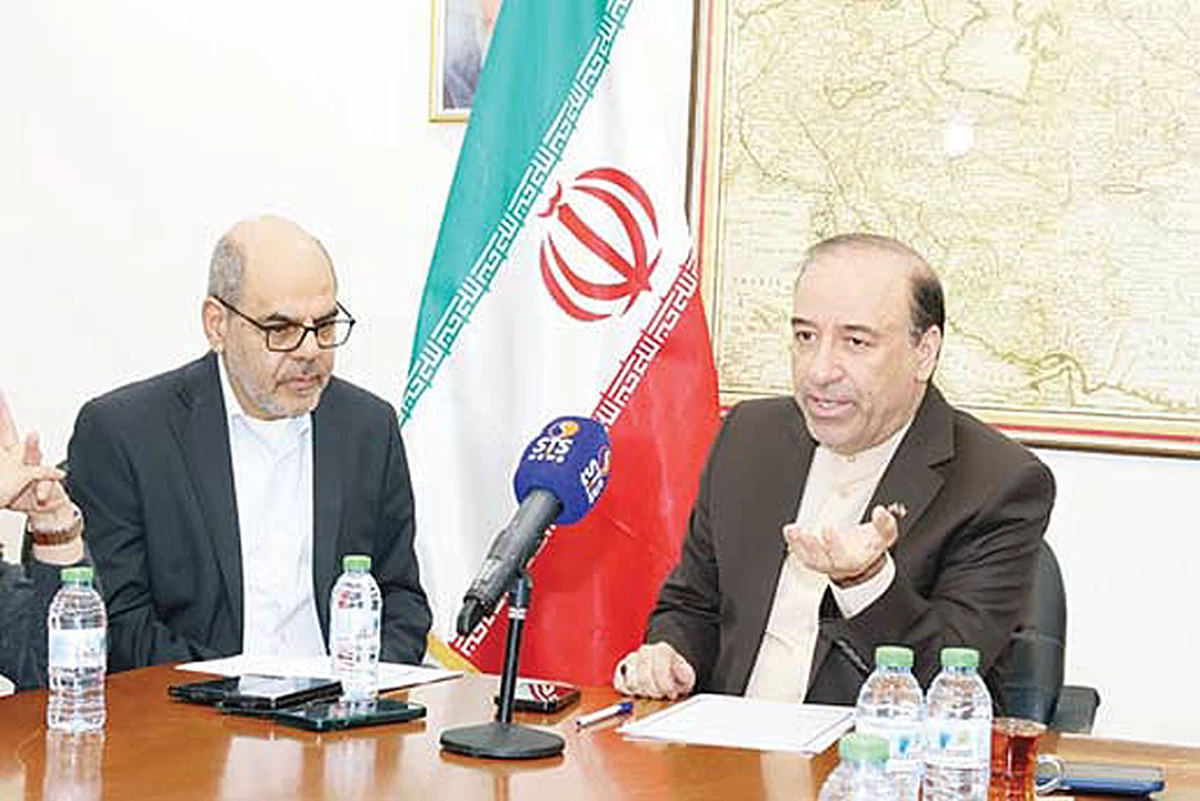
The protest gatherings, which began on Sunday, December 28, were motivated purely by economic demands. They were initially peaceful and orderly, with participants seeking to express their concerns in a calm manner without disrupting public order. Ambassador Toutounchi emphasized that the government of the Islamic Republic of Iran, through all its authorities and institutions, is closely monitoring and responding to these legal and peaceful demands, and working to address them within the framework of the law.
He affirmed that organizing peaceful gatherings is a legitimate right guaranteed by the Constitution and national legislation, and that Iran neither opposes such activities in principle nor in practice, adding that the country has established the necessary legal framework for these activities, in line with both its national laws and international human rights obligations. The ambassador stressed the importance of distinguishing between legitimate peaceful protests and acts of rioting or violence. He explained that the state is committed to protecting citizens’ right to peaceful expression, but it also has a legal and security responsibility to maintain public order and safeguard lives and property. The rights of millions of peaceful Iranians cannot be undermined or restricted by the violent actions of a small group of lawless individuals. Ambassador Toutounchi outlined the progression of events in four distinct phases.
Despite a decline in the level of violence, Ambassador Toutounchi noted that Western backing for the disturbances continued. He pointed to American media outlets and research centers publishing editorials and reports advocating for expanded economic, political, and security pressures on Iran, as well as support for the protests through various means. The ambassador explained that field investigations and confessions from participants had uncovered serious incidents, including murder, arson, and widespread destruction of public and private property, attacks on mosques, government centers, ambulances, and fire trucks, as well as the seizure of more than 1,300 weapons and evidence of payments made in exchange for carrying out acts of sabotage. The methods used in these incidents bore the hallmarks of terrorism, similar to tactics employed by extremist organizations.
Ambassador Toutounchi affirmed that Iranian authorities would continue addressing these acts according to the law, ensuring the security and stability of the country and protecting the rights of its citizens. In response to continued US threats of military action against Iran, he stated that the inflammatory rhetoric from certain parties represents a clear example of resorting to violence, and constitutes a blatant violation of international laws and conventions, particularly coming from countries that are United Nations members. Warning that such statements highlight the ongoing international indifference toward these violations, Ambassador Toutounchi stressed that permitting these statements to circulate and treating them as normal poses a direct threat to international peace and security. He emphasized that the Islamic Republic of Iran, in accordance with the UN Charter, will respond firmly and appropriately to any aggression while making clear that Iran does not seek to create tension or escalate the crisis.
Ambassador Toutounchi highlighted that Iranian policy is based on resolving disputes through diplomatic means and upholding the principle of mutual respect among nations. He stressed that Tehran does not depend on any single party, but prioritizes the Iranian people and their resilience, while also utilizing the capabilities and cooperation of its friends and allies. The ambassador noted that Iran has recently proven its ability to remain steadfast despite challenges, and he expressed hope that all countries will take clear stances regarding the hostile statements issued by the US president and the Israeli prime minister, viewing these statements as harmful to regional stability. Regarding the possibility of Iran targeting US interests in neighboring countries in the event of military action, Ambassador Toutounchi stated that Iran trusts the wisdom of regional leaders and their ability to make balanced decisions. He noted that the positions of these countries in recent weeks have generally reflected a commitment to maintaining regional stability and expressed confidence that this reasoned and restrained approach will continue.
Regarding coordination with regional states, the ambassador said the Iranian foreign minister has held discussions with several counterparts over the past two days, indicating that these contacts will continue in the coming period to help reduce tensions and contain potential crises in the region. Ambassador Toutounchi disclosed significant findings from investigations into recent incidents, including confessions that revealed acts of murder, arson, widespread destruction of public and private property, and attacks on mosques, government buildings, ambulances, and fire trucks. He explained that authorities seized more than 1,300 weapons and uncovered evidence of payments made for acts of sabotage. The methods used in these incidents resemble those of extremist organizations and bear the hallmarks of terrorism. The Iranian government will continue to deal with these actions within the framework of the law to protect national security, stability, and the rights of its citizens. Ambassador Toutounchi discussed the possibility of European Union mediation to bridge the divide, emphasizing a prominent feature of the current situation, which is the diminished influence of Europe in addressing regional and international issues, indicating that this decline has negatively affected the routes toward political resolutions. He stressed that the sanctions targeting Iran are primarily tools of political pressure rather than measures motivated by humanitarian considerations. Ambassador Toutounchi noted that the true nature of these policies has become increasingly clear to the international community. He attributed much of the recent unrest in Iran to the economic sanctions, which have severely affected the value of the Iranian currency.
Ambassador Toutounchi explained that the Iranian government, in order to mitigate the effects of the collapsing currency and improve living conditions, has implemented several measures. These include supplying food baskets, controlling the import of essential goods using the official exchange rate, and paying citizens the exchange rate difference in cash. These steps have contributed to stabilizing the exchange rate but the current economic situation requires difficult decisions. Regarding foreign policy, Ambassador Toutounchi confirmed that consultations are ongoing with several regional countries for a potential mediating role. He also affirmed that Iran is open to dialogue with the United States, provided such discussions are serious and based on Washington’s commitment to recognizing the rights of the Iranian state. In conclusion, the ambassador highlighted the screening of a documentary film, which was attended by foreign officials and diplomats, detailing the operations of specific terrorist groups and organizations. He emphasized that the film demonstrates the significant degree of foreign interference and the ongoing efforts to destabilize the country.