



05/05/2026

Share:
05/05/2026
Share:
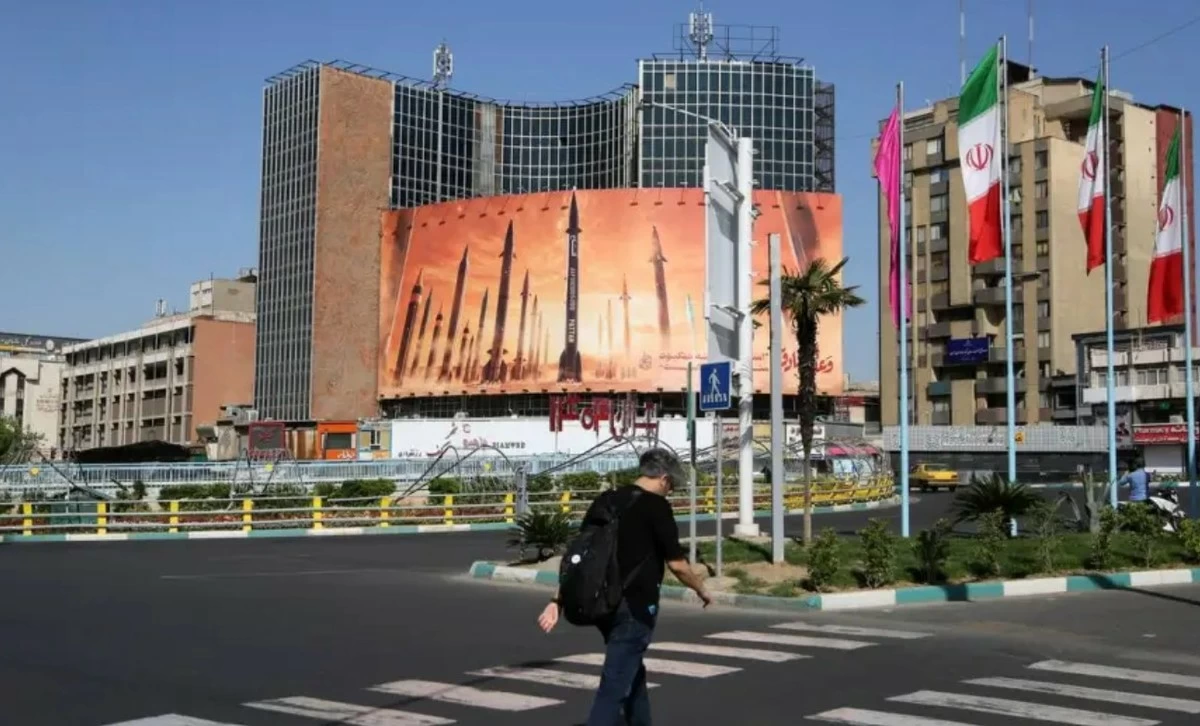

TEHRAN, May 5: Iran’s Central Bank Governor Abdolnaser Hemmati said on Tuesday that some traders are exploiting wartime conditions to profit from market instability, describing current price levels as “unacceptable.”
“Some are exploiting the conditions created by the war, but the necessary management to control the situation is underway and this situation will be brought under control,” Hemmati said.
Iranians Report Worsening Economic Conditions
Iranian citizens have reported worsening living conditions, including layoffs, unpaid wages, and sharply rising food and healthcare costs, in messages shared with Iran International. Labor market data and local media reports suggest a widening employment crisis following the ceasefire.
One resident said basic food items have become unaffordable, stating: “We do not know how we can go on with these prices. Yesterday I bought two sausages. It cost 1 million rials,” an amount equivalent to about 60 cents.
Economic pressure has intensified as Iran’s minimum wage has fallen below $90, while the national currency, the rial, continues to depreciate, reaching a new low this week.
Another report indicated that workers at a glass factory have not received their March salaries and that supplementary insurance benefits have been cut.
Many citizens linked the deterioration to factory closures after the ceasefire, shortages of raw materials, and rising rents.
“Since the ceasefire, most factories have shut down, especially in industrial estates. Everyone has become unemployed due to shortages of raw materials. Daily goods have become more expensive, deposits and rents have increased, and medical and drug costs have surged,” one message said.
Rising Job Demand on Service Platforms
The daily newspaper Shargh reported a sharp increase in registrations on the home-services platform Achareh in late April compared to the same period last year, particularly in low-entry jobs such as cleaning and catering.
According to data cited by Shargh:
● Cleaning and catering registrations rose 239%
● Electrical work increased 220%
● Plumbing rose 176%
● Cooling services increased 150%
● Building maintenance grew 140%
Achareh CEO and co-founder Bahman Emam said overall job registrations had increased by 30%.
“We witnessed widespread layoffs this year, and it seems a significant share of applicants are seeking their first job,” Emam said.
The report also noted that some workers who had previously left the platform for traditional markets are now returning, while others struggling with high living costs in Tehran are relocating and reactivating their profiles in other cities.
Experts Warn of Deepening Labor Crisis
Economic journalist Ashkan Nezamabadi, speaking from Berlin, warned that Iran’s labor market is entering a critical phase.
He said one of the country’s major job platforms recorded 318,000 new job applications in a single day, describing it as a record high. At the same time, he noted that available job opportunities have dropped by nearly 80 percent.
“These changes clearly show something is breaking in the labor market,” Nezamabadi said.
He added that economic losses and internet disruptions are further worsening the situation.
Government plans to issue loans of 220 million rials (about $120) per worker, he said, are unlikely to prevent layoffs or create sustainable employment. He suggested that direct support to consumers would be more effective in sustaining demand.
Wages Fall Far Below Living Costs
Iran’s Labor News Agency (ILNA) reported that the cost of a basic household living basket has reached 713 million rials (about $385), up from 450 million rials (about $240) earlier this year.
Labor activist Faramarz Tofighi said even the earlier estimate was unrealistic, noting that wages cover less than 60% of basic living costs.
“The same unrealistic 450 million rial basket has now reached 713 million rials,” he said.
ILNA reported that the minimum wage, including benefits, has fallen to about $88 due to currency depreciation, leaving many workers unable to afford rent, food, and necessities. Some workers said meat and rice have been removed from household diets, with families struggling even to afford staple items like bread and eggs.
Political and Social Concerns Grow
Political activist Milad Rasaei-Manesh, based in Stockholm, linked the economic downturn to structural and policy issues.
“The economy is effectively destroyed, and war and policies have led to widespread unemployment and deeper poverty,” he said.
He also highlighted the impact of internet restrictions, saying they have eliminated income opportunities for many citizens.
“Internet shutdowns have directly caused job losses and pushed more people into poverty,” he said.
He warned that worsening conditions could lead to increased labor unrest and coordinated protests.
“If workers organize through strikes and collective action, they can accelerate change,” he added.
Outlook
The combined evidence suggests Iran’s labor market is under severe strain, with rising unemployment, falling wages, and shrinking job opportunities placing pressure on both households and the broader economy.