


05/06/2026

Share:
05/06/2026
Share:

BAGHDAD, Jun 5: More than 50 days after a US-led maritime blockade disrupted Iran’s access to key southern ports, Iraq’s Umm Qasr port has emerged as a growing transit hub for Iran-bound cargo, offering Tehran a new workaround as alternative routes become increasingly congested and costly.
Trade sources say shipments destined for Iran, including vehicles, are now being rerouted through Iraq after being transported from ports in the United Arab Emirates aboard non-Iranian vessels. The cargo is then moved onward into Iran by land or water, helping sustain trade flows despite restrictions on Iranian-linked shipping in the Strait of Hormuz.
The shift comes as Oman’s Khasab port, previously a major alternative route for Iran-bound goods, struggles with mounting pressure. Located on the Musandam Peninsula near the entrance to the Strait of Hormuz, Khasab became a critical transshipment point after the blockade began on April 13. However, rising vessel traffic, limited port capacity, and newly introduced fees have slowed operations and increased costs for traders.
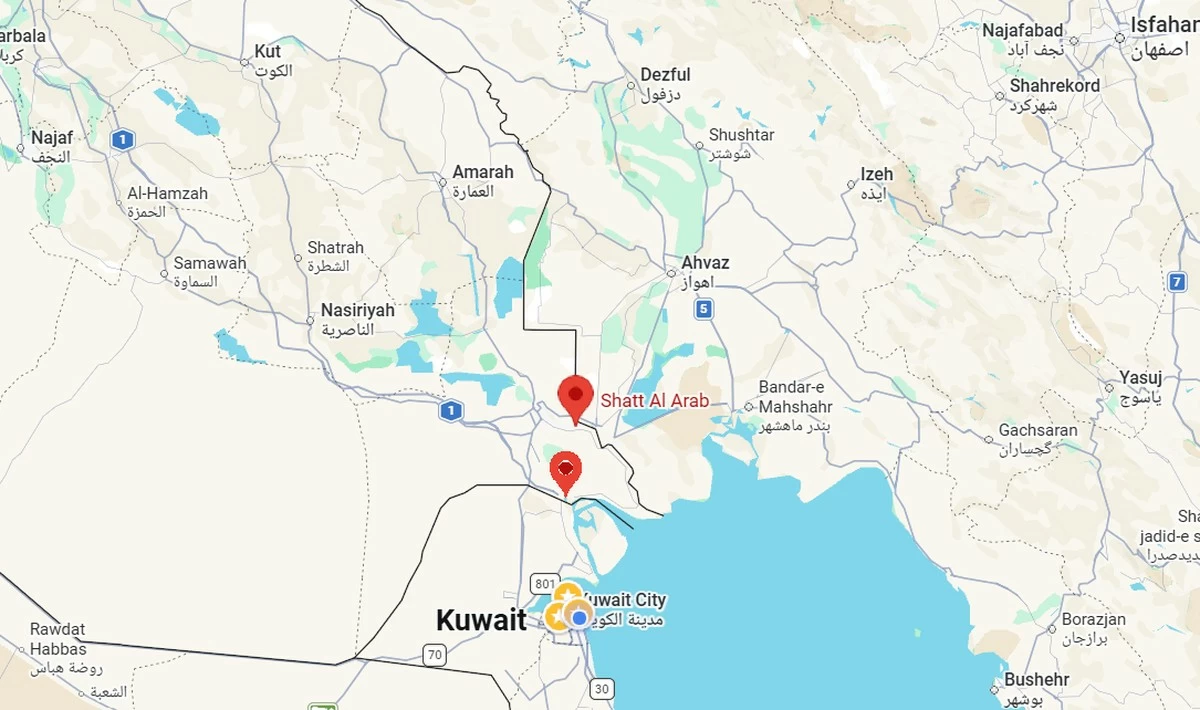
According to sources, some cargoes arriving at Umm Qasr are transported overland through Basra and Iraq’s Shalamcheh border crossing before entering Iran’s Khuzestan province. Others move by water through the Shatt al-Arab waterway toward Iranian ports such as Khorramshahr.
The growing importance of Umm Qasr highlights Tehran’s efforts to diversify supply routes and maintain trade despite mounting pressure on its maritime network. The Iraqi port’s strategic location near southern Iran has made it an attractive alternative for businesses seeking to bypass restrictions affecting traditional shipping lanes.
However, the route is not without risks. Recent regional tensions spilled into Iraqi waters when the Islamic Revolutionary Guard Corps (IRGC) reportedly targeted a commercial vessel near Umm Qasr, claiming it was linked to the United States and Israel. The attack underscored the security challenges facing alternative trade corridors in the Gulf region.
Despite higher costs, longer transit times, and growing security concerns, traders continue to explore new pathways as Iran adapts to one of the most significant disruptions to its maritime trade network in recent years.