


22/03/2026

Share:
22/03/2026
Share:
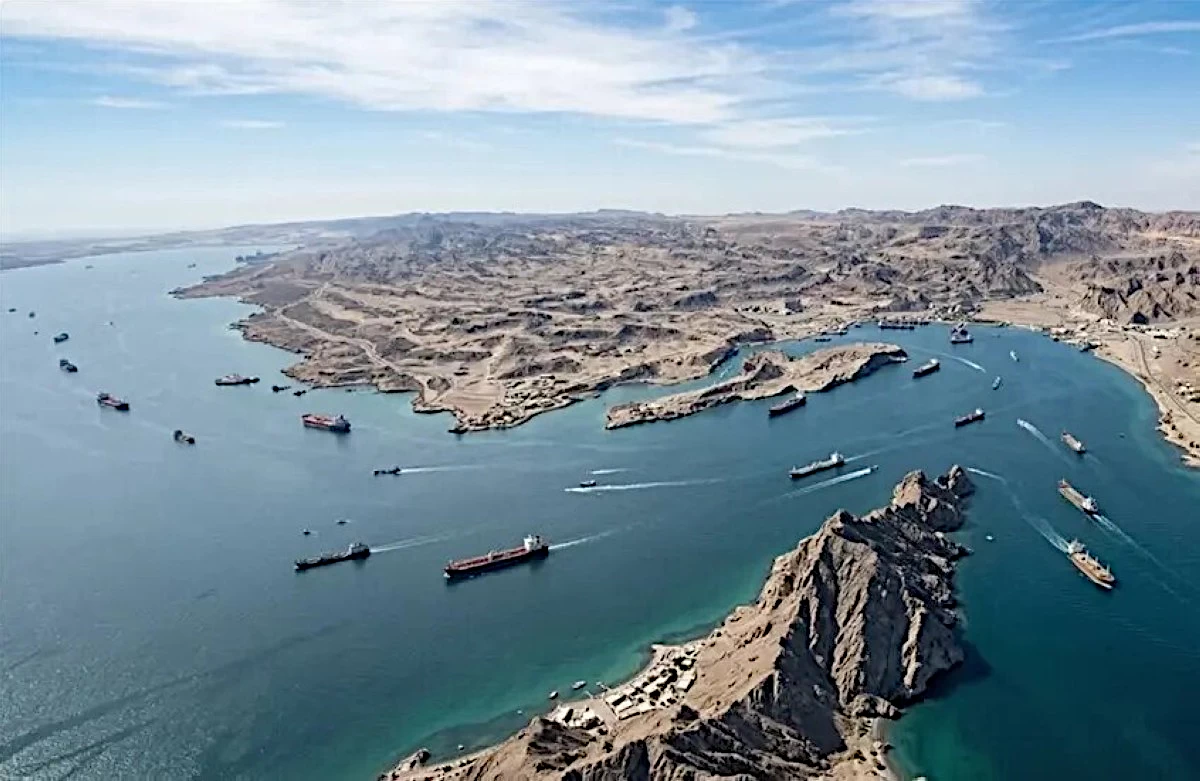

TEHRAN, Mar 22: Iran’s Foreign Minister Abbas Araghchi said maritime traffic through the Strait of Hormuz has been disrupted due to security concerns linked to the U.S.-initiated war, rather than actions by Iran.
In a post on X, Araghchi said insurers are reluctant to cover vessels navigating the route because of heightened risks, arguing that “freedom of navigation cannot exist without freedom of trade,” and warning that continued threats would not influence Iran or global insurers.
In a separate statement, Iran’s Foreign Ministry said vessels and assets linked to the United States and Israel, as well as other parties involved in the conflict, would not qualify for protections, adding that any security arrangements in the Persian Gulf, Strait of Hormuz, and Sea of Oman must be coordinated with Iranian authorities.
Meanwhile, Iranian Parliament Speaker Mohammad Bagher Qalibaf issued a stark warning, saying entities financing the U.S. military — including holders of Treasury bonds — could be considered legitimate targets. “We monitor your portfolios. This is your final notice,” he wrote, echoing previous threats against financial institutions.
At the diplomatic level, Iran has stepped up efforts at the United Nations. According to the state-run Islamic Republic News Agency, Iran’s UN ambassador sent letters to the Security Council and Secretary-General Antonio Guterres, condemning potential attacks on power plants as “inherently indiscriminate and clearly disproportionate.”
The move follows a warning from U.S. President Donald Trump that Washington could strike Iranian power infrastructure if Tehran does not reopen the Strait of Hormuz within 48 hours.
Araghchi also called on the UN Security Council to compel what he described as aggressor states to immediately cease attacks and provide reparations for damage to Iranian nuclear and other facilities, including the Natanz nuclear facility, which was struck again on Saturday.
The Security Council has condemned Iran’s retaliatory strikes on Gulf countries but has not referenced earlier strikes by the United States and Israel, which Tehran says triggered the conflict. Iran has also urged the council to require Israel to place its nuclear facilities under international monitoring, amid longstanding ambiguity over its nuclear capabilities.
The developments highlight escalating tensions across military, economic, and diplomatic fronts, raising concerns about further disruption to global trade and regional stability.