


16/06/2026

Share:
16/06/2026
Share:
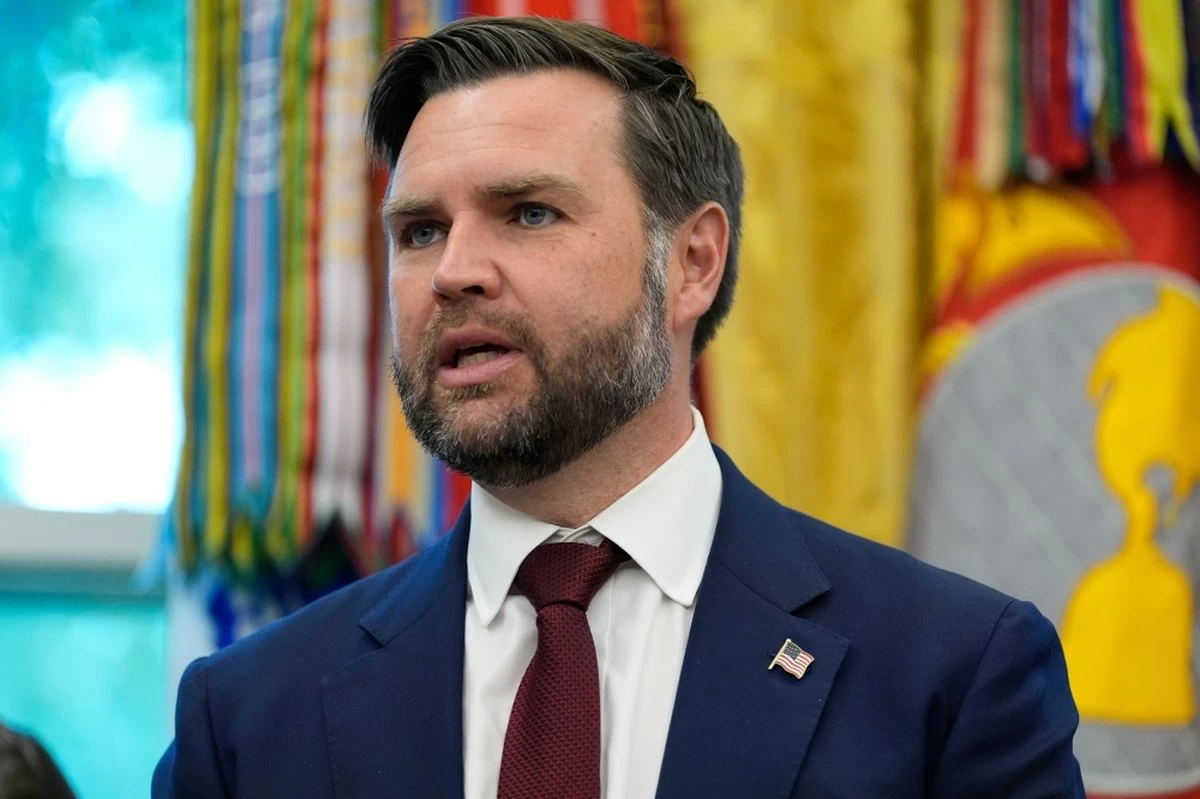

WASHINGTON, Jun 16: US Vice President JD Vance said Iran is agreeing to eliminate its enriched uranium stockpile under the framework of a newly announced US-Iran agreement aimed at ensuring Tehran never obtains a nuclear weapon.
Speaking on Fox News' Hannity on Monday, Vance said the deal includes significant nuclear restrictions and that additional benefits for Iran would depend on further commitments by Tehran.
"They're agreeing right now to eliminate the enriched stockpile. And if they don't get to a point where they agree to stop enriching, then they don't get the other benefits of the bargain," Vance said.
Vance said the agreement is designed to prevent Iran from developing nuclear weapons while creating incentives for compliance through a phased process.
The vice president also rejected reports claiming that Qatar would provide Iran with $300 billion as part of the agreement, saying the United States has not approved any such arrangement.
"There is no $300 billion payment to Iran," Vance said, stressing that the deal does not involve direct US financial transfers to Tehran.
According to Vance, any future economic benefits for Iran would depend on its adherence to the agreement and could involve investment from third countries rather than funding from Washington. He said foreign investment would only be possible if Iran fulfills its commitments under the deal.
Separately, Vance defended President Donald Trump's approach to Iran, arguing that the administration's policy has achieved its primary objective of preventing Tehran from acquiring a nuclear weapon.
In a post on X, Vance praised Trump's handling of the issue and dismissed criticism from opponents of the agreement.
"The President has been clear from day one: Iran will never have a nuclear weapon. Once again, President Trump's efforts to establish peace have paid off for the American people, despite countless attempts to thwart it by people who hate America and President Trump," Vance wrote.
The remarks came as the White House continues to defend the emerging agreement against criticism from both supporters and opponents, with administration officials portraying the framework as a diplomatic breakthrough that would curb Iran's nuclear capabilities while avoiding a broader conflict in the region.
While details of the final agreement have yet to be publicly released, Vance's comments indicate that eliminating Iran's enriched uranium stockpile and preventing future weapons-related nuclear activities remain central pillars of the deal.