


06/06/2026

Share:
06/06/2026
Share:
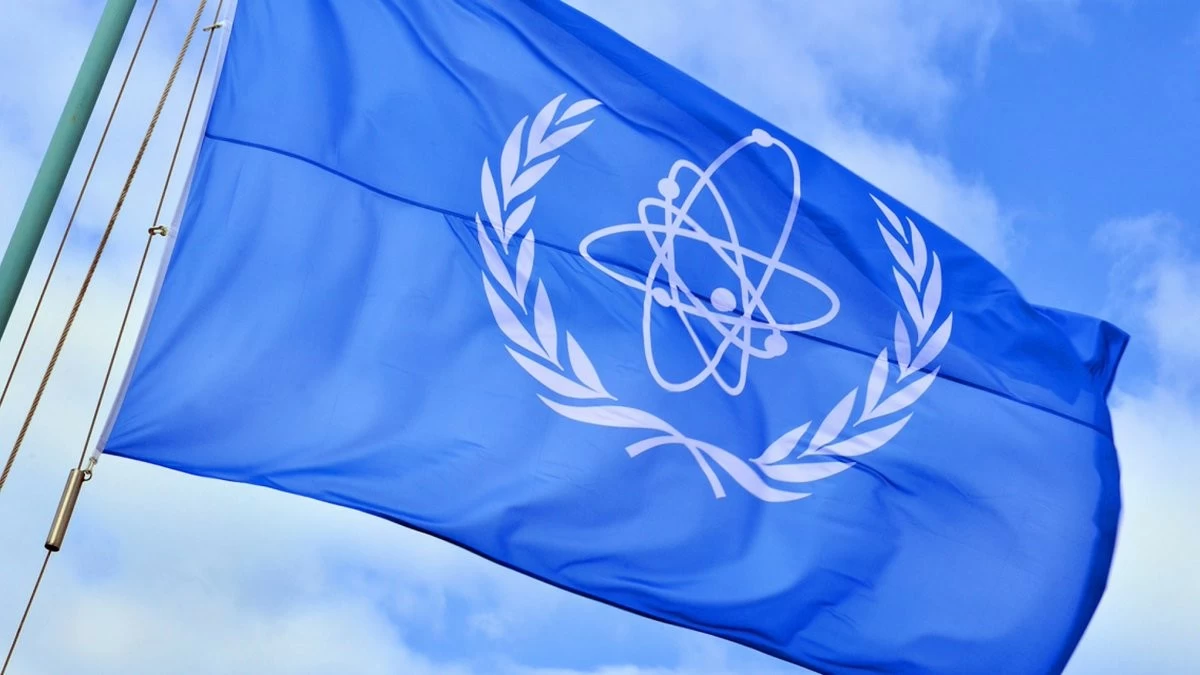

TEHRAN, Jun 6: Iranian Deputy Foreign Minister Kazem Gharibabadi has accused the International Atomic Energy Agency (IAEA) of using the aftermath of US and Israeli strikes on Iranian nuclear facilities to create “ambiguity” about Tehran’s nuclear program.
In a post on X, Gharibabadi referred to a recent IAEA report and comments by Director General Rafael Grossi, arguing that concerns over lack of access to damaged sites, the status of Iran’s uranium stockpile, and what the agency described as a loss of “continuity of knowledge” did not arise “in a vacuum.”
He said safeguarded nuclear facilities in Iran had been targeted in military strikes by the United States and Israel, and criticized the IAEA chief for not condemning those attacks.
Gharibabadi also rejected the agency’s focus on Iran’s stockpile of uranium enriched to 60 percent and hypothetical weapons-related scenarios, arguing that the Nuclear Non-Proliferation Treaty (NPT) does not impose a specific numerical cap on enrichment levels. He stressed that the key legal issue is whether nuclear material is diverted toward military purposes.
Iran maintains that its nuclear program is peaceful, although the IAEA has repeatedly called for greater access to facilities and clarification regarding uranium stockpiles and monitoring gaps.
The Iranian official further said the agency cannot report on the consequences of military strikes, ignore responsibility for those attacks, and then place the technical and political burden on Iran.
“If the agency wants to be part of a diplomatic solution, it must avoid turning technical reports into tools of political pressure,” he wrote.