


27/07/2026

Share:
27/07/2026
Share:
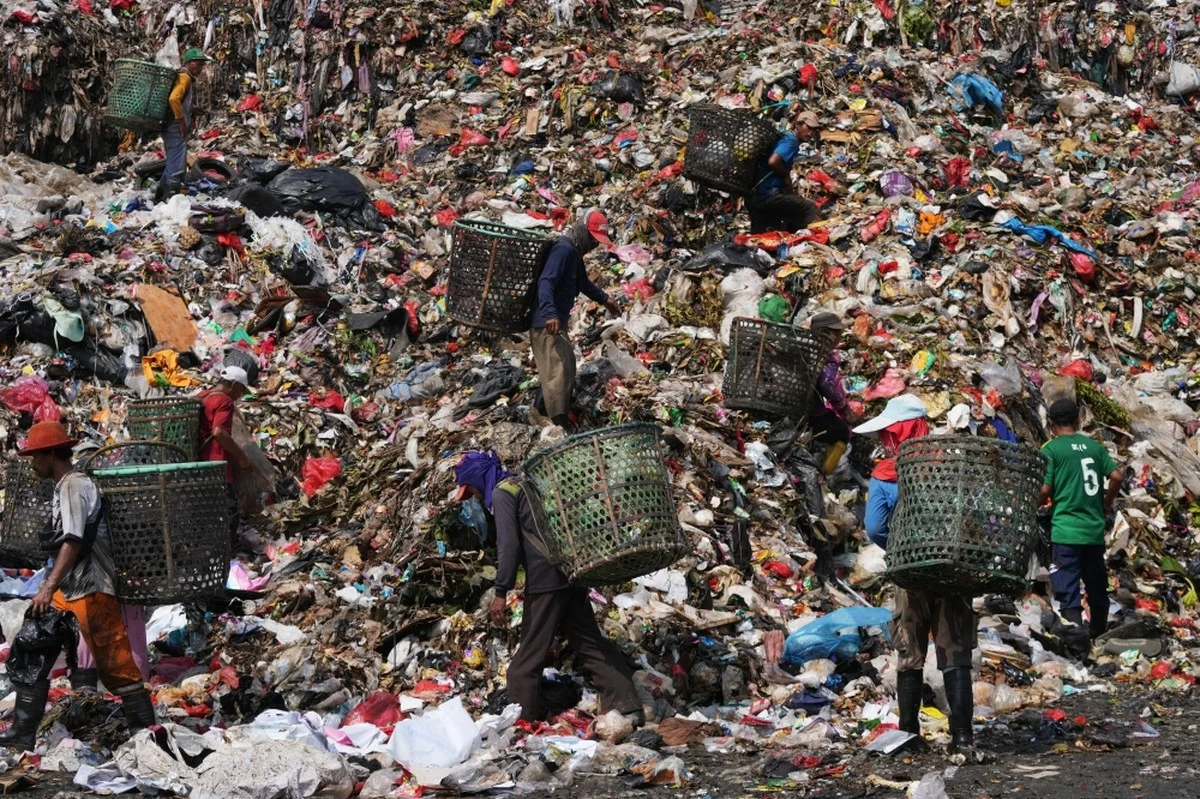

BANTARGEBANG, Indonesia, July 27, (AP): Long before dawn breaks over Indonesia ’s largest landfill, Nur Wencih joins thousands of waste pickers climbing mountains of garbage, searching for anything they can sell. The 35-year-old widow has worked at the site on Jakarta’s eastern edge for two decades, following her parents, who still earn a living there.
The Bantargebang landfill has paid for food and rent while helping her two teenage daughters living with a relative in a rural village. She hopes her daughters will never have to follow the same path. Living alone in a rented room near the landfill, Wencih earns about 200,000 rupiah ($12) on a good day collecting discarded toys, cardboard and plastic bottles before bulldozers bury them beneath fresh waste.
Occasionally, she finds gold jewelry. "It feels like hitting a jackpot,” Wencih said while taking a break from the sweltering July heat. But those lucky finds, and perhaps her livelihood, may soon become far rarer. Beginning Aug. 1, Indonesia plans to start transforming the site from open dumping to a more controlled system as part of a national waste management plan.
The government last month announced it will shut down open-dumping operations at 343 of Indonesia’s 550 disposal sites, requiring them to transition to controlled or sanitary landfill systems and gradually accept only garbage that cannot be recycled or composted, such as diapers, dirty paper towels and stickers.
Meanwhile, residents are being asked to set aside organic waste and recyclables for separate processing, a practice many households have never been taught to do on a large scale. Dudi Gardesi Asikin, head of Jakarta’s Environment Agency, said the policy aims to improve environmental health, reduce pollution and curb emissions of methane generated by decomposing waste.
Methane is responsible for roughly one-third of global warming and traps more heat than carbon dioxide, making it a key focus of worldwide climate efforts. UN Secretary-General António Guterres, for example, is urging governments to sharply reduce methane emissions, calling it one of the fastest ways to slow global warming.
Researchers say Bantargebang emits more methane than nearly any other landfill in the world, placing it at the center of Indonesia’s waste management reforms. Asikin said Bantargebang opened in 1989 as a sanitary landfill equipped to collect methane. Unlike open dumps, sanitary landfills also cover waste with soil.