



02/09/2026

Share:
02/09/2026
Share:

BENGALURU, India, Sept 2, (AP): When India’s power demand surged at the height of summer, the country struggled to meet evening needs as air conditioners ran longer amid hotter nights. Despite this demand, some renewable energy providers were told to limit their output because the country had more clean electricity available than its grid could safely handle.
In the last 15 months, India curtailed nearly 11 terawatt-hours of solar generation - enough electricity to power about 10 million homes, according to government data and research by energy think tank Ember. That solar power went unused even as extreme heat and poor monsoon rains drove up demand for power in India for cooling and pumping groundwater for agriculture.
India, the world’s most populous country and one of the largest emitters of climate-polluting gases, is rapidly adding clean energy, especially solar, to its power mix. However, it can't use all the clean power it could generate because of insufficient transmission and storage capacity and the technical difficulty of shifting between fossil power and renewables.
Energy experts say that contradiction points to the next big challenge for India’s energy transition. Building solar and wind farms is no longer enough. India also needs more transmission lines to move electricity across the country, batteries to store renewable power until it is needed and a more flexible power system that can quickly adjust as wind and solar output rises or falls.
"We’re in a stage where some of the biggest hurdles in renewables are starting to hit us,” said Neshwin Rodrigues, an energy analyst at Ember. India has more than 300 gigawatts of clean power capacity, more than half its total installed electricity capacity. But coal still produces most of the country’s electricity. Experts said the main reason for this is curtailment - when a wind or solar plant could produce electricity but is ordered to reduce or stop generation as the grid cannot take the power.
Rodrigues said that when solar generation surges in the afternoon, it's difficult for coal units to reduce their output because they are relatively inflexible and cannot ramp down quickly without compromising efficiency, increasing costs or risking operational problems. Trying to make thermal power plants flexible and adapt to increasing supply from clean energy sources "is like asking an elephant to dance,” said Vinay Pabba, CEO of Hyderabad-based renewable energy company Vibrant Energy.
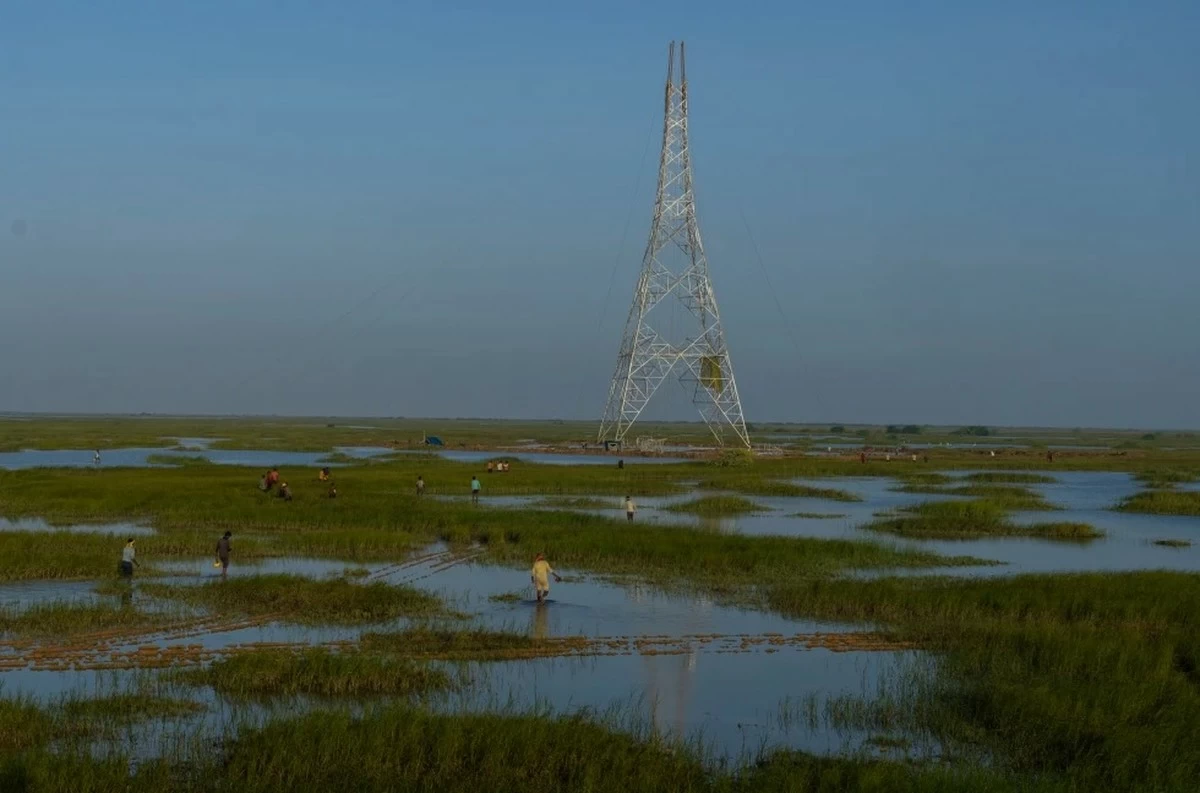
Pabba said curtailment results in losses for clean power developers. "We get paid only for what we put on the grid,” he said. The high concentration of renewable generation in western India has also meant that transmission lines in that part of the country get congested quickly. The western states of Gujarat and Rajasthan account for nearly 50% of India’s solar power capacity.