



13/01/2026

Share:
13/01/2026
Share:
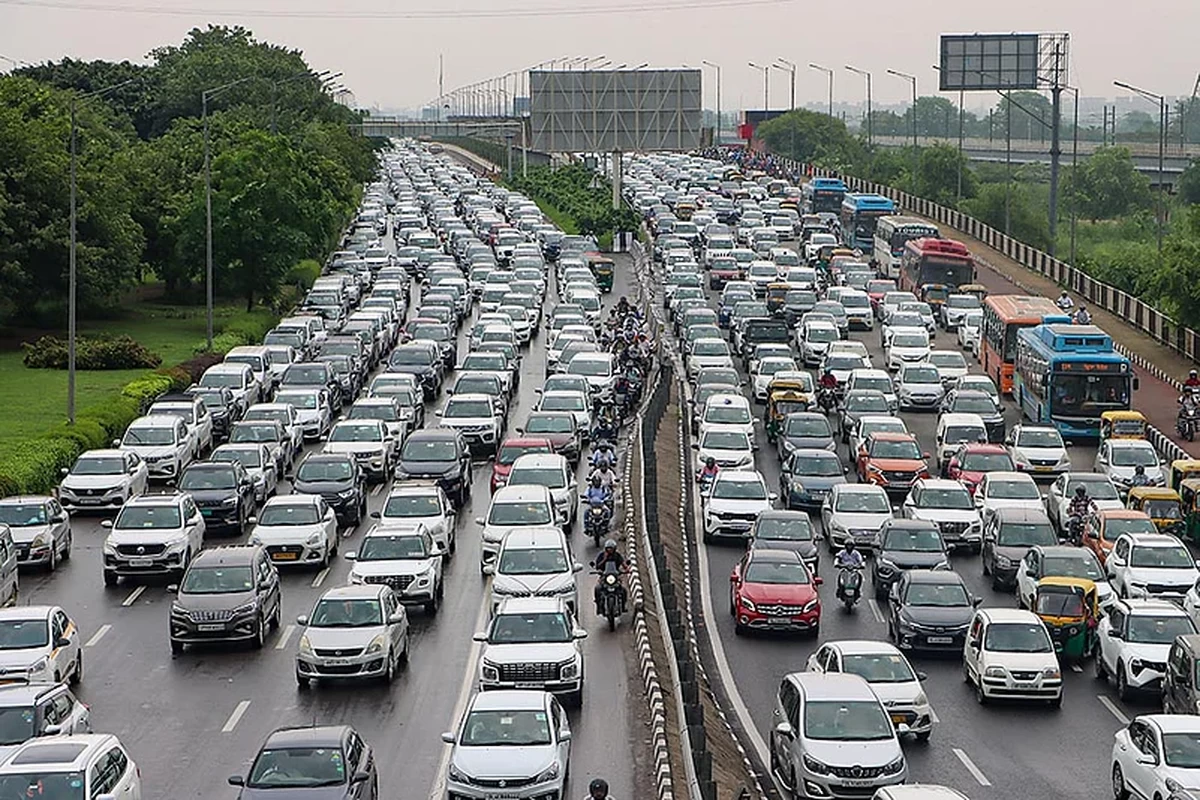

NEW DELHI, Jan 13: India’s traffic systems are on a fast lane, making the roads smarter and fairer. With the Delhi Traffic Police challan system now digitised, over 87,000 e-challans have been issued electronically, reducing errors and human bias. With this digital shift, road discipline is improving and also reshaping trust between drivers and insurers nationwide.
This article explains how the online traffic system is improving transparency in India and is a win for drivers and insurers.
How are Online Traffic Systems Improving Transparency?India’s roads are undergoing a digital transformation, where online traffic systems like e challan MP are redefining how violations are detected, recorded, and penalised. These automated platforms are creating a culture of transparency, fairness, and accountability, providing the following benefits:
1. Automation Reduces Human BiasTraditional traffic enforcement relied heavily on manual monitoring, which often led to inconsistent enforcement and unfair fines. AI-powered cameras and automated sensors that capture violations in real-time, eliminating human intervention and ensuring impartial action. Moreover, each challan is generated based on verifiable digital evidence, minimising scope for dispute or corruption.
2. Real-Time Data and Public AccessOnline traffic systems offer instant updates through web portals and mobile apps. Motorists can easily check their pending fines, view evidence, and make online payments. This promotes transparency, accountability, and greater public confidence in traffic enforcement.
For instance, Chandigarh has installed 2000 AI-enabled cameras to detect traffic violations. Similarly, Bengaluru has installed an Adaptive Traffic Control System (ATCS) at 165 key intersections across the city, including Silk Board Junction, Hebbal Flyover, Marathahalli Bridge, and KR Puram Bridge.
3. Building Trust Between Drivers and AuthoritiesThe transparency of online systems ensures that enforcement is uniform, evidence-based, and open to verification. Moreover, they provide digital receipts, video proof, and transparent processes. These systems are fostering trust between drivers and insurance providers who rely on verified data for claims.
4. Digital Evidence Tracking for Fair EnforcementAnother key way online traffic systems improve transparency is through digital evidence tracking. Every violation captured by smart cameras is time-stamped and stored with photo or video proof, which both drivers and authorities can access online. This ensures that penalties are based on verifiable facts, reducing disputes and reinforcing public confidence in the fairness of traffic enforcement.
Are There Any Challenges to Online Traffic Systems?While online traffic systems have revolutionised road governance and transparency, they are not without challenges. As cities expand their digital enforcement networks, several technical, ethical, and operational hurdles continue to emerge, which we discuss below:
1. Data Accuracy and System ErrorsAutomated cameras and AI detection tools can sometimes misread number plates or register false violations. Furthermore, poor lighting, unclear plates, or sensor malfunctions may result in incorrect challans being issued. Such errors not only frustrate law-abiding drivers but also undermine trust in digital enforcement systems.
2. Privacy and Data Protection ConcernsWith millions of vehicle and driver records stored online, safeguarding personal information has become critical. The risk of data breaches, unauthorised access, or misuse of surveillance footage raises significant privacy concerns. Without robust cybersecurity measures and clear legal frameworks, public confidence in digital policing could erode.
3. Limited Awareness and AccessibilityIn several regions, motorists are still unaware of how to check or contest digital challans. Limited internet access, particularly in rural areas, can prevent drivers from engaging with online systems effectively.
For instance, an ambitious project of installing the Integrated Traffic Management System (ITMS) in Guwahati, worth ₹80 crores, failed. This was due to a lack of research regarding the traffic flow within the city.
4. Risk ofSystem OverloadAs more vehicles and violations accumulate, online traffic systems can experience server overloads, slow processing, or occasional downtime. Technical glitches may delay challan generation, payment processing, or access to violation records. This causes inconvenience to drivers and administrative backlogs for authorities.
Is Online Traffic Systems Really a Win for Drivers and Insurers?Online traffic systems are proving to be a true win for both drivers and insurers. For drivers, platforms like e-challans provide instant notifications, clear evidence, and fair enforcement without human bias. They can easily verify penalties, enhancing trust and accountability.
For insurers, digital traffic records offer reliable data to assess risk, verify accident claims, and detect fraud. Together, these systems promote transparency, safety, and efficiency. It creates a more data-driven and equitable ecosystem for India’s growing network of road users and insurance providers alike.
Final ThoughtsOnline traffic systems are transforming road governance, bringing transparency, fairness, and accountability to both drivers and insurers. While challenges like technical errors, privacy concerns, and accessibility issues persist, the benefits outweigh the drawbacks. Therefore, these systems can create safer, more trustworthy roads, making digital traffic management a true win-win for all stakeholders.