



02/04/2026

Share:
02/04/2026
Share:
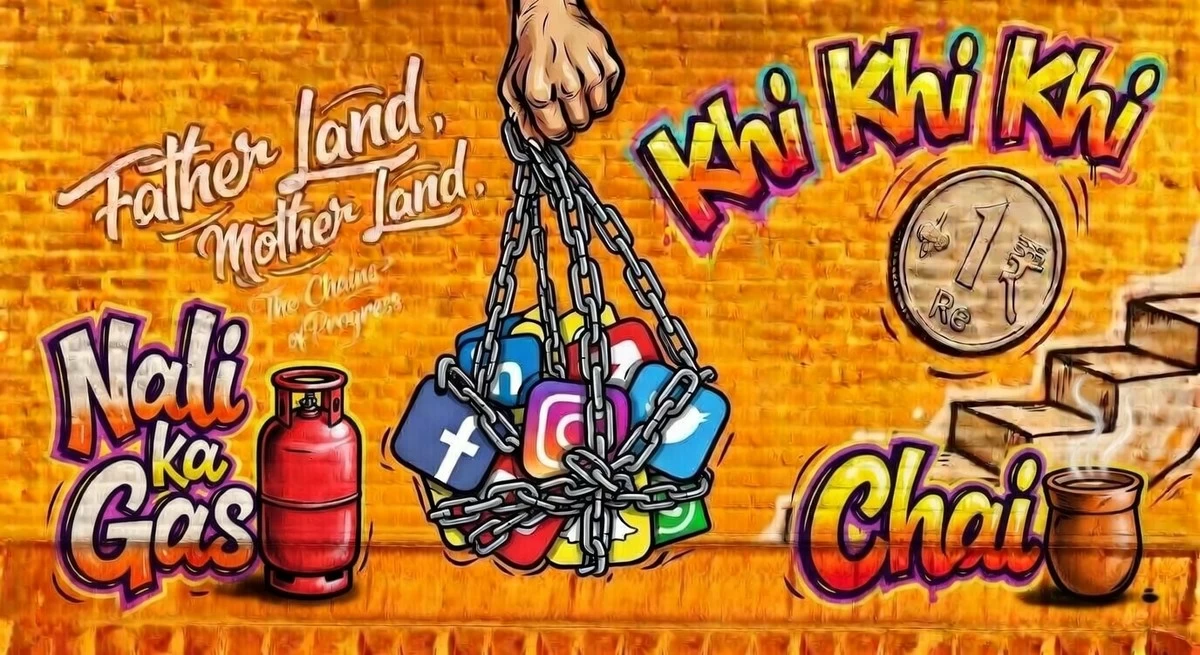

Journalists, news outlets, satirists, and cartoonists are among the many individuals increasingly affected by India’s tightening digital censorship laws. Critics argue that a new set of rules will further expand executive control over the internet, reflecting a broader shift toward growing digital authoritarianism.
NEW DELHI, Apr 2: The Indian government under Prime Minister Narendra Modi is facing renewed criticism over what rights groups describe as an expanding system of online censorship and tighter control over digital speech.
In recent weeks, multiple social media accounts and posts have been blocked in India following what authorities have termed “legal demands” issued by the Ministry of Electronics and Information Technology. No detailed explanations have been provided for many of these takedown requests. Users have reported widespread restrictions, with one post on X claiming that “every tenth post” appears to be affected.
A significant number of the blocked accounts reportedly belong to journalists, activists, news organizations, and independent commentators who have been critical of the government. Satirical content has also been targeted, including posts by comedians, cartoonists, and writers. Among them was a viral video by comedian Pulkit Mani, which mocked Prime Minister Modi’s diplomatic engagements and portrayed politically sensitive imagery that drew government scrutiny.
Analysts suggest that growing online criticism of the government’s foreign policy positions, including its response to recent tensions in the Middle East and related domestic economic concerns, may have contributed to the surge in meme-driven political commentary and subsequent content removals.
At the same time, India has introduced new amendments to its digital regulatory framework that experts say could significantly expand government authority over online content. On March 30, the Ministry of Electronics and Information Technology published changes to the Information Technology Act, 2021, which would decentralize takedown powers across multiple ministries, including Defence, Home Affairs, External Affairs, and Information and Broadcasting. Previously, such authority was largely centralized under the IT Ministry.
Rights advocates warn that the changes could accelerate content removal processes and reduce oversight. Under the proposed rules, platforms may be required to remove flagged content within as little as two to three hours, often without prior notice to users.
Digital rights experts argue that such short deadlines make meaningful review nearly impossible, increasing the likelihood that lawful content—including journalism, analysis, and satire—could be removed alongside genuinely harmful material.
Prateek Waghre, a digital rights researcher and former executive director of the Internet Freedom Foundation, said the expanded scope of the rules raises concerns about the ability to target news and political commentary. He noted that while the government describes the amendments as “procedural,” they carry enforceable legal weight.
Similarly, journalist and MediaNama founder Nikhil Pahwa criticized the lack of transparency in the content moderation process, saying there is no public disclosure of which ministry orders removals or on what basis decisions are made.
India has previously faced international scrutiny over digital content restrictions. During heightened tensions with Pakistan last year, authorities reportedly ordered the blocking of more than 2,300 accounts on the social media platform X, including international media outlets. Transparency reports also indicate that tens of thousands of URLs were restricted in 2024, along with multiple internet shutdowns during periods of unrest.
Civil liberties groups argue that the new framework further entrenches what they describe as a growing “infrastructure of censorship,” where regulatory powers are gradually dispersed across institutions with limited transparency or accountability.
Critics also warn that the inclusion of social media influencers, independent creators, and streaming platforms under stricter oversight could bring them under regulations previously applied mainly to traditional media, significantly narrowing the space for independent expression online.
Rights advocates are calling for a rollback of the new measures, warning that they risk undermining freedom of expression in one of the world’s largest digital populations. However, officials are expected to implement the changes within the coming weeks as part of a broader push to tighten digital governance.
Experts say the evolving regulatory environment reflects a broader shift in how the Indian state views the internet—not primarily as a space for free expression, but increasingly as infrastructure subject to centralized control.